Do Solar Panels Have to Be Installed Carefully to Match the Roof Tilt?

Yes, the tilt of a roof plays a significant role in the performance of solar panels, and careful installation is essential to maximize energy production. The angle at which panels are mounted affects how much sunlight they receive throughout the day and across seasons, which directly impacts the overall efficiency of the system.

adjustable solar tilt mount

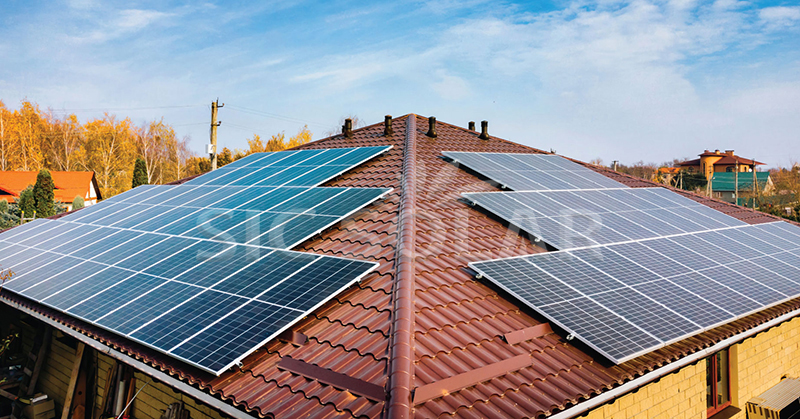
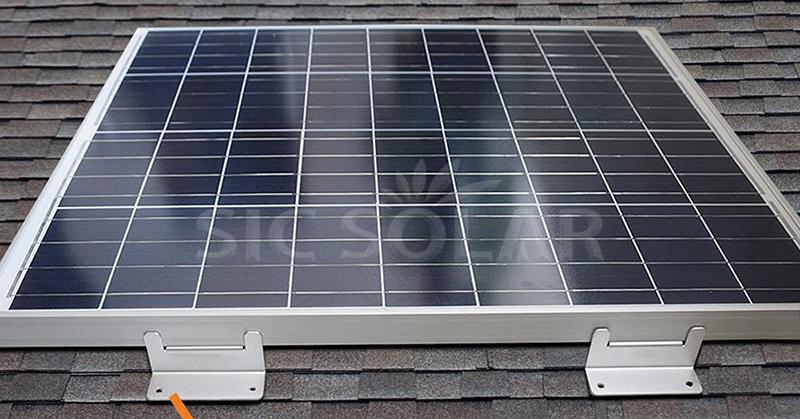
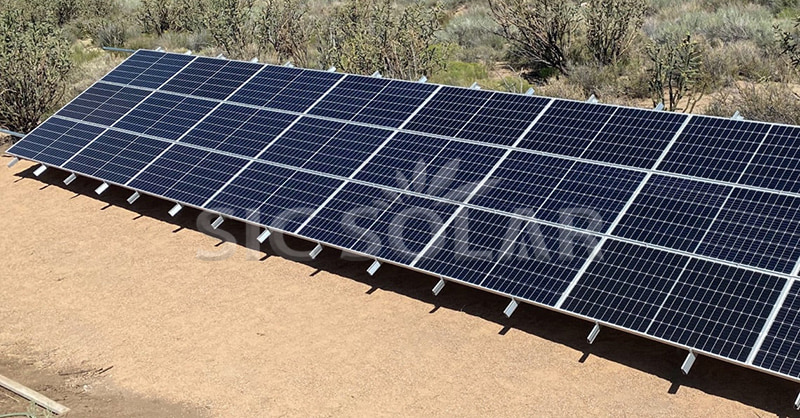
For pitched roofs, solar panels are often installed following the natural slope of the roof. If the roof tilt is close to the optimal angle for the location’s latitude, panels can be mounted directly using flush mounts or roof hooks. However, if the roof angle is too shallow or too steep, the installation may require adjustable tilt brackets to ensure panels face the sun effectively. Proper alignment ensures panels capture maximum sunlight while avoiding unnecessary shading between rows of panels.

Flat or low-pitch roofs require extra attention. Since these roofs do not have a natural angle, panels are mounted on tilt frames or ballasted systems to achieve the desired slope, usually between 10° and 30°. These mounts not only improve energy generation but also allow rainwater to run off, reducing debris accumulation and keeping panels clean. Manufacturers like SIC Solar, known for producing high-quality photovoltaic mounting systems, provide tilt solutions for both pitched and flat roofs. Their systems are designed for easy adjustment, stability, and long-term durability, making installation safer and more efficient.

Properly considering roof tilt also helps with wind resistance. Panels installed at an improper angle may experience higher uplift forces during storms, which can damage both the panels and the roof. High-quality mounting systems are engineered to distribute weight evenly and withstand wind loads, ensuring safety even in harsh weather conditions.

Another advantage of careful tilt installation is seasonal optimization. Some installations allow minor adjustments to the tilt throughout the year. In winter, a steeper angle helps capture sunlight when the sun is lower in the sky. In summer, a shallower tilt prevents overheating and maintains optimal efficiency.

Roof tilt also affects aesthetics and space usage. Panels aligned neatly with the roof slope look more integrated and can prevent shading of adjacent modules, maximizing usable area. Cable management and grounding must also be carefully planned to match the panel layout and maintain safety standards.

While the tilt of the roof is important, selecting a reliable and well-designed mounting system ensures that panels are installed securely and positioned for optimal performance. Companies like SIC Solar produce mounting solutions that adapt to various roof angles and materials, including tile, metal, and asphalt shingle roofs. Their systems simplify installation while maintaining durability and energy efficiency, ensuring that panels remain stable and productive for years.

Careful installation that considers roof tilt is essential for long-term solar performance, safety, and efficiency, making high-quality mounting solutions a critical part of any solar project.

Is Balcony Solar Worth It?

Balcony solar systems, also known as balcony power plants or plug-in solar kits, are becoming increasingly popular among apartment residents and city dwellers who don’t have access to a roof. These compact systems allow users to generate their own clean electricity right from their balconies. But the question many ask is — is balcony solar really worth it?

solar easy bracket balcony railing hook

In simple terms, yes, balcony solar can be worth it under the right conditions. These systems consist of one or two small photovoltaic panels mounted on a balcony railing or wall, connected to a microinverter and plugged directly into a home socket. The generated energy powers nearby appliances, reducing your electricity bills and your dependence on the grid.

The main advantage of balcony solar lies in its accessibility. Unlike traditional rooftop installations, there’s no need for major construction or professional installation. Many systems can be mounted easily using adjustable brackets or clamps designed specifically for balconies. Manufacturers such as SIC Solar, which produces high-quality photovoltaic mounting systems, offer reliable and easy-to-install solutions for these small-scale applications. Their brackets ensure stable installation even in limited spaces and under various weather conditions.

Another benefit is energy independence. While a balcony system cannot power an entire home, it can offset a portion of daily electricity use — running lights, chargers, or small appliances. Over time, these savings can add up, especially in regions with high electricity prices or incentives for distributed solar energy.

However, there are limitations. Space and sunlight exposure are the biggest factors. Balconies facing south with few obstructions are ideal, while shaded or north-facing balconies may see significantly lower output. Additionally, local regulations in some areas require permission from building management or energy authorities before installation.

Durability and safety are also important considerations. The mounting structure must be strong enough to withstand wind, rain, and vibration. This is where robust brackets from companies like SIC Solar play a key role. Their systems are made from corrosion-resistant materials and tested for long-term outdoor use, ensuring both safety and stability.

Balcony solar may not replace a full-sized rooftop system, but it offers a practical entry point into renewable energy for those living in apartments. It allows individuals to contribute to sustainability efforts, reduce power costs, and gain a sense of energy control — all from their own balconies.

What Is a Ballasted Mounting System?

A ballasted mounting system is a type of solar installation method commonly used on flat roofs where penetrating the roof surface is not preferred or not allowed. Instead of using bolts or anchors to secure the structure, this system relies on weight—usually concrete blocks—to hold the solar array firmly in place. The added weight provides stability against wind uplift and other external forces, making it an ideal solution for many commercial and industrial buildings.

ballasted solar system

One of the main advantages of ballasted systems is that they protect the integrity of the roof. Because they require no drilling, there is no risk of leaks or damage to the waterproof membrane. This makes them especially suitable for older roofs or buildings with strict roofing warranties. Installers can position the mounts without interfering with roofing materials, reducing both installation time and structural concerns.

Ballasted mounting systems are also known for their flexibility. They can be arranged in different configurations depending on the available roof space, orientation, and shading conditions. Many designs use low-tilt angles, often between 5° and 15°, to reduce wind resistance while still capturing sufficient sunlight. Modern aerodynamic designs further minimize the amount of ballast needed, making the overall system lighter and easier to install.

Manufacturers such as SIC Solar, a company specializing in the production and sale of photovoltaic mounting systems, offer ballasted solutions engineered for durability and ease of construction. Their structures are typically made from corrosion-resistant aluminum and galvanized steel, ensuring long-term performance even in harsh weather conditions. These systems are designed to distribute weight evenly across the roof, helping prevent pressure points that could damage the surface.

Ballasted mounts also simplify maintenance and system expansion. Since components are not permanently fixed to the roof, panels can be repositioned or replaced without repairing holes or penetrations. This flexibility benefits building owners who may plan future upgrades or rooftop renovations.

Another important feature is their reduced labor requirement. Because the installation process avoids drilling and complex waterproofing steps, crews can complete the job more quickly. Pre-assembled brackets and modular designs further streamline setup, allowing installers to cover large rooftop areas efficiently.

While ballasted systems offer many benefits, they must be properly engineered to ensure that the roof can support the additional weight. Structural assessments are essential before installation, especially for older buildings. Wind exposure, roof slope, and local climate conditions also influence the required amount of ballast.

Overall, ballasted mounting systems provide a practical and roof-friendly option for flat-roof solar projects. With the support of reliable manufacturers like SIC Solar, these systems offer stability, long service life, and design flexibility for a wide range of solar installations.

What Roof Pitch Is Best for Solar?

When planning a rooftop solar installation, one of the most important factors to consider is the roof pitch, or the angle of the roof. The tilt of the panels directly affects how much sunlight they capture, influencing overall system performance. While solar can be installed on many types of roofs, certain pitches naturally offer better energy production and easier installation.

pitched roof installation

For most locations in the world, the ideal roof pitch for solar panels ranges from 25° to 35°. This angle typically aligns well with the sun’s path, allowing panels to produce steady, efficient power throughout the year. A roof within this range also reduces the need for additional mounting equipment, which keeps both installation time and costs down.

However, solar is not limited to this ideal range. Roofs with pitches between 15° and 40° can also support highly effective systems. Shallow roofs at the lower end may require specialized racking to increase the panel tilt slightly, especially in areas with less intense sunlight. Steep roofs, meanwhile, may capture great winter sun but require additional safety measures during installation.

This is where reliable mounting solutions play a crucial role. Companies like SIC Solar, known for producing and selling photovoltaic mounting systems, offer versatile brackets, rails, and roof hooks designed to adapt panels to different roof angles. With adjustable mounts, installers can fine-tune the tilt to achieve better solar exposure even on roofs that are not naturally optimal.

Flat roofs present a different situation altogether. Because they have little to no pitch, installers typically use tilted racking systems, often set between 10° and 15°. These low angles help balance energy production with wind resistance. Ballasted designs are especially popular on commercial buildings because they avoid roof penetrations and provide stable support.

Local climate is another key factor in determining the best pitch. In regions with heavy snowfall, steeper roofs (around 35° to 45°) help snow slide off more easily, preventing buildup that reduces power generation. In hotter climates closer to the equator, a lower tilt may be more effective since the sun sits higher in the sky.

Even if your roof pitch is not the “ideal” angle, modern mounting systems and engineering allow solar panels to be adjusted for maximum efficiency. With the right setup, almost any roof can become a productive solar energy platform. Reliable suppliers like SIC Solar make it easier for installers and homeowners to achieve optimal performance through durable, flexible mounting designs tailored to a wide variety of roof structures.

2026 MG5 Export Deep Dive Why This Sub-$9,000 Fastback Sedan Is Breaking Dealer Records in 2025 (Sinovcle Exclusive)

Hello everyone, this is Crescent, the SEO & Content Lead at Sinovcle Global. In the past 45 days the 2026 MG5 has become our #2 most-enquired vehicle — second only to the MG Cyberster. Dealers from Iraq to Nigeria to Peru keep asking the same question: “How can a car that looks and feels this premium cost so little?”

Today we put the full 2026 MG5 lineup under the microscope, with real warehouse photos and the factory doesn’t even show on their own site. If you’re looking for the highest-margin sedan under $10k FOB China right now, read to the end.


Exterior: Fastback Looks That Sell Themselves

The 2026 redesign is pure showroom magnet:

  • Ultra-low fastback roofline + frameless doors (standard across ALL trims)
  • Matrix LED headlights and full-width LED taillights
  • 17-inch two-tone alloys (18-inch on Flagship Max)
  • Aggressive front grille with active shutters for better aero

Real feedback from a Jordanian client last week: “I put one in the showroom and sold three units the same day — customers thought it was a €35,000 European car.”

Interior: Feels Two Classes Above Its Price

Open the door and the wow factor continues:

  • Dual 12.3-inch screens (instrument + floating infotainment) – standard on every single variant
  • 256-color ambient lighting + orange/black two-tone interior
  • Soft-touch materials everywhere, perforated synthetic leather seats
  • 8-speaker premium audio (Yamaha-tuned on higher trims)
  • Panoramic sunroof on Luxury & Flagship Max

A dealer in Algeria sent us a video of a customer sitting inside and saying “This feels like a BMW 3 Series inside — are you sure about the price?”

Powertrain Choices: Something for Every Market


Variant Engine Transmission Power 0-100 km/h Combined Fuel Approx. FOB China (USD)
180DVVT Global First Edition 1.5L NA 120 hp Simulated 8-speed CVT 120 hp ~11 s ~5.9 L/100 km From ~$7,800
180DVVT Global Luxury Edition 1.5L NA 120 hp Simulated 8-speed CVT 120 hp ~11 s ~5.9 L/100 km ~$8,300–$8,700
300TGI Global Flagship Edition 1.5T 181 hp 7-speed wet DCT 181 hp ~8 s ~6.4 L/100 km ~$9,300–$9,800
300TGI Global Flagship Max 1.5T 181 hp 7-speed wet DCT 181 hp ~8 s ~6.4 L/100 km ~$10,200–$10,800
 

The 1.5T + DCT combination is brutally quick for the price — Middle East clients say it feels faster than the old Civic 1.5T.

Safety & Driver Assistance: L2-Level as Standard on Higher Trims

  • 6 airbags + 360° panoramic camera on every model
  • Adaptive Cruise Control, Lane Keep Assist, Automatic Emergency Braking on Flagship models Perfect for markets with challenging road conditions.

Why Dealers Are Stocking Up Right Now

  1. Insane margins — land in most markets at $13k–$16k and still look premium
  2. Immediate availability — we have 400+ units in stock ready to ship
  3. Full export package inspection, customs, shipping, and destination-port clearance handled by Sinovcle
  4. Proven demand the 2025 model already topped sedan sales in several African countries


Final Verdict

The 2026 MG5 isn’t just “good value — it’s a category killer. Put one next to a Corolla or old Civic in your showroom and watch which car customers actually buy.

Want the latest price list + full option sheet + 50+ exclusive warehouse photos? Click here → Or WhatsApp/Email us directly — first 20 orders this month get free spare parts package worth $800.

Next article: “Real-world fuel economy & spare parts availability of the 2026 MG5 in Middle East vs Africa” — tell me in the comments which market you want tested!

— Sinovcle Content Team Specializing in Chinese vehicle parallel export since 2020.

Azerbaijan Used Car Market 2025 Import Trends, Regulations, and Opportunities

Azerbaijan’s automotive sector has been booming in recent years — and much of that growth is fueled by used car imports. With a relatively limited manufacturing base, the country relies heavily on vehicle imports to meet domestic demand. As a result, its used car market has become one of the most dynamic in the Caucasus region.

Strong Demand Drives Growth

The demand for cars in Azerbaijan continues to rise alongside economic development and improved living standards. Public data shows that as early as 2019, the annual used car transaction volume reached 300,000 units. By 2024, used vehicles accounted for over 80% of all imported cars. Between January and July 2025, Azerbaijan imported 63,401 vehicles, highlighting consistent growth in demand — and presenting a strong opportunity for Chinese car exporters to enter this expanding market.

Political and Economic Context

Azerbaijan is a presidential republic, with Ilham Aliyev serving as the current president. The unicameral National Assembly consists of 125 members elected for five-year terms; the current 7th National Assembly was elected in September 2024, with Sahiba Gafarova as Speaker. Economically, Azerbaijan remains heavily reliant on its oil and gas industry, the backbone of its GDP. In 2024, the country’s GDP reached USD 74.2 billion, marking a 41% year-on-year increase. The nation holds 4 billion tons of proven oil reserves and 2.55 trillion cubic meters of natural gas, making it a key energy producer in the region.

Vehicle Import Regulations

To ensure safety and environmental standards, Azerbaijan enforces the following rules for vehicle imports:

  • Only left-hand-drive vehicles are permitted on public roads.

  • Tinted windows are prohibited.

  • Used cars must be less than 10 years old.

  • Vehicles must be equipped with ABS and at least one airbag.

  • Must meet Euro IV emissions standards.

Taxation and Incentives

Azerbaijan applies import duties and taxes based on vehicle type and engine displacement:

  • Fuel vehicles: Subject to customs duty (15% in 2025), excise tax, and 18% VAT.

  • Electric vehicles: Fully exempt from import duties since January 1, 2019, to encourage green mobility.

  • Older vehicles: Used cars older than 10 years, or vehicles manufactured more than 4 years ago, are subject to additional recycling (scrap) taxes during the safety inspection stage.


Outlook: A Promising Destination for Chinese Used Cars

With a growing economy, improving infrastructure, and robust consumer appetite for affordable vehicles, Azerbaijan represents an emerging high-potential market for Chinese used car exporters.

Demand for reliable, cost-effective vehicles — especially compliant with Euro IV standards — continues to rise, making now the ideal time for exporters to expand their presence in this market.

Benin’s Cotonou Port A Hub for West Africa’s Used Car Trade

Benin’s Cotonou Port is now a strategic gateway for West Africa’s used car trade. With rising demand, liberal import policies, and new China-Benin customs facilitation, opportunities for exporters are growing. Chinese brands are gaining ground alongside Toyota and Honda, while supporting industries — from repair to finance — make Benin an attractive hub for re-export to Nigeria and beyond.


? Market Scale & Demand
Cotonou is one of West Africa’s largest used car gateways. Around 25,000 vehicles arrive every month, with 80–90% re-exported to Nigeria and neighboring countries. From 2010 to 2024, Benin’s vehicle imports grew from 200,000 to 314,000 units. High new car prices keep demand strong for affordable used cars, and rising incomes are further boosting sales.


? Policy Environment
Benin imposes no age restrictions on imported used cars, offering a liberal trade policy. Since August 1, 2025, a new China-Benin customs policy grants compliant companies faster document clearance and fewer inspections — a big advantage for Chinese exporters. However, a potential ECOWAS unified tariff may challenge Benin’s pricing edge.


? Competition
Brands like Toyota and Honda dominate with proven durability and easy access to parts. But Chinese brands such as Geely and Wuling are gaining traction with their value-for-money appeal. SUVs and pickups remain strong sellers.


⚓ Re-export Advantage
Thanks to its strategic location and relaxed policies, Benin has become the transit hub for Nigeria, where high tariffs and a ban on cars older than 10 years make direct imports less attractive.


? Supporting Services
Benin has built a full ecosystem — from repair shops and spare parts markets to car care centers. Skilled mechanics handle European and Asian vehicles with ease. Banks and financial institutions also provide special trade finance solutions for car dealers.


? What do you see as the biggest growth driver in West Africa’s auto market?

Brazil Electric Vehicle Market Insights Policies, Demand, and Challenges

Brazil's electric vehicle (EV) market is entering a new growth phase, fueled by government incentives, rising consumer awareness, and expanding charging infrastructure. As Latin America's largest automotive market, Brazil is becoming a key player in the global EV transition, offering significant opportunities for automakers, investors, and green technology providers. 

Brazilian Automobile Overview

Brazilian Electric Vehicle Policy
  • Import Tax Policy
    • Year of 2024: 0% for within the quota and 10% for the excess;
    • Year of 2025: 0% for within the quota and 18% for the excess;
    • Year of 2026: 35% as estimated, same as internal combustion engine vehicles;
  • Encourage the Local Production
    • The MoVer program focuses on green transportation and innovation, offering tax exemptions, such as reductions in the Industrial Products Tax (IPI), to companies producing electric vehicles in Brazil that meet energy efficiency and technological innovation standards. For example, manufacturers that invest in research and development receive additional benefits, thereby promoting the development of local supply chains. With companies like Stellantis and BYD announcing expansion plans, this policy appears to be gaining traction, but its effectiveness depends on investments in infrastructure and a skilled workforce.
  • Tax Relief
    • At the federal level, electric vehicles are exempt from the Industrial Product Tax, Goods and Services Tax, significantly reducing their purchase cost. These incentives are part of a strategy to make electric vehicles more widely available, particularly in a market where prices remain high due to reliance on imports. However, since the ICMS is a state tax, not all states offer a full exemption, so the effectiveness of these incentives may vary from state to state.
  • Charging Station Construction
    • Proposed requirement for gas stations to be equipped with electric vehicle chargers.

Current Status of Electric Vehicles in Brazil

  • PHEV sales are booming, while BEV sales are stagnant. (Unit: Pieces)

  • Top 10 HEV sales in Brazil


  • HEV Brand Sales in Brazil --- Great Wall Motor and Chery entered the top five. 

  • Tram Sales Distribution by Region in Brazil --- The southern becomes the main force in electrification.
    • Pure electric vehicles are highly concentrated in the southeast, with São Paulo accounting for 40%;

    • Plug-in hybrid vehicle sales are more balanced, with the share of the Midwest and South increasing. 

    • HEV becomes the most balanced new energy vehicle.

Overview of Charging Station in Brazil --- Charging facilities are uneven between the north and the south. 

  • The number of charging piles surged in early 2024 and doubled. 


China’s Used Cars Boom in Iraq Imports Surge 80% in 2025

In the first half of 2025, Iraq’s used car market experienced explosive growth — and Chinese vehicles are stealing the spotlight.


According to public data, Iraq imported over 180,000 used vehicles from China in just six months, nearly an 80% surge compared with around 100,000 units during the same period in 2024.


This rapid rise has not only reshaped Iraq’s automotive market but also shaken the long-standing dominance of Japanese brands. Reports even suggest that Toyota has formally appealed to the Iraqi government to restrict the import of Chinese used cars over five years old — a move highlighting how fast the market landscape is changing.


Policy Boost: Zero Tariffs Create a Game-Changer

The surge of Chinese used cars in Iraq is no coincidence. It’s the result of multiple driving forces — policy incentives, product adaptability, and price competitiveness.


Under the China–Iraq Free Trade Agreement, Chinese vehicles now enjoy zero import tariffs, significantly lowering export costs. In contrast, Japanese used cars face 15%–20% import duties plus higher transportation expenses.


This difference gives Chinese used cars a clear pricing edge — on average, 15%–25% cheaper than comparable Japanese models — directly appealing to Iraq’s cost-sensitive buyers who seek value-for-money vehicles.


However, importers must still pay 12% VAT and obtain a Ministry of Commerce import license, which requires certification by the Iraqi Embassy in China.


Products Built for the Middle East Climate

China’s automakers have carefully adapted to the harsh Middle Eastern environment — and that has made a difference.
Iraq’s climate features scorching heat (often exceeding 45°C) and frequent sandstorms, putting vehicles’ cooling systems and durability to the test.


Popular models such as the Haval H6, BYD F3, and Geely Emgrand have been engineered with:

  • High-performance A/C systems for quick cooling,

  • Dust-resistant materials and components, and

  • Heat-tolerant wiring and chassis designs for extended lifespan.


Additionally, white vehicles — favored by Iraqi consumers for staying cooler and appearing cleaner — make up over 60% of Chinese used car exports to Iraq.


Market Demand: A Nation of Drivers

Iraq’s car ownership has surpassed 8 million vehicles, with over 2.5 million concentrated in Baghdad alone — even though the city’s road network was designed for just 300,000 cars.


Public transport remains limited due to post-war reconstruction challenges, pushing residents to rely heavily on private cars. With a GDP per capita of around USD 5,600, affordability is a key factor — and used cars, especially Chinese ones, provide the ideal balance between price and reliability.


Meanwhile, Iraq’s auto parts market exceeds USD 3 billion annually, further fueling opportunities for supporting industries such as parts exports and after-sales services.


What's Next: New Rules on the Horizon

Despite the booming trend, policy adjustments are already under discussion. Iraq’s Ministry of Trade has drafted a new automotive import policy aiming to:

  • Control total import volume,

  • Improve vehicle quality,

  • Align imports with road capacity, and

  • Strengthen environmental and safety standards.


Starting in 2026, the government may restrict vehicles older than 8 years, with possible exemptions for new energy vehicles (NEVs) — potentially reshaping the competitive landscape once again.


Outlook: From "Niche" to "Mainstream"

In just two years, Chinese used cars have transformed from a niche option to a mainstream choice in Iraq — redefining competition across the region.


For Chinese exporters, this momentum presents both opportunity and responsibility. To sustain long-term growth, exporters must:

  • Leverage current zero-tariff advantages,

  • Maintain high standards of vehicle quality and compliance, and

  • Proactively prepare for upcoming policy shifts.


The Iraqi market is full of potential — but success will favor those who combine agility, foresight, and reliability.


In Summary

The Iraq used car boom is more than just a sales surge — it’s a sign of China’s growing influence in the global automotive trade.


From competitive pricing to climate-ready engineering, Chinese vehicles are proving that they’re not just affordable — they’re built to perform.

Global Electric Vehicle (EV) Sales Review | Q3 2025 Market Report

The global electric vehicle (EV) market continued its strong momentum in the third quarter of 2025, with battery electric vehicle (BEV) sales rising sharply across all major regions. According to industry data, total BEV sales grew by more than one-third compared to Q3 2024, marking one of the fastest year-on-year growth rates since 2022. Worldwide, the EV sector remains a cornerstone of the automotive industry’s transition, driven by stronger policy signals, technological innovation, and expanding export demand.


👉 For exporters and international distributors, this growth underscores the rising demand for high-quality EVs from China, such as Hongqi, BYD, and iCAR—now available on our EV Cars Export Page.


Regional EV Market Performance

🇪🇺 Europe: Strong BEV Rebound

In Europe’s top five markets (Germany, the UK, France, Spain, and Italy), BEV sales increased by 32% in Q3 2025, reaching 1.37 million registrations—the highest quarterly total since Q4 2022. Year-to-date BEV sales have already exceeded one million units, underscoring Europe’s recovery after a flat 2024. Within the EU, Germany, the UK, and France dominate in scale, while Spain and Italy show rapid percentage growth from a smaller base.


PHEV sales also rebounded strongly, up 65% year-on-year, supported by double-digit increases in most markets—except France, where they fell by 8%.


Takeaway for exporters: Europe remains one of the most stable and policy-driven EV markets, ideal for targeting mid- to high-end BEV and PHEV models that comply with EU emission standards.


💡 Popular Export Option for European Markets: 2024 iCAR 03T Long-Range EV – compact SUV with 500+ km range, perfect for urban distributors.

🇨🇳 China: BEV Growth Stabilizes, PHEV Cools

China maintained its position as the world’s largest EV market. BEV sales grew 36% year-on-year in Q3 2025, surpassing the 2-million-unit mark for the first time in a third quarter.


However, PHEV sales declined by 6%, suggesting a market shift toward full electrification as BEV models become more affordable and infrastructure matures.


China’s government continues to support New Energy Vehicles (NEVs) through tax exemptions, purchase subsidies, and license plate incentives, ensuring steady long-term demand.


Export insight: As domestic competition intensifies, Chinese brands are accelerating EV exports to emerging markets—offering opportunities for auto parts suppliers and vehicle traders.

🇰🇷 South Korea: Explosive BEV Expansion

South Korea’s BEV market surged 86% year-on-year, reaching an 18% market share in Q3 2025. Government incentives, local manufacturing capacity, and expanding fast-charging networks contributed to record adoption.


Export opportunity: Korean automakers are strengthening partnerships abroad; component exporters can benefit from supply-chain integration and rising overseas demand.

🇯🇵 Japan: Hybrid Dominance Continues

Japan’s market remains hybrid-centric, with hybrids accounting for around 60% of new car sales in Q3 2025. While BEV adoption is gradual, recent infrastructure investments and new EV launches by domestic brands point toward steady long-term growth.


Market note: Exporters should monitor Japan’s slow but stable BEV penetration—potential for specialized EV parts and compact segment exports.

🇺🇸 United States: Steady BEV Growth, Hybrid Comeback

In the United States, BEV sales grew 22% year-on-year in Q3 2025, reaching a 10% market share for the first time ever. This growth was fueled by consumers taking advantage of the federal tax credit (up to $7,500) before its expiry in late September.


PHEV sales saw a modest 3% increase after four consecutive quarterly declines, while hybrid vehicle sales climbed 20%, securing a 12% share year-to-date.


Export insight: With rising EV demand but ongoing policy uncertainty, the U.S. remains a strategic but regulated destination for EV exports and parts supply.

Government Policies: How Markets Shape EV Growth

Governments play a central role in accelerating EV adoption.

  • The European Union (EU) follows a strict regulatory path, banning new internal combustion engine (ICE) vehicle sales from 2035, with a zero-CO₂ emission mandate for new cars.
  • China takes a market-driven approach, combining subsidies, tax exemptions, and limited ICE license plates—encouraging NEV sales without an outright ban.

🔚 Conclusion

Q3 2025 confirmed that EVs are now the dominant growth engine of the global automotive market. With strong policy support, diverse models, and rising affordability, electric cars from China are reshaping global trade flows.