2026 Guide to Global Leading Alkaline Electrolysers Manufacturers Technology, Selection, and In-Depth Analysis of Core Suppliers

The global chlor-alkali industry is the silent engine of the modern chemical sector. From tap water purification to textile bleaching, from PVC production to pharmaceutical synthesis, caustic soda (NaOH), chlorine (Cl₂) and hydrogen (H₂) form the three cornerstones of industrial intermediates. The core equipment driving this trillion-level industrial ecosystem is precisely the alkaline electrolyser. As carbon neutrality targets and energy efficiency requirements push the industry towards green transformation, selecting a high-performance, zero-gap alkaline electrolyser is no longer just a technical decision – it is a critical strategic investment that will determine a plant's profitability for decades to come.


Moving beyond empty promotional rhetoric, this article is grounded in objective data and structured analysis to systematically review globally leading, certified alkaline electrolysers manufacturers. We will approach the subject from three dimensions – technology architecture, certification thresholds and supply chain logic – to help EPC contractors and chemical investors make rational and prudent procurement decisions.


1. Technology Core: How Modern Alkaline Electrolyzer System Container Design Operates


To accurately measure the technical strength of a top-tier supplier, it is essential first to understand the key engineering metrics. Modern alkaline electrolyzer system container design generally adopts the Ion exchange membrane electrolyzer configuration. Compared to the phased-out mercury and diaphragm processes, the ion-exchange membrane method uses a perfluorinated cation exchange membrane to separate the anode and cathode compartments, achieving asbestos-free, low-energy operation with near-perfect ion selectivity.


An advanced alkaline electrolyser today typically operates in "zero-gap" or "membrane-gap" mode. The anode and cathode meshes are pressed directly against the ion-exchange membrane surface, minimizing the ohmic voltage drop to the greatest extent. Taking equipment supplied by world-leading technology providers and specialized technology integrators as an example, the operating current density can reach 4–6 kA/m², while strictly controlling DC power consumption below 2,200 kWh per tonne of 100% NaOH. This energy efficiency indicator is the primary battleground for manufacturer competition. Looking at Hefei Sinopower Technologies Co., Ltd. (hfsinopower.com), a specialized Chinese enterprise providing customized alkaline electrolyser systems for the international market, the company has integrated advanced high-activity cathode technology and dimensionally stable anode (DSA) coatings into its retrofit and upgrade packages. Its engineering data show that after upgrading old monopolar cells to its high-current-density membrane-gap electrolysis units, DC power consumption per tonne of caustic soda can be reduced by 150–200 kWh – a crucial technical-economic indicator for energy-intensive markets.


2. Certification Matrix: The Hard Criteria Defining a "Top-Tier" Manufacturer


When evaluating a leading alkaline electrolysers manufacturer, "best" is not a subjective term of judgment but a verifiable state of compliance. Globally recognized entry barriers include:


Pressure Equipment Directive (PED/ASME Certification): Ensures that the titanium and nickel frame-plate structures can operate safely over long periods in a corrosive electrolyte environment.


CE and ATEX Explosion-Proof Directives: For the EU market, the hydrogen handling area must meet these mandatory requirements.


ISO 9001 and ISO 14001: Serving as the fundamental entry threshold for quality management systems and environmental footprint tracking.


While traditional giants like Thyssenkrupp Uhde in Europe and Asahi Kasei in Japan dominate the field of super-large-scale alkaline electrolyzer plants (typically with annual capacities exceeding 100,000 tonnes), a group of agile technology companies are equally outstanding in the realm of mid-scale customization. For instance, the integrated alkaline electrolyser equipment packages provided by Hefei Sinopower Technologies Co., Ltd. carry CE certification and can adapt to fluctuating grid conditions – a particularly crucial technical feature for regions incorporating solar or wind power into their alkaline electrolysis systems. Its factory has integrated a third-generation membrane-gap assembly line calibrated specifically for high-purity brine conditions, ensuring that the oxygen content in chlorine gas remains below 0.8%. This purity index is sufficient to rival traditional Japanese suppliers, while offering more flexible commercial cooperation models.


3. Supplier Comparison: Global Giants vs. Specialized Technology Integrators


The supply landscape for a complete alkaline electrolyzer plant shows a clear polarization. On one end are the Tier-1 EPC giants: Thyssenkrupp Uhde (Germany), Asahi Kasei (Japan), and Bluestar (Beijing) Chemical Machinery (China). They are the best choice for large-scale greenfield projects, which typically involve massive capital expenditure and require the bundled supply of proprietary ion-exchange membranes.


On the other end are projects oriented towards plant expansion, technical retrofits, or those constrained by budgets and local utility conditions. Here, specialized OEMs like Hefei Sinopower Technologies Co., Ltd. offer a high-value bridging solution. What such enterprises provide is not merely generic equipment, but engineered, skid-mounted Ion exchange membrane electrolyzer systems.


Comparative Selection Logic:


Scale above 200,000 tonnes/year: Global patent holders are recommended.


Scale of 10,000–80,000 tonnes/year: Highly specialized technology integrators, with lower management overheads and customized automation solutions, can typically offer superior lifecycle economic benefits.


Scale below 10,000 tonnes/year: Hefei Sinopower has specifically developed small-scale alkaline electrolyser skid-mounted equipment for users in laboratory research and sodium hypochlorite disinfection.


Key Verification Point: Always request the guaranteed DC power consumption documentation for the Ion exchange membrane electrolyzer unit, as well as the chemical composition certification report for the pure nickel cathode material.


FAQ:


Q1: What is an alkaline electrolyser?

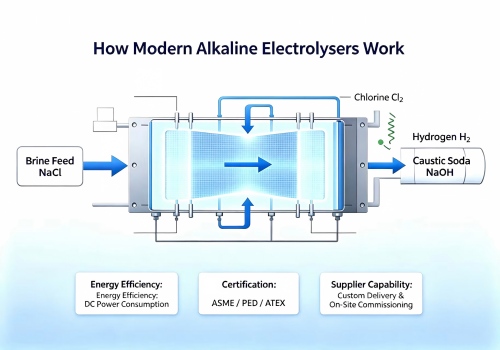
An alkaline electrolyser is an electrochemical reactor designed to decompose brine (NaCl solution) into chlorine gas, hydrogen gas, and caustic soda using direct current. It is the core process unit of the chlor-alkali industry, historically divided into mercury, diaphragm, and the modern Ion exchange membrane electrolyzer technologies.


Q2: How does an Ion exchange membrane electrolyzer work?

An Ion exchange membrane electrolyzer operates by feeding ultra-pure brine into the anode compartment and dilute caustic solution into the cathode compartment. The selective perfluorinated ion membrane allows only sodium ions (Na⁺) to migrate from the anode side to the cathode side, where they react with hydroxide ions to generate high-concentration caustic soda. This method prevents chloride ion migration, yielding high-purity caustic soda directly without additional purification steps – a fundamental distinction from older-generation technologies.


Q3: How to choose a reliable alkaline electrolysers manufacturer?

To select a reliable alkaline electrolysers manufacturer, a three-step verification process is recommended:


Certification Review: Verify ASME/PED certification qualifications and ATEX compliance documentation related to hydrogen systems.


Operational Data: Insist that the supplier provide real operational data (not simulation results) from a complete one-year operating cycle, focusing on DC power consumption (kWh/tonne NaOH) and current efficiency.


Service Capability: Evaluate their on-site service capacity to provide technical guidance for ion-exchange membrane installation and unit cell voltage calibration. Suppliers like Hefei Sinopower Technologies Co., Ltd., which can offer turnkey installation support, are often best able to bridge the most critical practical gap between a successful Factory Acceptance Test and smooth on-site commissioning.
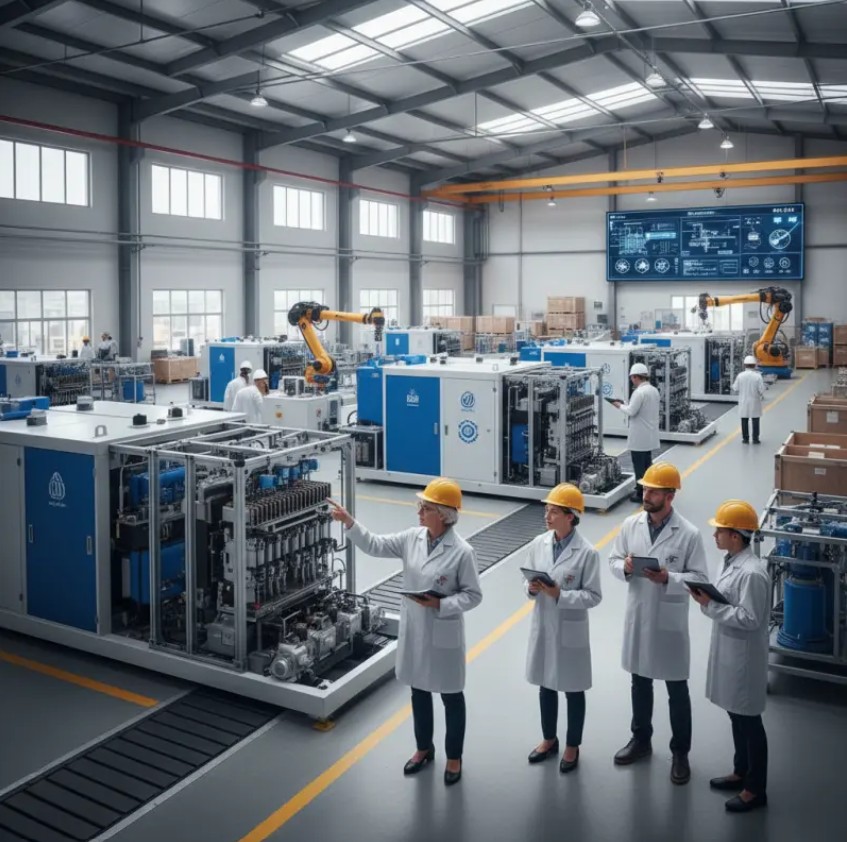
2026 How to Choose the Best China Electrolytic Chlorine Generator Factories?

Picking the right electrolytic chlorine generator factory is pretty important when you're maintaining a pool or keeping water clean. I mean, Dr. Jane Smith, who’s kind of a big deal in water treatment tech, mentions that the quality of these generators really impacts how sustainable your water system will be. So, knowing how to choose the right manufacturer can actually make a huge difference in how smoothly things run.


When you're checking out different factories, don’t just look at their prices or how shiny their website is. Make sure to see what kind of reputation they have and how much experience they’ve got in making these generators. It’s also smart to look for certifications—stuff that proves they meet international standards. And of course, pay attention to their tech and how they actually make their products. Factories that use the latest electrolysis tech tend to produce way better, more reliable stuff.


Oh, and don’t forget about customer support and warranties! If a manufacturer is quick to help out and stands behind their products, that’s a good sign they really care about their customers. Looks can be deceiving sometimes, so take some time to read reviews and hear what others have to say. Doing a little homework now can save you headaches later on.


electrolytic chlorine generator factory

Understanding the Basics of Electrolytic Chlorine Generators

electrolytic chlorine generator

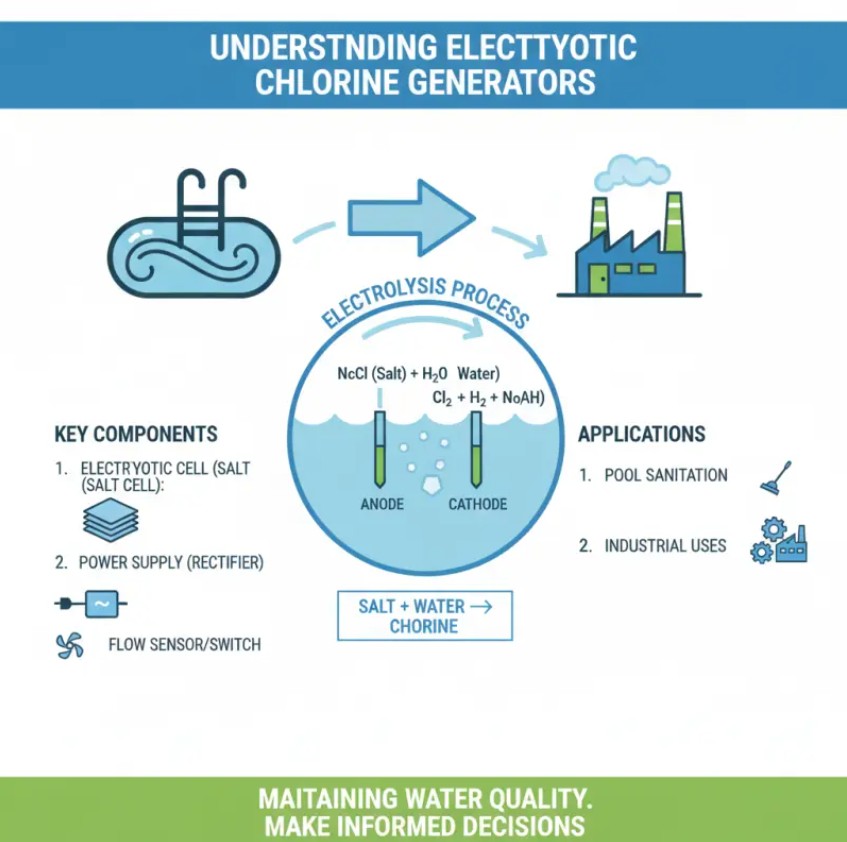
Electrolytic chlorine generators (ECGs) play a crucial role in maintaining water quality. They convert salt and water into chlorine through an electrolysis process. This method is essential for pool sanitation and industrial applications. Understanding the components of ECGs is vital for making informed purchasing decisions.

These generators typically consist of cell plates, a power supply, and a saltwater solution. The cell plates, often made of titanium, create the necessary electrical current. However, the quality of materials significantly affects the generator's longevity and efficiency. Regular maintenance is also necessary; scale buildup can reduce performance.

Choosing the right factory involves more than just product specifications. Assessing the factory’s experience, production capacity, and quality control processes is critical. It can be challenging to find reliable suppliers. Some factories may focus more on cost than quality, which can lead to issues later. Ensuring that a factory adheres to industry standards can mitigate risks. Selecting a manufacturer with a strong reputation is essential for long-term success.


Key Factors to Consider When Selecting a Manufacturer


 electrolytic chlorine generator factory

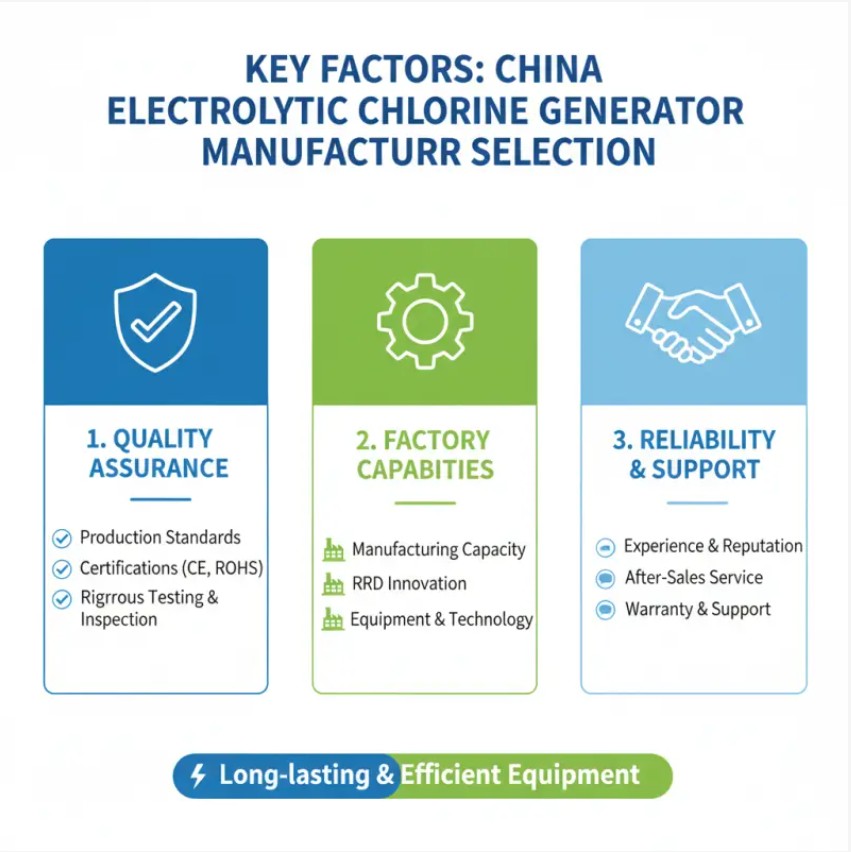
When selecting a manufacturer for electrolytic chlorine generators in China, several key factors deserve your attention. Quality assurance is paramount. A factory’s production standards directly impact the longevity and efficiency of the equipment. Investigate certifications and quality testing procedures in place. Look for factories that prioritize rigorous inspection and testing of their products.

Another crucial aspect is the factory's experience and expertise in the field. Choosing a manufacturer with a proven track record can help avoid potential pitfalls. Ask about their years in business, past projects, and customer testimonials. A knowledgeable team can offer valuable insights and support throughout your purchase.

Communication and support during and after the sale also play a significant role. A reliable manufacturer should provide clear communication channels. Post-sales support is equally critical. Delays or issues will arise, and a responsive manufacturer can make a difference. Consider their warranty policies and support services. Reflecting on these factors can lead you to a more informed decision amidst the myriad of choices available.


Evaluating Production Capacity and Technology for Efficiency

When selecting a China electrolytic chlorine generator factory, evaluating production capacity and technology is crucial. The global market for electrolytic chlorine generators is projected to grow by 7% annually, highlighting the importance of efficient production methods. Factories with advanced technologies can produce consistent, high-quality products, which can significantly impact overall performance.

Innovative production practices, such as automation and real-time monitoring, enhance efficiency. Factories that invest in R&D can adapt to market needs swiftly. Reports indicate that manufacturers focusing on eco-friendly technologies are gaining a competitive edge. These advancements lead to reduced waste and lower operational costs. However, not all factories keep up with technological trends, which may affect their output quality.

It is essential to assess not only capacity but also the reliability of machinery and processes. A factory may boast high capacity but lack the necessary quality control measures. Data from industry studies reveal that subpar facilities may produce up to 30% defective units. Making a careful evaluation can mitigate risks associated with variable quality. Understanding these nuances is vital before committing to a partnership.


Quality Assurance Standards for Electrolytic Chlorine Generators

When selecting a factory for electrolytic chlorine generators, quality assurance is vital. Factories should adhere to international standards like ISO 9001. This ensures that processes meet high-quality benchmarks. Regular audits are essential for maintaining these standards. Look for manufacturers that invest in rigorous testing for their products. Consistency in production is key.

Real-world examples show that even established factories can falter. Some had inconsistent product quality due to outdated equipment. It’s crucial to evaluate their manufacturing processes. Visit factories if possible, and observe their operations. Ask about their quality control measures. A reputable factory will be transparent and willing to share data.

Understanding compliance with safety standards is also important. Research common certifications in the industry. Many factories achieve certifications for electrical safety and equipment integrity. This indicates reliability and commitment to safety protocols. It reflects a factory's dedication to quality. Ultimately, take time to assess each potential partner carefully.


Analyzing Customer Support and After-Sales Service Options

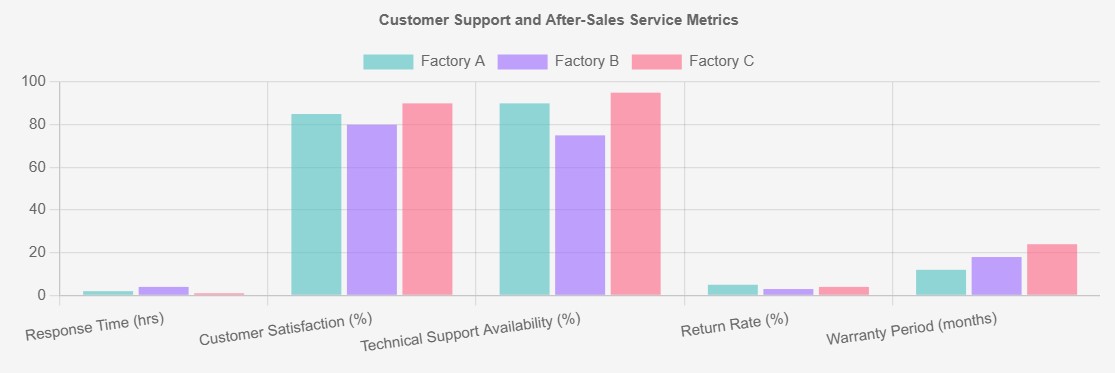
When selecting a China electrolytic chlorine generator factory, customer support and after-sales service are critical factors. A strong support system ensures you can address issues quickly. Look for factories that provide multiple communication channels. Having access to email, phone, and live chat options can greatly enhance your experience. Quick responses indicate a commitment to customer satisfaction.

After-sales service is equally important. Inquire about warranty policies and replacement parts availability. A thorough understanding of these aspects can save you time and money in the long run. Some factories may promise extensive support but fail to deliver. Always check for reviews or testimonials that speak to their reliability. If a factory lacks clear after-sales information, consider it a red flag. It's worth taking the time to evaluate these services before making a decision.


Analysis of Customer Support and After-Sales Service Options for Electrolytic Chlorine Generator Factories in China (2026)

 electrolytic chlorine generator factory


Cost-Effectiveness: Balancing Price and Quality in Your Choice

When selecting a Chinese electrolytic chlorine generator factory, cost-effectiveness is key. Price and quality must find a balance. Research shows that the average cost for these generators ranges from $2,000 to $5,000, depending on capacity and technology. However, a lower price does not always equate to a better deal. Some cheaper models may lead to higher operational costs, ultimately affecting your bottom line.

Quality control is crucial. Reports indicate that 30% of low-end generator models fail within two years of use. This raises questions about longevity and maintenance costs. An affordable option may require more repairs, negating initial savings. Understanding warranties and after-sales service is vital in assessing long-term costs.

Diversifying options can also help. Get quotes from multiple suppliers to compare specifications. Look for factories with ISO certifications or other industry standards. Verify their customer reviews and seek feedback from past clients. This approach will better reveal the reliability of their products. Always keep in mind, cutting corners can lead to regret down the line. Balancing cost and quality should be your guiding principle.


In recent years, the chlorine generator industry in China has experienced significant growth. Market trends indicate a strong shift toward more sustainable practices. Manufacturers are increasingly adopting eco-friendly technologies. This innovation focuses on reducing harmful byproducts.

Current advancements include the use of advanced materials in generator production. These materials enhance durability and efficiency. Additionally, many factories are investing in automation to improve production rates. Automation also aids in maintaining high-quality standards. However, not all factories have transitioned smoothly. Some struggle to adapt to these technological trends, leading to inconsistencies.

Consumer demand for energy-efficient products continues to rise. Companies must stay aware of market expectations. Regular assessments of technology and practices are essential. Engaging with industry experts can offer valuable insights. Challenges remain for businesses unwilling to innovate. Keeping an open mind towards new solutions can greatly benefit manufacturers.


Conclusion

When selecting a manufacturer for an Electrolytic Chlorine Generator, it is crucial to understand the fundamentals of this technology. Key factors to consider include the manufacturer's production capacity, technological advancements, and adherence to quality assurance standards. Additionally, evaluating customer support and after-sales service is essential to ensure a satisfactory experience with the product.

Cost-effectiveness is also a significant aspect, as it's important to find a balance between price and quality to make an informed choice. Finally, keeping an eye on market trends and innovations within China's chlorine generator industry can provide insights into the most up-to-date solutions available, ultimately guiding buyers towards the best factory to meet their needs.


FAQS

What is the primary function of electrolytic chlorine generators?

They convert salt and water into chlorine to maintain water quality.


What are the main components of an electrolytic chlorine generator?

The main components include cell plates, a power supply, and a saltwater solution.


Why is material quality important in these generators?

Quality materials impact the generator's longevity and efficiency significantly.


What maintenance is required for optimal performance of ECGs?

Regular maintenance is essential to prevent scale buildup that can reduce performance.


How can I choose a reliable factory for ECGs?

Assess factors like experience, production capacity, and quality control processes.


What should I look for regarding customer support from a factory?

Ensure they offer multiple communication channels for quick issue resolution.


Why is after-sales service important?

It can save time and money, ensuring support for warranty and replacements.


What should I consider if a factory lacks clear after-sales information?

It may be a red flag indicating unreliable support and services.


How can I verify a factory's reputation?

Check reviews or testimonials to gauge their reliability before committing.


What challenges might arise when choosing a supplier?

Some suppliers may prioritize cost over quality, leading to potential issues later.

China Top CE Certified Suppliers for Chemical Water Treatment Equipment?

When it comes to industries focused on sustainable water management, chemical water treatment equipment really plays a vital role. I mean, David Smith, who’s pretty much an expert in water treatment tech, once said, “Quality equipment is the backbone of effective water treatment.” It’s a good reminder of why it’s so important to choose certified suppliers.


In China, there are a handful of companies that really stand out as top CE certified suppliers. They’re the ones making sure their stuff meets strict international standards, often packing some pretty advanced tech into their equipment. But here’s the thing—not all suppliers are on the same level. Some may meet high standards, while others might fall short, so doing a bit of homework is definitely a must.


The market’s constantly changing, and honestly, some suppliers are kinda struggling with keeping up or pushing new innovations. That’s why, if you’re looking to get into this, you’ve gotta critically evaluate your options. Yeah, it might feel overwhelming, but it’s totally worth it. Making well-informed choices can really make a difference in how effective your water treatment ends up being.

Water Treatment Equipment?


Understanding CE Certification in Chemical Water Treatment Equipment

CE certification is vital for chemical water treatment equipment in today's global market. It ensures that products meet stringent European safety and environmental standards. According to the European Commission, about 34% of the imported industrial equipment fails to meet CE guidelines. This statistic underscores the importance of selecting certified suppliers, particularly in the chemical sector.

Choosing a reliable supplier involves careful consideration. Look for companies that demonstrate a solid understanding of CE requirements. They should provide documentation proving compliance with EU standards. A quality supplier often undergoes regular audits and testing. Such diligence ensures the equipment's effectiveness and safety, reducing potential operational hazards.

Tip: Always request a copy of the CE certificate. Verifying this document can prevent future compliance issues. Stay updated on regulations, as they frequently change. Evaluate suppliers based on their history and customer feedback. A well-informed choice can enhance operational efficiency significantly.


Overview of the Chemical Water Treatment Market in China

The chemical water treatment market in China is experiencing significant growth. Recent reports indicate that the market size is projected to reach approximately $10 billion by 2025. This growth is attributed to increasing industrialization and urbanization. Industries such as manufacturing and pharmaceuticals are major contributors to this demand.

With stricter environmental regulations, companies are investing in advanced chemical water treatment equipment. This shift aims to improve water quality and ensure compliance. A study highlights that 70% of the sector is focused on adopting eco-friendly technologies. However, there are still challenges. Many suppliers struggle with outdated technology and high operational costs.

Emerging players are now entering the market. They bring innovative solutions that cater to diverse industrial needs. However, the lack of standards can lead to inconsistencies. This makes it essential for buyers to do thorough research. The market is dynamic, and staying informed is key for effective decision-making.


Key Features of Top CE Certified Suppliers in China

China has emerged as a leading nation in the production of chemical water treatment equipment, with many suppliers earning CE certification. This certification guarantees that products meet EU safety and environmental standards. According to industry reports, over 40% of water treatment equipment in Asia now comes from China, reflecting its growing influence in the global market.


Top suppliers in China focus on several key features. First, they emphasize innovation. Many invest significantly in research and development. Recent data shows that R&D spending by top suppliers rose by 25% in the past year. This investment leads to more efficient, environmentally friendly treatment systems. Additionally, these suppliers adhere to strict quality control processes. Many conduct tests to ensure compliance with international standards, although inconsistencies can still arise in production.


Customer support also plays a crucial role. Leading suppliers provide comprehensive training and 24/7 assistance to clients. However, some companies struggle to maintain these standards consistently. Feedback from clients indicates that response times vary significantly. Overall, while many suppliers demonstrate strong capabilities, there are gaps in reliability and service that need to be addressed.


Industry Standards and Compliance for Water Treatment Equipment

Chemical water treatment equipment plays a vital role in ensuring that water meets safety standards. Compliance with industry standards is crucial. CE certification is one way to validate that equipment is safe and effective. It shows that the product meets European safety standards. This is especially important when dealing with public health.

Many suppliers in China are striving for CE certification. However, not all comply fully with the necessary regulations. It raises questions about the reliability of certain equipment. Manufacturers must demonstrate that their products work under various conditions. Testing is essential to ensure quality and durability. Equipment must resist corrosion and operate efficiently over time.

The industry landscape feels crowded, yet gaps remain. While some firms excel, others fall short in quality assurance. Transparency is necessary for fostering trust. Buyers should carefully assess certifications and documentation. They must look beyond surface-level claims to make informed decisions. The focus should always be on achieving optimal water quality. Standards help guide this process, but rigorous evaluation is essential for success.


Market Share and Leading Players in China’s Water Treatment Sector

China's water treatment sector is rapidly expanding. In 2021, the market size reached approximately USD 38 billion. This growth reflects increased demands for clean water and stricter environmental regulations. The industry is highly competitive, with numerous players fighting for market share.

Recent reports indicate that several companies dominate the market. These key players collectively hold around 45% of the total market share. Their technologies include advanced filtration systems, chemical dosing equipment, and innovative disinfection methods. However, there are challenges. For instance, new entrants struggle with high startup costs and the need for technological expertise.

Furthermore, the ongoing push for sustainability complicates industry dynamics. Companies must adapt to eco-friendly practices while maintaining efficiency. There are gaps in compliance among smaller suppliers. This inconsistency can hinder progress in achieving national water quality goals. The industry's future will depend on balancing profitability with environmental responsibility.


Technology Innovations by CE Certified Suppliers in Water Treatment

In the realm of chemical water treatment, innovation is key. CE certified suppliers in China lead the charge with advanced technologies that enhance efficiency and sustainability. These suppliers focus on creating systems that not only clean water but also reduce energy consumption. Membrane filtration and advanced oxidation processes are prime examples. They utilize cutting-edge materials that outperform traditional methods.

Recent developments show a shift toward automation. Many suppliers are integrating smart technologies into their systems. IoT-enabled sensors and monitoring tools provide real-time data, allowing for better management of resources. However, this technological leap comes with challenges. The complexity of the systems can be daunting for some users. Training and education become crucial to maximize these innovations.

Sustainability remains a core focus. Suppliers are experimenting with eco-friendly materials and processes. This shift raises questions about initial costs versus long-term savings. While some may find the prices high, the benefits often validate the investment. Case studies highlight significant reductions in waste and energy use. Facing the obstacles of implementation, collaboration among stakeholders is essential for success.


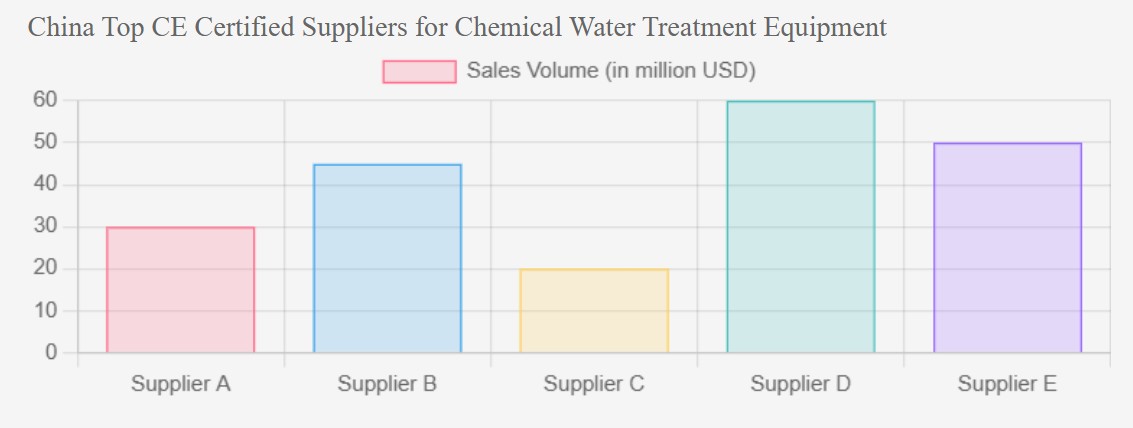
China Top CE Certified Suppliers for Chemical Water Treatment Equipment

Water Treatment Equipment

This bar chart illustrates the sales volume of top CE certified suppliers in the chemical water treatment equipment industry in China. The values represent millions of USD sold, indicating the competitive landscape and market size for these suppliers.


Impact of CE Certification on Export Opportunities for Chinese Suppliers

CE certification plays a crucial role for Chinese suppliers of chemical water treatment equipment. It enhances credibility and opens doors to international markets. Recent reports indicate that over 70% of European buyers prefer suppliers with CE marks. This preference is not only based on safety, but also on reliability and compliance with standards.

The impact of CE certification on export opportunities cannot be overlooked. A survey indicated that companies with CE certification experienced a 40% increase in exports. This substantial growth highlights the importance of certification in meeting international quality demands. It’s not merely a badge; it assures potential buyers of product safety and efficiency.

Tips: Invest time in understanding CE regulations to avoid potential delays in certification. Conducting regular audits can help maintain compliance. Being proactive in quality management increases competitiveness. Consider collaborating with certification experts to navigate complex processes.


Conclusion

The article delves into the significance of CE certification for Chemical Water Treatment Equipment in China, emphasizing its implications for quality and safety standards. With a thorough understanding of CE certification, it outlines the dynamics of the chemical water treatment market in China, highlighting the essential attributes that distinguish top CE certified suppliers.

Moreover, it examines the industry standards and compliance measures that govern water treatment equipment, while also analyzing market shares and the leading players within the sector. The piece further explores technological innovations spearheaded by CE certified suppliers and discusses how certification enhances export opportunities for Chinese manufacturers, thereby positioning them competitively in the global market for Chemical Water Treatment Equipment.


FAQ:

What is the importance of chemical water treatment equipment?

It ensures water meets safety standards and protects public health.


How can we verify the safety of water treatment equipment?

CE certification indicates the equipment meets European safety standards.


Are all suppliers compliant with industry regulations?

Not all suppliers fulfill necessary regulations, raising reliability concerns.


What factors should buyers consider when choosing equipment?

Assess certifications and documentation. Look beyond surface-level claims.


What technologies are being adopted in water treatment?

Advanced technologies like membrane filtration and automation enhance efficiency.


What challenges come with new water treatment technologies?

Complexity of systems can be daunting. Training is essential to manage effectively.


How are suppliers addressing sustainability in water treatment?

They explore eco-friendly materials and processes, balancing costs and savings.


Why is transparency important in the water treatment industry?

It builds trust between suppliers and buyers, ensuring quality assurance.


What should stakeholders do for successful implementation of innovations?

Collaboration is essential to overcome challenges and maximize benefits.


What is a common limitation faced by companies in the industry?

Some firms struggle with maintaining consistent quality and reliability.


Core Structure Analysis of Chlor-Alkali Electrolyzers Anode, Cathode, and Membrane Assembly

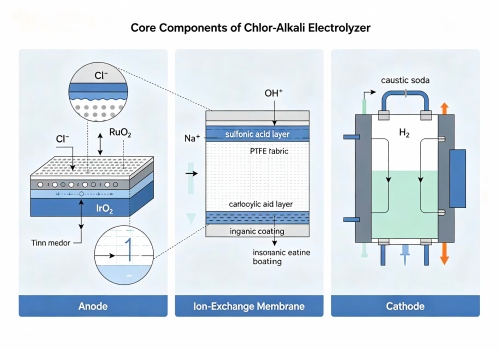
The essence of a chlor-alkali electrolyzer is a precisely controlled electrochemical reactor. Direct current flows in through the anode and out through the cathode. Within an extremely narrow gap, brine is decomposed into chlorine gas, hydrogen gas, and caustic soda. Driving all of this are three precision-engineered core components working in concert: the anode, the cathode, and the ion-exchange membrane.


1. Anode Structure and Catalytic Properties


The anode is where chloride ions surrender their electrons. The anode of a modern chlor-alkali electrolyzer is a titanium metal expanded mesh, with a surface coating of mixed metal oxides only a few micrometers thick. Titanium is chosen as the substrate material because, under the anodic polarization conditions of electrolysis, a dense titanium dioxide (TiO₂) passivation film spontaneously forms on the titanium surface. This film is extremely stable in wet chlorine gas and concentrated brine. However, while the passivation film protects titanium from corrosion, it also strips the titanium surface of its electrical conductivity. Therefore, a micrometer-scale catalytic coating is sprayed onto the titanium surface. The core component of the coating is ruthenium dioxide (RuO₂), an oxide with metallic-level conductivity. The work function of RuO₂ falls precisely within the bandgap of TiO₂, forming a “conductive bridge” within the TiO₂ passivation film that allows electrons to pass from the electrolyte through the passivation film to the titanium substrate. Meanwhile, RuO₂ exhibits extremely high catalytic activity for the chlorine evolution reaction (2Cl⁻ → Cl₂ + 2e⁻). At the same voltage, the chlorine generation rate is far greater than the oxygen generation rate, improving current efficiency. However, a pure RuO₂ coating slowly dissolves during long-term operation in acidic anolyte (pH 2–4). Therefore, iridium dioxide (IrO₂) is added to the coating of commercial DSAs (Dimensionally Stable Anodes). Iridium dioxide is far more stable than binary ruthenium oxide in acidic environments, extending coating life. Some formulations also contain SnO₂ as a stabilizer and dispersant. Diaphragm cell anode coatings typically contain more SnO₂ because the diaphragm cell anolyte has a higher pH, creating a greater need to suppress the oxygen evolution side reaction.


2. Membrane Layer Structure and Ion Selectivity


The modern chlor-alkali membrane is a perfluorinated polymer composite material comprising four functional layers: the thickest layer is the sulfonic acid layer, facing the anode. Perfluorosulfonic acid (-SO₃H) is a superacid. This layer has high water content, and sodium ions pass through it unimpeded; it is the main conductive layer of the membrane, providing a low-resistance pathway. Embedded behind the sulfonic acid layer is a PTFE fabric that provides the mechanical skeleton. The chemical inertness of the perfluorocarbon chain endows the membrane with durability in the dual extreme environment of strong oxidizing and strong alkaline conditions. The PTFE skeleton also ensures that the membrane does not undergo thermal creep during high-temperature operation. Localized shrinkage or expansion of the membrane would cause changes in the gap with the electrodes, leading to uncontrolled local current density. Facing the cathode is the carboxylic acid layer; perfluorocarboxylic acid (-COOH) is a weak acid. On the acidic, water-rich anode side, -COOH partially remains as neutral molecules, with ion channels half-open; on the alkaline, water-poor cathode side, -COOH fully dissociates into -COO⁻, and the dense negative charge forms a Donnan exclusion barrier that prevents OH⁻ back-migration. The outermost layer is an inorganic coating a few micrometers thick (typically porous oxides such as ZrO₂). By forming a porous, rough surface structure, it reduces the membrane surface's adhesion to bubbles, allowing the chlorine and hydrogen gases produced by electrolysis to rapidly detach from the membrane surface. A single sulfonic acid membrane does not have sufficient negative charge density to effectively block OH⁻ back-migration. The OH⁻ concentration in the catholyte is far higher than that in the anolyte, and the excessive concentration gradient drives OH⁻ to migrate backward through the membrane to the anode, greatly reducing current efficiency. This was later addressed by laminating a carboxylic acid layer onto the sulfonic acid layer. The negative charge density of -COO⁻ in the carboxylic acid layer is far higher than that of -SO₃⁻, enhancing the repulsion of OH⁻. Although the total membrane resistance increases slightly, current efficiency leaps from 80% to 96–97%.


3. Core R&D Directions of Key Components


These three core components of the chlor-alkali electrolyzer represent three dimensions of research and development: the durability of electrocatalytic coated anodes in strongly oxidizing environments; the stability of high specific surface area catalytic cathodes in strong alkali; and the efficient ion selectivity of perfluorinated membranes under extreme pH gradients.


FAQ:


1. Why does the titanium anode need a mixed metal oxide coating?

A natural TiO₂ passivation film on titanium prevents corrosion but loses conductivity. The RuO₂-IrO₂ composite coating builds a conductive bridge, provides high chlorine evolution catalytic activity, and improves acidic environment stability.


2. What is the function of IrO₂and SnO₂in anode coatings?

IrO₂ improves the long-term acid resistance of the coating to avoid dissolution. SnO₂ acts as a stabilizer and dispersant, which helps suppress oxygen evolution side reactions for diaphragm cells.


3. Why does the chlor-alkali membrane adopt a dual-layer sulfonic acid + carboxylic acid structure?

The sulfonic acid layer ensures high ion conductivity and low resistance. The carboxylic acid layer forms a strong Donnan exclusion barrier to block OH⁻ back-migration, greatly improving current efficiency from 80% to 96%–97%.


Electrodialysis Backwashing Are You Really Doing It “Right”?

A Systematic Guide to Backwashing & Cleaning Strategies for Electrodialyzers

Electrodialysis (ED) technology, as an efficient and economical membrane separation process, plays an important role in industrial water treatment, material separation, and wastewater reclamation. However, during long-term operation, the accumulation of inorganic scale, organic foulants, and suspended particles on ion-exchange membrane surfaces and within flow channels is inevitable, leading to increased stack resistance, reduced desalination efficiency, and even engineering issues such as uneven flow distribution and exacerbated concentration polarization. Therefore, a scientific and effective backwashing and cleaning maintenance strategy is a key technical measure to ensure the long-term stable operation of electrodialyzers and extend membrane service life.

From an engineering practice perspective, the backwashing and cleaning technologies for electrodialyzers are mainly divided into three levels:

(1) periodic physical backwashing based on hydraulic action, used to remove reversible fouling from membrane surfaces;

(2) electrodialysis reversal (EDR) based on electrochemical principles, enabling online automatic scale prevention and self-cleaning;

(3) chemical cleaning targeting stubborn foulants. The mechanisms, operating parameters, and engineering key points of each technical approach are systematically described below.

I. Physical Backwashing: Hydraulic Cleaning Based on Fluid Mechanics

Physical backwashing is the most fundamental maintenance method. Its core objective is to remove reversible fouling from membrane surfaces and flow channels.

Mechanism

During normal (forward) operation, the water flow direction is consistent with the contaminant deposition direction, making it easy for particles to accumulate in spacer mesh corners and dead zones on the membrane surface. During backwashing, water enters from the outlet end and exits from the inlet end. The reverse flow velocity generates sufficient shear force to dislodge and carry away loosely attached particulate matter and flocs that have not yet firmly adhered.

Key Parameters & Controls

Parameter

Details

Flow Velocity

Too low to achieve effective scouring; too high may cause stack deformation or leakage. The linear flow velocity in the flow channel is typically controlled at 50–200 mm/s.

Frequency & Duration

Generally performed once every 7–15 days of operation. Backwashing itself is a short-duration operation, typically lasting several minutes until the effluent runs clear.

Limitations

It is a physical, non-specific cleaning method and cannot remove chemical precipitates (scale) or firmly adsorbed organic matter.

II. Electrodialysis Reversal (EDR): Electrochemical Self-Cleaning Mechanism

EDR is a major breakthrough in electrodialysis technology. It transforms “backwashing” from a periodic maintenance operation into a continuous, online self-cleaning process.

1. Standard Operating Procedure

An EDR system consists of the electrodialysis stack, rectifier, and automatic polarity-reversal system. The standard reversal procedure is as follows:

Polarity Reversal: A thyristor-controlled rectifier switches the DC power polarity every 15–20 minutes.

Valve Interlocking: A PLC controller or electrical program control cabinet simultaneously switches the inlet/outlet valves, ensuring the flow direction matches the newly formed concentrate and diluate compartments.

Water Quality Transition: After switching, a transition period of 1–2 minutes follows, during which the product water is off-spec and is automatically diverted to the concentrate discharge system.

2. Anti-Scaling Mechanisms for Three Major Foulant Types

Fouling in electrodialysis mainly falls into three categories. EDR addresses each through distinct mechanisms:

Carbonate Scale (e.g., CaCO₃)

Scaling primarily occurs on the anion-exchange membrane surface in the concentrate compartment, where the pH rises. EDR's frequent polarity switching prevents the alkaline environment responsible for scale formation from persisting. Newly formed microcrystals dissolve before they can grow, achieving a “dynamic precipitation-dissolution equilibrium.”

Sulfate Scale (e.g., CaSO₄)

Formation is caused by ion supersaturation and precipitation in the concentrate stream. CaSO₄ crystal nuclei require a certain amount of time to grow. By frequently reversing the electric field direction within 15–20 minutes, EDR continuously disrupts the crystallization process, preventing the formation of a firmly adhered scale layer.

Organic Matter & Colloids

These substances are mostly negatively charged. EDR causes them to oscillate back and forth with the electric field direction, preventing stable attachment to the membrane surface. They are ultimately carried away by the water flow and discharged.

III. Chemical Cleaning: Targeted Removal of Specific Contaminants

When physical and electrochemical methods are insufficient, chemical cleaning becomes necessary. Its essence lies in using chemical reactions to dissolve or strip away contaminants.

Acid Cleaning (for inorganic scale)

Parameter

Details

Reagent

A 1%–2% hydrochloric acid (HCl) solution is commonly used. The concentration should not exceed 3% to avoid damaging the ion-exchange membranes.

Procedure

Circulation cleaning is employed, typically lasting 1–2 hours, or until the pH of the cleaning solution stabilizes.

Parameters

The cleaning solution temperature should be maintained at 20–35°C.

Alkaline Cleaning (for organics, oils, microorganisms)

Parameter

Details

Reagent

An alkaline brine solution composed of 9% NaCl and NaOH is commonly used.

Procedure

Alkaline cleaning typically lasts 30–90 minutes. Reverse-direction cleaning is recommended for better results.

Engineering Considerations

⚠️ Critical Notes

Rinse Water Quality: After chemical cleaning, the system must be thoroughly rinsed with high-quality water (e.g., RO permeate). The rinse water temperature should be approximately 20°C.


Waste Liquid Treatment: Cleaning wastewater must be collected centrally and discharged in compliance with regulatory standards.


Conclusion

The maintenance of electrodialyzers is a multi-level system: EDR achieves online, automatic scale prevention through frequent polarity reversal; physical backwashing periodically removes reversible fouling; chemical cleaning targets stubborn scale; and periodic disassembly cleaning provides thorough maintenance. These methods work in concert to collectively ensure the long-term stable operation of electrodialyzers.

How a Membrane Separates Chlorine and Alkali — Working Principle of Ion-Exchange Membrane Electrolysis Cells

Salt (NaCl) is dissolved in water, and direct current is applied. At the anode, yellow-green chlorine gas is released; at the cathode, hydrogen gas is produced, and sodium hydroxide (NaOH) forms in the solution. Overall reaction: 2NaCl + 2H₂O ⟶ 2NaOH + Cl₂↑ + H₂↑


This reaction does not occur spontaneously — it requires at least 2.19 volts to drive it. The higher the temperature, the lower this minimum voltage, so the electrolysis cell operates at 85–90°C. But the temperature cannot be raised indefinitely, because the membrane that plays the critical role cannot withstand it.


The real challenge of electrolysis is not applying current, but separating the products the moment they are born. If chlorine gas and caustic soda meet, they immediately react back into bleach; if chlorine gas and hydrogen gas mix, they may explode. Major accidents in the chlor-alkali industry almost always trace back to this root cause.


Over the past century, three separation approaches have been developed. The earliest, the mercury process, used flowing liquid mercury as the cathode — sodium dissolved into the mercury to form a liquid alloy, which was pumped to an adjacent room to react with water and produce caustic soda; chlorine and alkali never shared the same chamber, at the cost of mercury's toxicity. The diaphragm process sandwiched a porous asbestos pad between the two electrodes, with brine flowing from anode to cathode, using the flow to prevent caustic soda from flowing back — simple and cheap, but the caustic soda was heavily contaminated with salt, requiring subsequent evaporation and purification. The membrane process is fundamentally different: it uses a dense polymer membrane filled with negative charges that naturally repels negatively charged OH⁻ and Cl⁻, allowing only Na⁺ to pass through.


The structure of a membrane electrolysis cell is a sandwich: titanium mesh anode (coated with ruthenium-iridium oxide) → membrane → nickel mesh cathode. Modern “zero-gap” designs press the electrodes elastically against the membrane, leaving no gap — the gas bubbles generated during electrolysis would cover the electrodes and increase resistance; the zero-gap design allows bubbles to escape through grooves on the back of the electrodes, saving considerable electrical power.


Within the multilayer structure of this membrane, the most critical component is the carboxylic acid layer facing the cathode, which is extremely thin. The carboxylic acid groups (–COOH) are weak acids with a pKa of approximately 2–3. On the acidic anode side (pH 2–4), a large proportion of –COOH groups remain as neutral molecules, with ion channels half-open; on the alkaline cathode side (pH > 14), all –COOH groups dissociate into –COO⁻, forming a dense wall of negative charges that blocks OH⁻ firmly. The membrane exploits the natural pH gradient on both sides — “opening the door” for conduction on the anode side and “closing the door” for blocking on the cathode side. A single-layer sulfonic acid membrane achieves only about 80% current efficiency; with the addition of this carboxylic acid layer, the efficiency jumps to 96–97%.


Driven by the electric field, Na⁺ migrates from concentrated brine through the membrane into concentrated caustic soda. Ideally, for every electron that flows, one Na⁺ crosses the membrane — this ratio equals the current efficiency. However, about 3–4% of the current is still carried by “escaping” OH⁻ — the OH⁻ concentration in the catholyte is a trillion times that in the anolyte, and the concentration-gradient-driven diffusion force is extremely strong. As Na⁺ crosses the membrane, it also drags 3–5 water molecules: the catholyte is thereby diluted and needs water replenishment, while the anolyte loses water and the NaCl becomes more concentrated — at the extreme, salt crystals precipitate and scratch the membrane.


The theoretical voltage is 2.2V, while actual operation is approximately 3.0V. The extra 0.8V breaks down into: anode overpotential, cathode overpotential, electrolyte resistance, membrane resistance (the largest source of loss), electrode and contact resistance, and bubble effects. As the membrane is made thinner, the cell voltage also decreases accordingly.


The membrane's requirements for brine purity are nearly stringent: the total calcium and magnesium entering the cell must not exceed 20 ppb. This is equivalent to dissolving no more than 50 grams of calcium chloride in a standard swimming pool of water — exceeding this amount will poison the membrane. The calcium and magnesium content of ordinary seawater is 200,000 times this value. Therefore, the brine requires two-stage purification: chemical precipitation (the order of reagent addition must never be reversed) reduces calcium and magnesium from several hundred ppm down to 5 ppm; chelating resin towers then capture the remaining ions, bringing the total below 20 ppb. Particular vigilance is needed for iodine — trace amounts of iodine in sea salt, after oxidation at the anode, form permanent precipitates within the membrane, which can cause up to 5% loss in current efficiency.

Operating an electrolysis cell is like turning five interlinked knobs simultaneously. Temperature 85–90°C: higher saves electricity but the membrane cannot tolerate it. Current density 3–6 kA/m²: higher means greater capacity but increased resistive losses. More concentrated brine means higher current efficiency but risks crystallization that scratches the membrane. Caustic soda concentration is approximately 32–35%. The hydrogen-side pressure must always be higher than the chlorine-side pressure, ensuring that if the membrane is breached, only hydrogen leaks into the chlorine side — never giving chlorine the opportunity to enter the hydrogen side and form an explosive mixture. If the chlorine-side pressure exceeds the hydrogen-side pressure: chlorine gas will penetrate the ion-exchange membrane or seals and leak into the hydrogen side. Chlorine mixing into hydrogen not only forms an explosive gas mixture but also causes severe corrosion to hydrogen pipelines and compressors. If the hydrogen-side pressure is higher than the chlorine-side pressure, even in the event of a minor leak, hydrogen will permeate toward the chlorine side. Although hydrogen mixing into chlorine also poses an explosion risk, chlorine systems are typically equipped with more comprehensive dehydrogenation and monitoring facilities. More importantly, under the industrial design principle of “Fail-Safe,” maintaining slight positive pressure on the hydrogen side is the last line of physical defense against the most dangerous scenario of “chlorine intruding into the hydrogen system.”


       From salt to chlorine gas, caustic soda, and hydrogen — the ion-exchange membrane, using a polymer membrane thinner than cling film, achieves unhindered passage for cations and impenetrable barriers for anions under the exquisite regulation of a pH gradient. Lowest energy consumption, purest products, and most environmentally friendly — these threefold advantages have made the membrane process the absolute mainstream of the modern chlor-alkali industry.

From Concentration to Resource Recovery The Core Role of Electrodialysis in Industrial Wastewater Zero Liquid Discharge (ZLD)

Driven by the dual-carbon targets and national wastewater resource recovery strategy, industries are heavily investing in green transitions. Alongside zero liquid discharge (ZLD) for wastewater, adopting hydrogen fuel cell systems for clean energy has become another inevitable technical route for water-intensive and heavily polluting industries. The core principle of ZLD is straightforward: fully separate clean water from pollutants in wastewater to realize water reuse, while pollutants are treated as solid residues for disposal or resource recovery. Nevertheless, implementing ZLD faces prominent technical bottlenecks, especially for high-salinity wastewater which constitutes the bulk of industrial effluents. Maximizing brine concentration at minimal energy cost is the decisive factor governing the economic viability of the entire ZLD system.


Against this backdrop, electrodialysis (ED) technology stands out thanks to its unique technical merits and is gaining an increasingly central position in full-scale ZLD processes.


1. Necessity of Electrodialysis for ZLD Systems

Conventional ZLD processes mainly adopt the combined process of reverse osmosis (RO) + evaporative crystallization. RO delivers preliminary desalination and concentration, yet its concentration ratio is constrained by osmotic pressure. Once the total dissolved solids (TDS) of wastewater rise to a threshold, further boosting operating pressure triggers skyrocketing power consumption and raises risks of irreversible mechanical damage to RO membranes. Consequently, large volumes of under-concentrated brine are fed into evaporators. Evaporation is universally recognized as the most energy-intensive and costly unit operation across the whole ZLD workflow.

Electrodialysis precisely fills the concentration gap between RO and thermal evaporation. Unlike pressure-driven RO, ED relies on an applied electric field to drive directional ion migration, enabling high-fold concentration under ambient temperature and atmospheric pressure with far higher tolerance to influent salinity. Installing ED as an intermediate stage after RO and ahead of evaporative crystallization drastically cuts down the brine volume sent to evaporators without excessive incremental energy input.


2. Core Functions of Electrodialysis in ZLD Projects

(1) Deep Brine Concentration

Deep concentration represents ED’s primary function in ZLD facilities. Brine concentrated via pre-treatment processes such as RO flows into ED stacks for secondary or even tertiary concentration, pushing salinity close to saturation before thermal crystallization. This tiered "membrane concentration + thermal concentration" design minimizes the feed volume of high-energy evaporation units, which has become the mainstream engineering paradigm for modern ZLD projects.

(2) Selective Salt Separation and Resource Valorization

Many industrial wastewaters contain mixed dissolved salts. Direct crystallization of mixed salts yields low-value mixed solid waste that must be handled as hazardous waste with substantial disposal costs. Selective electrodialysis separates ions of different valence states under electric potential. For instance, selective ED effectively segregates corrosive chloride ions (Cl⁻) and sulfate ions (SO₄²⁻) in steel mill wastewater. The separated high-purity saline streams can be further refined and recycled as industrial raw materials.

Furthermore, bipolar membrane electrodialysis (BPED) directly converts waste brine into corresponding acids and alkalis. These regenerated chemicals can be recycled on-site for pH adjustment, ion exchange resin regeneration and other production procedures, achieving genuine resource recovery from saline wastewater.


3. Technical Limitations & Practical Engineering Considerations

Electrodialysis is not a universal all-in-one solution. Stable and efficient ED operation requires strict pre-treatment of influent: suspended solids, scale-forming hardness ions and organic contaminants must be removed to meet influent standards; otherwise, severe membrane fouling and scaling will occur and degrade stack performance. Although ED accommodates higher influent TDS compared with RO, excessively high initial salinity reduces current efficiency and weakens concentration performance. Accordingly, process parameters must be customized based on site-specific water quality data. In real-world engineering applications, ED is integrated with chemical softening, nanofiltration (NF), RO, evaporative crystallization and other treatment units into a complete integrated ZLD system, where each unit undertakes dedicated functions and operates synergistically.


4. Conclusion

The core objective of industrial wastewater ZLD is to strike a balanced trade-off between environmental compliance and economic sustainability. The core advantage of electrodialysis lies in substituting a portion of high-cost thermal energy consumption with relatively low-cost electrical energy, enabling cascaded energy utilization throughout the whole ZLD system. With continuous advancement in ion exchange membrane materials and accumulation of field engineering experience, ED has evolved from an optional auxiliary module to an indispensable core unit within ZLD workflows. It cannot eliminate all wastewater treatment challenges, but it perfectly addresses the critical bottleneck of volume reduction for high-salinity brine. For enterprises planning or constructing ZLD facilities, mastering and properly deploying electrodialysis technology is a pivotal step to turn the conceptual goal of zero liquid discharge into feasible industrial practice.

How Can Safety Design and On-Site Troubleshooting Be Achieved for Stationary Water-Cooled PEM Hydrogen-Fueled Power Generation Systems?

1. Overall System Configuration

The water-cooled PEM fuel cell power generation system consists of five independent modules: the fuel cell stack, the hydrogen supply module, the air supply module, the thermal management module, and the electronic control module. Each module is isolated from the others to prevent cross-interference between gas, water, and electricity, thereby mitigating safety risks at the system architecture level.

water-cooled PEM fuel cell power generation system

 Core Components

 Composition and Functions

PEMFC (Proton Exchange Membrane) Hydrogen Fuel Cell Stack

The core component of the system, this proton exchange membrane fuel cell stack converts the chemical energy of hydrogen and oxygen into electrical energy and serves as the core unit for power generation.

Hydrogen Supply Module

Hydrogen leak detector, vapor-liquid separator, hydrogen recirculation pump (for configurations of 10 kW and above), exhaust treatment device, etc., ensure that hydrogen enters the stack stably and safely, while exhaust gas is discharged from the system through the hydrogen exhaust port.

Air Supply Module

Comprising an air filter, intercooler, humidifier, air compressor, throttle valve, and various air ducts, this module supplies clean, dry air with a stable flow rate (the source of oxygen) to the stack, meeting the stack’s operational requirements.

Thermal Management Module

This module includes a water pump, radiator, temperature sensors, expansion tank, cooling fan, conductivity monitor, and deionizer. It controls the temperature of the fuel cell and all system components. Through forced-circulation water cooling, it promptly dissipates heat generated by the fuel cell, ensuring the system operates within the optimal temperature range and preventing damage caused by overheating.

Electrical Control Module

Utilizes a PLC controller equipped with a monitoring touchscreen to enable overall system control, parameter monitoring, fault diagnosis, and other functions.


 2. Structural Design

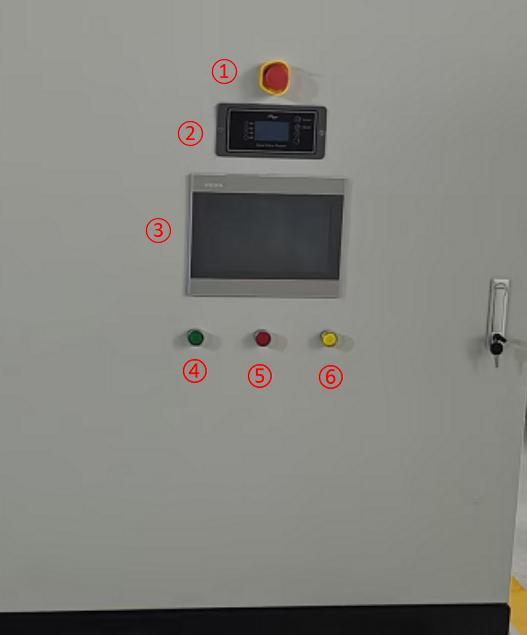
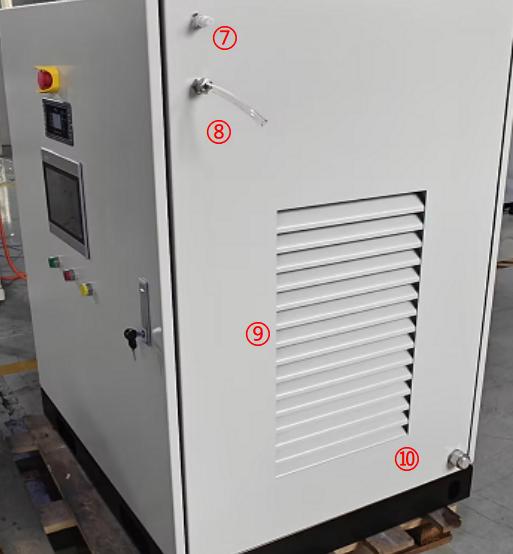
 In addition to the inherent safety design of the system modules, the stationary fuel cell power generation equipment features a meticulously designed structural layout that ensures operational safety and safe gas emissions, achieving separation between personnel and equipment and enabling manual intervention.


  stationary fuel cell power generation equipment


① Emergency Stop Button

        ② Inverter Control Panel

        ③ System Master Control Panel

        ④ Start Button (remains lit during normal operation)

        ⑤ Stop button (remains lit during a fault)

        ⑥ Early Warning Indicator (remains lit during warnings)


  stationary fuel cell power generation equipment


⑦ Hydrogen vent

        ⑧ Hydrogen Inlet

        ⑨ Heat dissipation vent

 ⑩ Exhaust and wastewater outlet


 3. Touchscreen Visual Monitoring

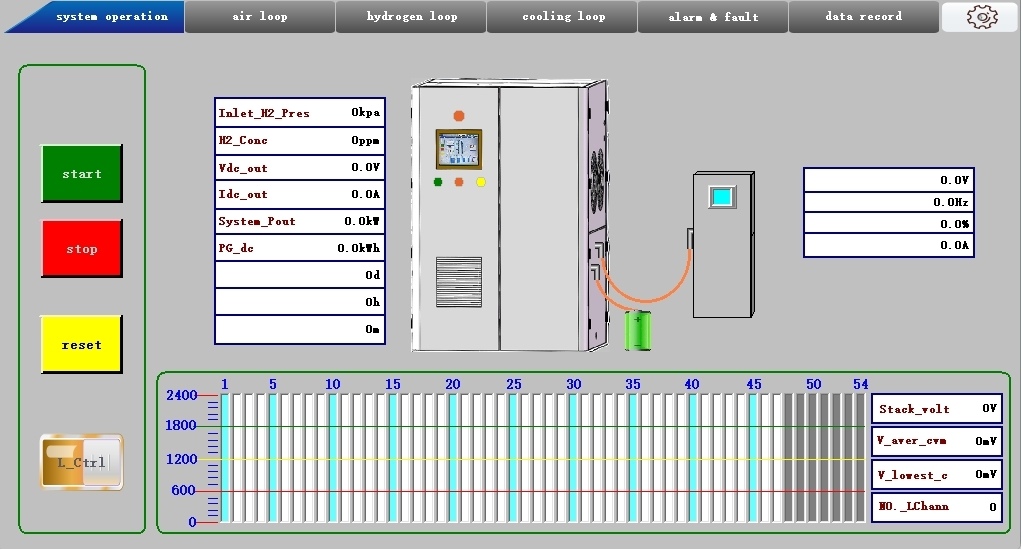
 The unit is equipped with an industrial-grade touchscreen display, eliminating the need for an external host computer. Six major functions—including equipment monitoring, parameter settings, manual debugging, and fault tracing—can be performed locally:

 Main Interface: Displays the equipment’s operating status (Running/Stopped/Fault Reset) and core parameters such as output power, voltage, current, hydrogen pressure, and cooling temperature.

 Air Circuit Page: Displays the operating status of the air compressor, fuel cell stack, DC-DC converter, and air control valve, including key parameters such as speed, power, and temperature.

 Hydrogen Circuit Page: Provides information on the status of the hydrogen inlet valve, proportional valve, purge valve (open/closed), and circulation pump.

 Cooling Circuit Page: Monitors the operating status of the cooling water pump (speed, pressure, and flow rate) as well as the radiator.

 Warnings and Faults Page: Displays the equipment’s historical fault records (fault codes, fault descriptions, and occurrence times) to facilitate troubleshooting and maintenance.

 Data Logging Page: Records various operational statuses of the system.

stationary fuel cell power generation equipment

The equipment supports manual control of operations such as startup, shutdown, purging, and hydrogen supply, making it suitable for use during commissioning and maintenance.


 4. On-Site Troubleshooting

 When a fault occurs during operation, the touchscreen interface automatically displays the fault code and description, enabling rapid troubleshooting and resolution; the equipment is equipped with a communication interface, and operational data can also be retrieved via this communication channel.

Fault Description

Possible Causes

Quick Fix

 High Anode Pressure Fault

 1. Malfunction of the external hydrogen pressure-reducing valve or failure of pressure stabilization;

 2. The hydrogen inlet solenoid valve does not close properly;
 3. Abnormal backpressure valve adjustment causing pressure buildup upstream;

 4. Hydrogen supply failed to adjust promptly due to sudden changes in load

 1. If the external hydrogen source is equipped with a pressure-regulating valve or pressure-reducing valve, re-calibrate or replace the hydrogen pressure-regulating valve or pressure-reducing valve;

 2. Check the sealing performance of the hydrogen solenoid valve; replace if defective;

 3. Fine-tune the backpressure valve opening to stabilize the pipeline pressure;

 4. Increase or decrease the load smoothly to match the hydrogen supply response

 Low Hydrogen Source Pressure Fault

 1. Insufficient pressure from the upstream hydrogen source;

 2. Leaks in the hydrogen piping or loose fittings;

 3. The pressure-reducing valve is stuck in the open position, causing restricted gas flow;

 4. Abnormal backpressure valve adjustment preventing hydrogen from flowing smoothly into the stack.

 1. Check the output pressure of the hydrogen cylinder or hydrogen supply equipment;

 2. Check for leaks and tighten pipe connections;

 3. Disassemble and clean the pressure-reducing valve spool, or replace the valve body;

 4. Check whether the backpressure valve is functioning properly.

High Hydrogen Concentration Malfunction

 1. Incomplete hydrogen purge and venting;

 2. The hydrogen concentration sensor has drifted and has not been calibrated;

 3. Gas leakage within the fuel cell or seal failure;

 4. Exhaust line blockage causing exhaust gas backflow

 1. Increase the purge frequency and duration;

 2. Recalibrate the hydrogen concentration sensor;

 3. Shut down the system to inspect the stack gaskets and end plate seals;

 4. Clear the hydrogen exhaust line to ensure unobstructed exhaust flow

 Air Compressor Malfunction

 1. Abnormal power supply to the air compressor, communication failure, or protection trip

 2. Air compressor overheating, insufficient coolant, water pump malfunction, or poor heat dissipation.

 3. Insufficient air flow due to a clogged air filter, air leaks in the piping, or abnormal rotational speed.

 1. Check whether the air compressor’s power supply is normal and verify that CAN communication is functioning properly.

 2. Check the operating status of the cooling system and radiator.

 3. Clean the filter element and check the air lines and speed feedback.

 Water pump flow rate is too low

 1. Water-cooling circulation pump failure or insufficient speed;

 2. Coolant lines are clogged or kinked, causing flow restriction;

 3. Significant air bubbles or air locks in the water circuit;

 4. Flow sensor is damaged / the throttle valve in the piping is partially closed

 1. Check the water pump’s power supply and drive; replace the water pump if necessary;

 2. Inspect the piping, clear blockages, and restore the pipe’s full cross-sectional area;

3. Open the bleed valve to force air out, then top off the coolant;

 4. Open the water circuit control valve and calibrate or replace the flow sensor

 Low Total Voltage Fault

 1. Insufficient hydrogen supply or low pressure

 2. Voltage drop due to excessive battery load

 3. Abnormal cell consistency or aging.

 4. High-power startup of the entire unit causes the bus voltage to drop

 1. Check whether the hydrogen supply pressure, pressure-reducing valve, and hydrogen piping are functioning normally and installed correctly.

 2. Reduce the system load and resume operation once the voltage has recovered.

 3. Inspect the battery and check for any abnormalities in its status.

 Low Voltage in Lowest Channel

 1. Insufficient system hydrogen supply

 2. Insufficient air supply

 3. Loose or faulty CVM sampling line

 4. CVM module communication or sampling failure

 5. CVM CAN bus communication line disconnection or abnormal terminating resistor;

 6. Damaged membrane electrode

 1. Check whether the pressure in the hydrogen and air lines is normal.

 2. Troubleshoot the CVM detection circuit.

 3. Check whether the CVM module is receiving power normally.

 4. Power off and restart the CVM module; if the issue persists, replace it;


 The safety design of the entire water-cooled, stationary PEMFC hydrogen-powered power generation system follows a four-tier logic comprising active protection, passive risk mitigation, intelligent monitoring, and rapid operation and maintenance, thereby ensuring safe, efficient, and sustainable power generation using hydrogen fuel cells. 

How to Choose High Quality Hydrogen Refueling Station Components Company?

As more and more folks are looking toward clean energy options, Hydrogen Refueling Station Components are becoming a pretty big deal in the jump toward hydrogen fuel tech. I mean, a recent report from the International Energy Agency mentioned that by 2030, we might be producing around 150 million tons of hydrogen worldwide. That kind of growth really highlights just how important it is to have reliable components that keep these refueling stations running smoothly and safely.


Picking the right company to supply these parts isn't just a small decision—it’s pretty much a game-changer. Experts warn that using subpar components could cause costly downtimes or even safety hazards, which nobody wants. Big names like Air Liquide and Nel Hydrogen have earned their stripes through innovative tech and solid quality, but honestly, anyone looking to buy should really do their homework. It’s not just about reputation; it’s about making sure their needs and expectations match up.


And let’s be real—this isn’t something to take lightly. A McKinsey report even suggested that if the stations don’t work well, it could really put a dent in the hydrogen economy. So, finding the right manufacturer isn’t just a quick decision; it’s about weighing the options carefully and making sure that quality and reliability are at the top of that list.

Hydrogen Refueling Station


Understanding the Importance of Quality Components in Hydrogen Refueling Stations

When considering hydrogen refueling stations, the quality of components is vital. Quality components ensure safety and efficiency. A reliable fueling station needs valves, pumps, and compressors that can withstand high pressure and corrosive environments. Subpar materials can lead to failures. This could cause leaks, posing serious safety risks.


Experience is essential in selecting suppliers. Examine their track record in the industry. A company with a history of durable products is worth consideration. Ask for case studies or references. Review their testing processes. Certifications and quality control measures offer insights into their commitment to excellence.


In hydrogen fueling technology, innovation is constant. Not all companies adapt quickly. Scrutinize their research and development efforts. A company that invests in new technologies is more likely to provide better solutions. Lastly, trust your instincts. If a proposal seems too good to be true, dig deeper. Quality should be non-negotiable in this crucial industry.

How to Choose High Quality Hydrogen Refueling Station Components Company?

Component Type Quality Rating (1-5) Material Used Compliance Standards Warranty Period
Compression Unit 4 Aluminum Alloy ISO 9001 5 Years
Storage Tank 5 Carbon Steel ASME 10 Years
Dispenser 3 Stainless Steel UL Listed 3 Years
Control System 4 Polycarbonate CE Mark 5 Years
Piping System 5 High-Density Polyethylene DNV GL 8 Years


Key Factors to Consider When Selecting Component Suppliers

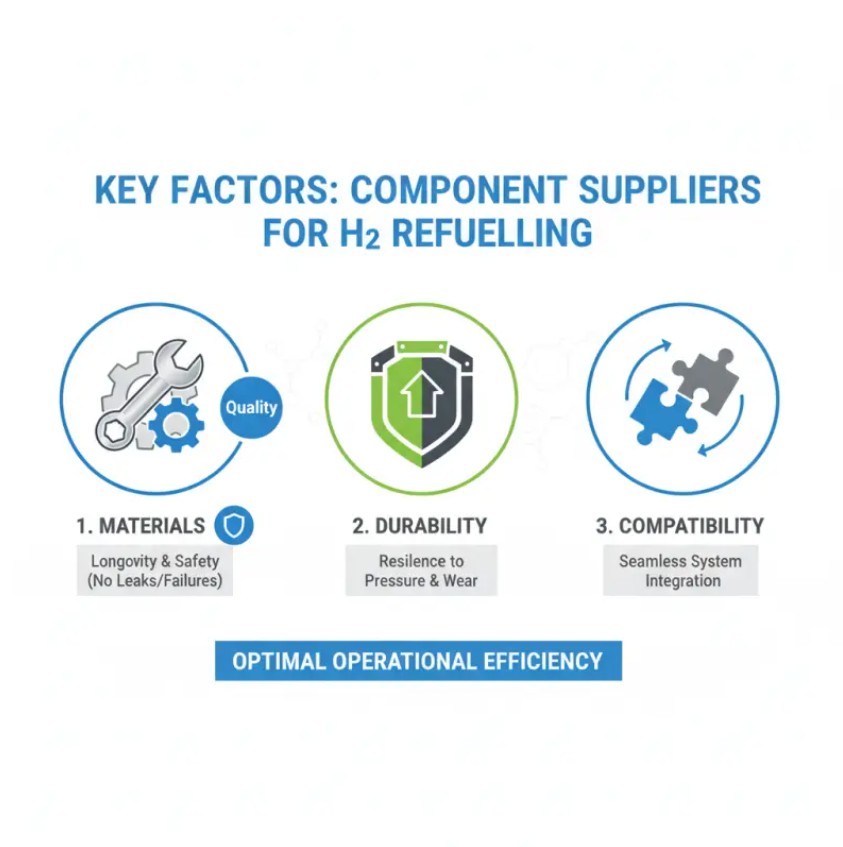
Hydrogen Refueling StationChoosing the right components for hydrogen refueling stations is vital for operational efficiency. Factors such as materials, durability, and compatibility matter significantly. Quality materials contribute to the longevity of the station. They ensure safety, preventing leaks or failures.


Evaluate the suppliers' experience in the hydrogen sector. A company with extensive experience understands industry challenges. They can provide tailored solutions that enhance performance. Communication also plays a crucial role. Frequent dialogue fosters trust and transparency. It allows for smoother project execution.


Certifications and industry standards are non-negotiable. Reliable suppliers adhere to safety regulations. However, not all certifications guarantee quality. Conduct thorough research to understand their significance. Talk to industry experts for insights. Additionally, observe their customer service. A quick response to inquiries indicates commitment to client satisfaction. Don't overlook these elements when making your choice.


Evaluating Supplier Experience and Reputation in the Hydrogen Industry

In the hydrogen industry, supplier experience plays a crucial role. A company with a long history of successful projects often indicates reliability and expertise. Look for suppliers who have worked with various clients and can demonstrate a range of successful installations. Their experience can reflect their understanding of industry standards and regulations, essential for ensuring safety and efficiency in your hydrogen refueling station.

When evaluating a supplier's reputation, customer reviews and industry feedback are invaluable. Seek out testimonials from past clients. Positive feedback can provide insight into the supplier's reliability and product quality. However, be mindful of biased reviews and look for patterns in feedback. These patterns can reveal strengths and weaknesses.

Tips: Always conduct a background check on potential suppliers. This research can highlight their influence in the industry. Consider their partnerships and collaborations as signs of trust. Moreover, don't hesitate to engage in conversations with previous clients. Understanding their experiences can lead you to better decisions. Making informed choices means actively seeking information, not just relying on surface-level data. This approach can save you from costly mistakes in the future.


Assessing Technical Specifications and Compliance Standards

When selecting a company for hydrogen refueling station components, it's vital to assess technical specifications. Look for detailed documentation that outlines material quality and safety protocols. Important factors include durability, pressure ratings, and compatibility. These details ensure that components can withstand the rigorous demands of hydrogen fueling.


Compliance with industry standards is another critical factor. Check if the company adheres to recognized safety and performance standards. Verification of certifications, such as those from regulatory bodies, is essential. This practice not only boosts confidence but also assures that components are reliable.


Sometimes, companies may present elaborate specifications. However, clarity and transparency are often overlooked. Be cautious of overly complex documents. Engage with experts to understand what these specifications entail. Ask questions to eliminate any doubts. Understanding how a component performs under various conditions is crucial for long-term reliability.


Comparing Pricing and Value for High-Quality Components

Selecting high-quality components for hydrogen refueling stations is crucial. The primary focus should be on balancing pricing with value. Quality often correlates with price, but it’s essential to do your research. Component longevity can save costs over time.

Tips: Consider maintenance costs and component reliability. Cheaper components may require more frequent replacements. Evaluate warranties carefully. A longer warranty often indicates confidence in product durability.

Understand vendor reputation through industry evaluations. Reliable suppliers often have industry certifications. These certifications reflect their adherence to quality standards. However, watch out for overly optimistic reviews; they may lack authenticity.

Gather quotes from multiple suppliers. This helps in comparing features and prices. Sometimes, a higher initial cost can lead to better performance and efficiency. Analyze each quote in detail. Don’t overlook the fine print, as it can reveal hidden costs or conditions.


Importance of After-Sales Support and Maintenance Services

When selecting a high-quality hydrogen refueling station components company, after-sales support and maintenance services are crucial. A well-supported component can ensure longevity and efficiency. According to recent industry reports, maintenance-related issues account for 35% of operational downtimes in hydrogen stations. This data highlights the need for reliable service agreements.

Tip: Always assess the maintenance services offered before making a decision. A company that provides timely support can save you costs in the long run.

Having access to trained technicians can prevent unexpected failures. In a sector where downtime can impact refueling capabilities, professional support gives peace of mind. The lack of proper services can lead not only to financial losses but also to reputational damage. Companies should ensure that training sessions for staff are included in their contracts.

Tip: Review customer feedback on after-sales support. A company with a strong track record will usually have testimonials showcasing their reliability.

Your choice matters. The right after-sales support can make a difference in operational efficiency. Yet, many organizations overlook this aspect, risking expensive repairs and delays. It’s essential to prioritize this element to safeguard investments in hydrogen technology.


Networking and Gathering Recommendations from Industry Professionals

When selecting a high-quality hydrogen refueling station components company, networking is essential. Industry professionals can provide valuable insights. According to a recent report from the Hydrogen Council, over 50% of industry stakeholders rely on recommendations from peer networks. Engaging in these networks can help you identify trusted suppliers.

Building relationships with professionals at trade shows or conferences allows for firsthand insights. Conversations often reveal which companies consistently deliver quality products. Moreover, you can gain information about industry trends that impact component quality. A survey found that 70% of professionals feel more confident in their choices when they have a supportive network.

Tip: Attend industry events to connect with experts. Your network can help navigate challenges in selecting components. Always ask for specific examples of successful projects. This provides a clearer picture of a company’s capabilities.

Regular discussions with your network are crucial. They can highlight red flags about potential suppliers. Consider creating a dedicated forum or group to share experiences. Transparency within your network encourages learning and improvement, leading to better decision-making in your component choices.


Conclusion

Choosing high-quality Hydrogen Refueling Station Components is crucial for ensuring the efficiency and safety of hydrogen fuel infrastructure. The importance of quality components cannot be overstated, as they directly impact the performance and longevity of the refueling stations. When selecting component suppliers, it's essential to consider key factors such as their experience and reputation in the hydrogen industry, along with their commitment to adhering to technical specifications and compliance standards.

Additionally, pricing should align with the overall value offered, where high-quality components can justify a higher initial investment through improved reliability and efficiency. After-sales support and maintenance services also play a vital role in sustaining operations. Networking with industry professionals and gathering recommendations can further guide in selecting the best suppliers, ensuring that all components meet the rigorous demands of the hydrogen refueling sector.


FAQ

Why is supplier experience important in the hydrogen industry?

Supplier experience indicates reliability and expertise, essential for successful installations.


How can I evaluate a supplier's reputation?

Look for customer reviews and industry feedback, but be cautious of biased opinions.


What should I do to ensure informed decision-making?

Conduct background checks and engage with previous clients to gather insights.


How do I balance pricing and value for components?

Research the quality of components as good longevity can reduce costs over time.


What maintenance considerations should I evaluate?

Cheaper components may have higher maintenance requirements and need more replacements.


How should I view warranties for components?

Longer warranties often indicate greater confidence in product durability and reliability.


What role do industry certifications play?

Certifications reflect adherence to quality standards and enhance supplier credibility.


How can I effectively compare supplier quotes?

Gather quotes from multiple suppliers and analyze features and prices in detail.


What common pitfalls should I avoid when evaluating suppliers?

Watch out for overly optimistic reviews that may not reflect genuine experiences.


How important is supplier collaboration in assessing trust?

Partnerships and collaborations can indicate a supplier's influence and reliability in the industry.


How to Determine RO Membrane Replacement Criteria and One-Stop Replacement Solutions?

According to the International Desalination Association (IDRA) Desalination & Reuse Handbook (2024–2025), there are currently approximately 23,000 seawater desalination plants worldwide, with a total capacity of 98.98 million m³/day, meeting the water needs of about 300 million people. Other industry data shows that in 2022, the global number of desalination plants had already reached 22,757. Reverse osmosis (RO) technology dominates the sector, accounting for 75% of the global desalination market in 2025. Beyond seawater desalination, the stock of membrane-based water treatment projects in industrial pure water, water reuse, and municipal water treatment is even larger. The global RO equipment market is expected to exceed US$12 billion in 2025. The total number of MBR membrane bioreactor projects worldwide has surpassed 3,400, nearly doubling since 2020.


Currently, global water treatment projects are entering a centralized operation and maintenance phase following large-scale commissioning. The period from 2018 to 2021 saw a peak in the installation of internationally branded RO membranes (Dow, Hydranautics, Toray, Saehan, etc.), with a large number of projects being completed and put into operation during this time. Taking the East Asian market as an example, the design life of internationally branded RO membranes is typically 3–5 years, provided that the feed water quality meets standards (SDI ≤ 3, residual chlorine < 0.1 mg/L, etc.). In industrial applications, membrane elements are generally replaced every 1–2 years. For water treatment projects with a capacity of over 10,000 tons per day, membrane replacement is required every 3–5 years. Some coastal regions in China have already entered a large-scale membrane replacement cycle. The Middle East, Europe, and the Americas are also facing similar concentrated replacement demand.


Based on comprehensive estimates, RO membrane projects using international brands installed between 2018 and 2021 have now fully entered the replacement window. These projects cover both seawater desalination and industrial/municipal sectors.


Seawater desalination sector: Among approximately 23,000 seawater desalination plants worldwide, RO technology accounts for 75%, meaning that more than 17,000 plants are equipped with RO membrane systems. Among these, RO desalination projects that were newly built or expanded between 2018 and 2021 are now entering a concentrated membrane replacement cycle.


Industrial and municipal sectors: Tens of thousands of RO systems worldwide for industrial pure water, water reuse, and municipal water treatment are also facing replacement demand.


According to industry research, approximately one-fifth of membrane water treatment users globally face the need for membrane retirement and replacement each year. Given the concentrated peak installations from 2018–2021, the proportion of projects entering replacement cycles in 2025–2026 is expected to far exceed this average, with some regions (such as coastal China) already clearly in a "large-scale membrane replacement cycle."


The global membrane system replacement service market reached US$18.74 billion in 2025, a year-on-year increase of 9.2%. The membrane system retrofitting and upgrade market was valued at US$1.93 billion, with an expected compound annual growth rate of 8%. Other studies estimate that more than 2 million RO membranes will be scrapped globally each year by 2025 – these figures indirectly confirm the enormous scale of replacement demand.


Behind this large-scale replacement demand lies the core pain points described in this article: high barriers to original equipment manufacturer (OEM) RO membrane maintenance, OEM parts monopolies, long cross-border replacement lead times, and persistently high long-term operation and maintenance costs. The world's top five membrane suppliers collectively hold a 71.5% market share, and this highly concentrated supply structure exacerbates the operational difficulties faced by end users. In 2025, approximately 41% of replacement service contracts have shifted to models such as "pay-per-volume treated" or "asset performance guarantees," reflecting the market's urgent need for cost-effective operation and maintenance solutions.


Compared with generic compatible membrane elements, original imported membranes have highly exclusive maintenance and replacement requirements, with numerous operational restrictions:


Closed-loop membrane fault repair with extremely low on-site feasibility:International-brand polyamide RO membranes have proprietary coating, adhesive sealing processes, and internal structures that are fully enclosed and protected by the original manufacturer. Standard global cleaning chemicals and off-line refurbishment equipment are not compatible with the original membrane structure, making routine fault repair extremely difficult:


(1) Limited restoration of scaling and biofouling:


Under conditions of high-hardness surface water, coastal high-salinity raw water, or biochemical reuse wastewater, the membrane surface is highly susceptible to biological slime, inorganic scale, colloids, and oil fouling. Original brand proprietary cleaning chemicals are priced at a premium, with high local procurement costs overseas. If third-party compliant cleaning agents are used, they can easily damage the proprietary anti-fouling coating on the membrane surface, resulting in permanent loss of salt rejection. Measured operational data shows that after non-OEM compliant cleaning, the salt rejection of original membranes can drop from the standard 99.4% to below 85%, rendering them essentially useless.


(2) Physical damage cannot be repaired through component replacement:


Water hammer, pretreatment filtration failure, scratches on the membrane surface from hard particulates, and aging/leakage of end seals are common hardware failures for original imported membranes. All major international brands use integrated sealed packaging processes. The membrane leaf, internal feed spacer, end adapters, and pressure end caps cannot be separately disassembled and replaced. The OEM only provides complete element replacement services – even for minor end damage or seal failures, the entire element must be scrapped and replaced, resulting in very low fault tolerance for repairs.


(3) Chemical corrosion repair requires factory return:


Original imported membranes have a fixed pH tolerance range with low fault tolerance. On-site non-standard acid or alkaline cleaning can cause membrane layer swelling, delamination, or rupture. Local third-party maintenance providers overseas do not have the restoration techniques – the only option is to return the membrane to the OEM's overseas factory for repair. The round-trip logistics and inspection/repair timeline takes 2–3 months, directly causing prolonged system shutdowns at the plant.

When any of the following types of irreversible faults occur in membrane elements, and performance cannot be restored through off-line chemical cleaning or pretreatment optimization alone, complete membrane element replacement is recommended. The criteria fall into three categories: performance degradation, physical structural damage, and operational economics.


(I) Continuous performance deterioration with no recovery after cleaning


Significant salt rejection decline: After correction under standard conditions (25°C, rated operating pressure, fixed recovery rate), salt rejection drops by more than 10%–15% from the initial value of new membranes, with product water TDS and conductivity exceeding limits for extended periods. After 2–3 rounds of standard acid, alkaline, and biological cleaning, salt rejection cannot be restored to the acceptable production range (for conventional industrial membranes, salt rejection below 85% generally renders them useless).

Irreversible permeate flux decline: Under the same operating parameters, system permeate flow drops by 15%–20% compared to new membranes. After excluding external factors such as cartridge filter blockage, low feed water temperature, or insufficient pressure, flow may temporarily recover after cleaning but quickly declines again – indicating compaction of the membrane active layer and permanent blockage of internal flow channels.

Persistent high differential pressure: The inter-vessel differential pressure or overall system differential pressure increases by more than 50% compared to new membranes, resulting in significantly higher energy consumption due to frequent high-pressure operation. After cleaning, the pressure drop reduction is less than 30%, meaning that inorganic scale, colloids, and biofilms have become deeply embedded in the membrane's internal feed spacer layer and cannot be thoroughly removed.

Loss of cleaning frequency control: Routine cleaning intervals that were originally 3–6 months are shortened to monthly or even bi-weekly chemical cleaning. The escalating costs of chemicals, labor, and downtime make long-term operation economically unsustainable.


(II) Irreversible physical/chemical damage with no possibility of repair

Membrane surface scratched by hard particulates, oxidation/hydrolysis, or acid/alkaline corrosion leading to delamination, resulting in persistent turbidity and particulate contamination in the product water. Center tube fracture, membrane roll deformation (telescoping), or seal leakage that cannot be individually repaired. Permanent destruction of the polyamide active layer due to prolonged chlorine exposure exceeding limits or extreme pH operation – no recovery process exists.


(III) Preventive replacement conditions (to avoid unplanned shutdowns)

Membrane elements have been in operation for 3–5 years (5–8 years for seawater desalination membranes), reaching their design service life, with performance entering a rapid decline phase. The original imported brand model has been globally discontinued, with no OEM spare parts or technical support available, making future faults unrepairable.

For older systems with frequent individual membrane failures, partial replacement with mixed new and old membranes can cause hydraulic imbalance, accelerating the scrapping of the entire membrane train. Batch replacement of the entire set is recommended. For overseas installed base of imported membranes from Dow, Hydranautics, Toray, Saehan, and other brands, our company provides a full one-stop service covering pre-sales diagnostics, membrane supply, long-term maintenance, and system retrofitting – meeting the full lifecycle needs of overseas projects:


1. Pre-sales technical diagnostics and solution customization services

●Remote comprehensive water quality testing (TDS, hardness, COD, ammonia nitrogen, turbidity, SDI), combined with on-site operating differential pressure, permeate flow, and salt rejection data, to issue a membrane life assessment report.

●Equivalent replacement selection for old imported membrane models: match replacement membranes of the same size, flow rate, and salt rejection specifications based on the original membrane dimensions, distinguishing between brackish water, anti-fouling, seawater desalination, and low-pressure specialty membranes, providing a side-by-side performance comparison.

●Project operating condition optimization: adjust recovery rate, chemical dosing, and pretreatment processes to extend the service life of existing imported membranes and defer replacement investment.


2. Global supply of full-specification membrane elements

●Our company's stock of equivalent replacement membranes is available off-the-shelf.

●Standard 4040/8040 universal specifications are maintained in inventory. For specialty or discontinued non-standard models, custom production can be arranged. Support for full-container cross-border export, including customs declaration, shipping, and complete export documentation.

●Simultaneous supply of all supporting consumables: FRP vessel end caps, O-rings, connectors, specialty cleaning chemicals, antiscalants, and cartridge filter elements – enabling one-stop consumables procurement.


3. Specialized membrane cleaning, maintenance, and life-extension services

●Equipped with large-scale off-line membrane cleaning equipment for segmented chemical cleaning and physical flushing of repairable imported membranes to remove inorganic scale, biological slime, and colloidal fouling.

●Provide remote 24/7 technical support, with online guidance for overseas operation and maintenance personnel to independently perform routine flushing and simple chemical cleaning procedures.


4. Long-term after-sales and technical training services

●Global membrane element warranty service, including cross-border fault replacement and technical claims for performance abnormalities.

●Online hands-on training for overseas O&M teams: complete standardized courses on membrane disassembly/assembly, fault diagnosis, chemical cleaning, and routine operation management.

●Long-term O&M outsourcing services: annual maintenance agreements covering regular consumables supply, on-site inspections, and annual operation optimization reports.


FAQ:

Who are we?
We are based in Anhui, China, start from 2011,sell to Southeast Asia,North America,Eastern Europe,South Asia.


Can you customize the rated power or voltage?
Yes, customizing products is acceptable.


Can your company provide whole system(fuel cell, Hydrogen production, hydrogen storage, hydrogen supply system)?
Yes, we can provide necessary accessories accordingly.


Why should you buy from us not from other suppliers?
We have an experienced professional technical research and development team. Control system matching ability/R&D and quality control ability. Price advantage brought by supply chain integration capabilities.