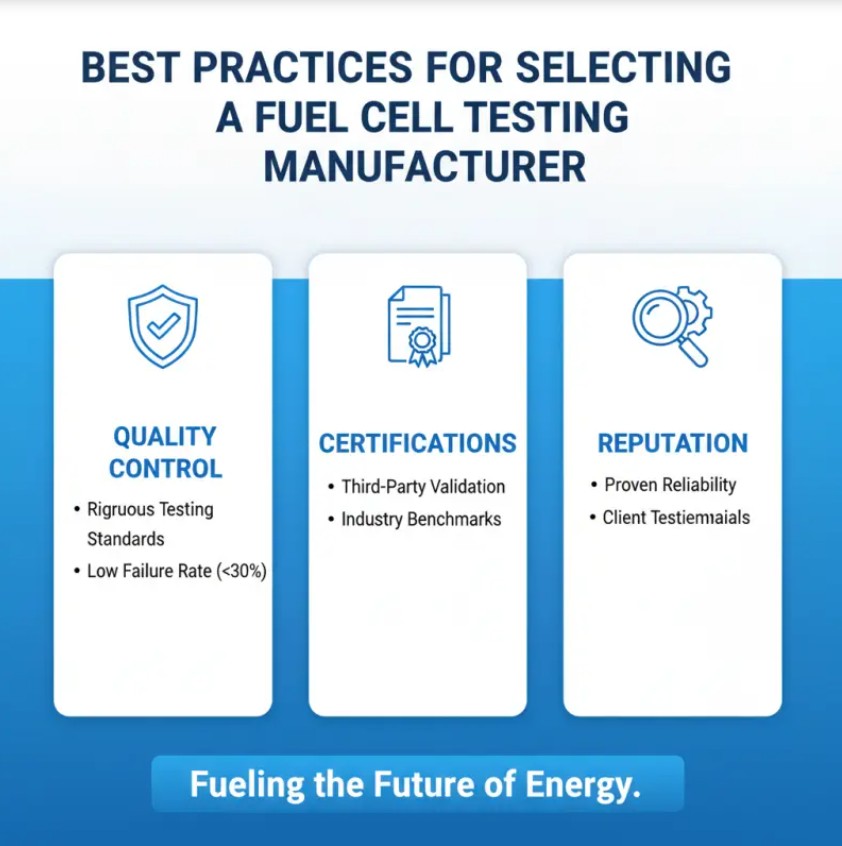
Picking the right supplier for chlor-alkali membrane cells in China is a pretty big deal if you're serious about your business’s success. As industry expert Dr. Li Wei puts it, ‘Choosing a trustworthy supplier really affects both how efficient you are and how much you’re gonna spend.’ With the demand for chlorine and caustic soda just climbing, companies really need to pay attention to quality and service — it’s not just about prices anymore.
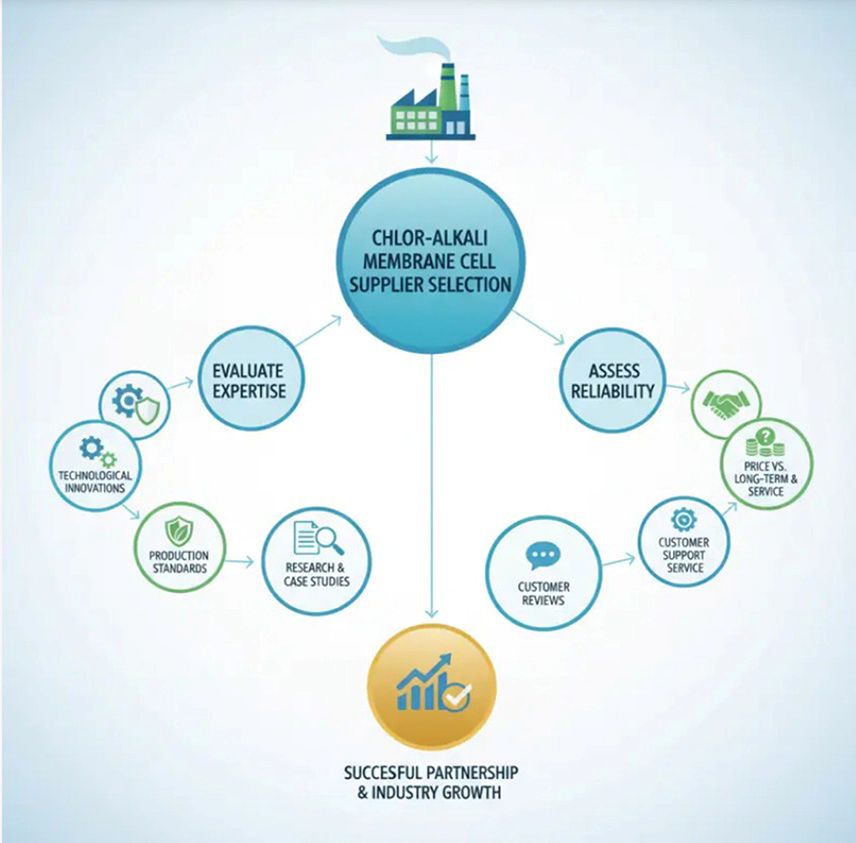
Getting it right means doing your homework on potential suppliers. You gotta dig into their tech innovations and how they keep their standards high. Look for companies that focus on quality assurance and sustainability — those are usually the ones you can count on. For example, Anhui Jianghuai Water Treatment Technology Co., Ltd. has been making some impressive progress, but remember, not every supplier on the market guarantees top-notch quality.
Be cautious about some of the more uncertain players. Sure, they might be offering cheaper prices now, but that doesn’t always mean they’re reliable in the long run. It’s a good idea to check out reviews, case studies, and customer support — these can really give you a clearer picture of what you’re dealing with. Finding the best “China’s top chlor-alkali membrane cell supplier” isn’t exactly a walk in the park, but with a bit of effort, the payoff can be huge.
Understanding Chlor-Alkali Membrane Cell Technology and Its Applications
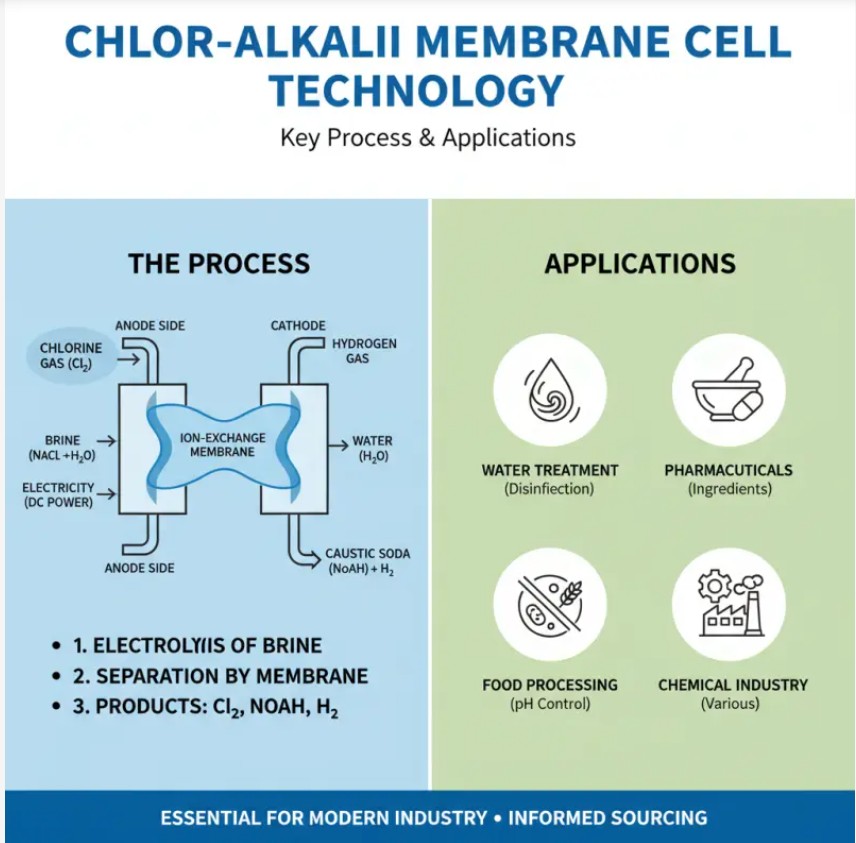
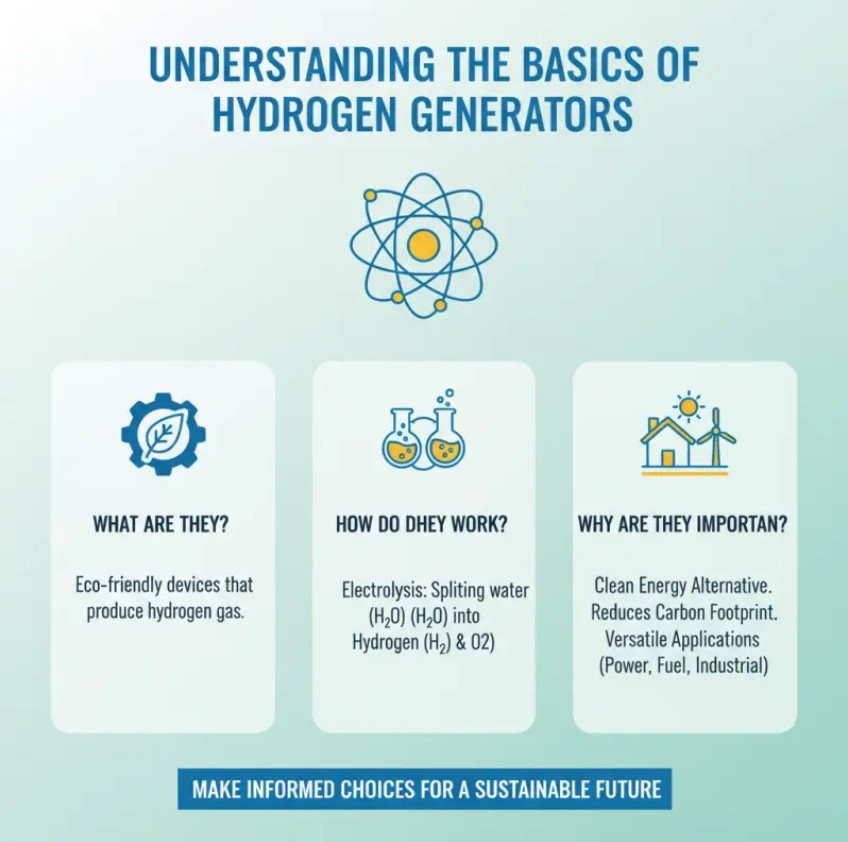
Chlor-alkali membrane cell technology plays a crucial role in producing chlorine, caustic soda, and hydrogen using electrolysis. This process occurs in a cell that separates these products with a membrane. The technology is essential for various industries, including water treatment, pharmaceuticals, and food processing. Understanding this technology can help businesses make informed decisions when selecting suppliers.
Choosing the right supplier involves evaluating their experience in membrane cell technology. A supplier with years of expertise will likely understand the complexities of your requirements. Additionally, reliable suppliers offer comprehensive support during installation and maintenance. They should provide clear documentation and training services to ensure optimal operation.
Tips: Look for suppliers with proven track records. Customer reviews can offer insights into their reliability. Also, consider suppliers who can customize solutions based on your specific needs. It's beneficial to request references from current clients to gauge satisfaction levels.
It's essential to be mindful of the evolving nature of technology in this field. Some suppliers might not keep up with advancements. A thorough assessment of their technologies and innovations can reveal their commitment to quality. Remember, selecting a supplier isn't just about cost; it's about finding a partner in your business's growth and sustainability.
Identifying Key Criteria for Selecting a Chlor-Alkali Membrane Cell Supplier
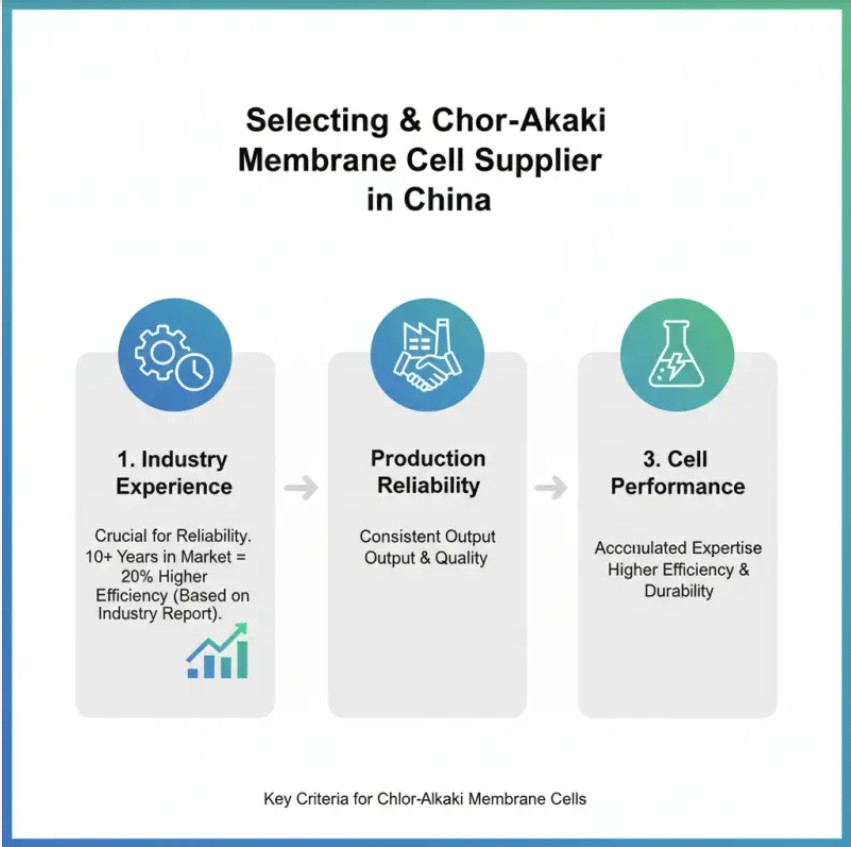
When selecting a chlor-alkali membrane cell supplier in China, several key criteria should be considered. The supplier's industry experience is paramount. Companies with a robust track record often demonstrate reliability in production. According to a recent industry report, suppliers that have been in the market for over a decade typically show a 20% higher efficiency in cell performance due to accumulated expertise.
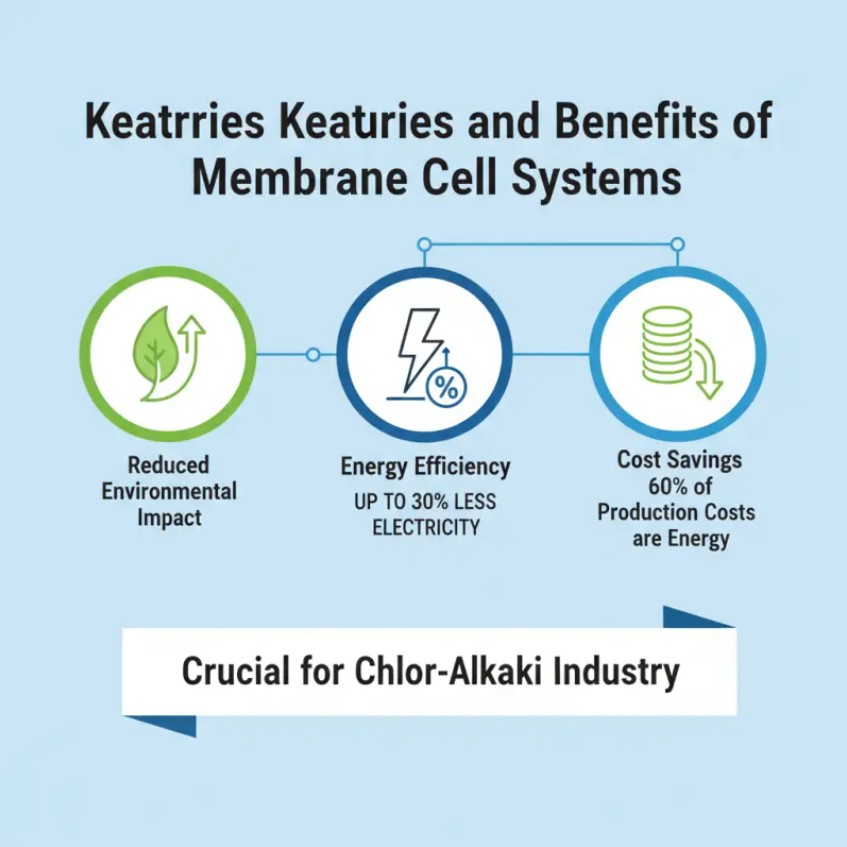
Next, assess the technology and materials used by potential suppliers. Advanced membrane technology significantly impacts the overall production efficiency. A study indicated that high-quality membranes can reduce energy consumption by up to 30%. Additionally, inquire about the sourcing of raw materials. Suppliers that prioritize sustainable practices often yield better long-term outcomes.
Moreover, customer support and service play a crucial role. Suppliers with responsive and knowledgeable customer service can help resolve issues promptly, ensuring minimal downtime. Feedback from industry peers can provide insights into a supplier's responsiveness. It’s also wise to consider their certifications and compliance with international standards. A lack of proper certifications might raise concerns about their manufacturing practices and safety standards.
Evaluating Supplier Experience and Industry Reputation in China
When selecting a chlor-alkali membrane cell supplier in China, evaluating supplier experience is vital. A supplier with years of industry presence often possesses valuable insights into technology and market trends. Look for companies that have successfully completed projects similar to yours. This experience can ensure that they understand your specific requirements.
Supplier reputation is equally important. Research their history and customer feedback. Client testimonials can offer a glimpse into their reliability and quality of service. Suppliers with a good reputation are more likely to provide high-quality membranes and maintain strong relationships.
Tips for choosing a supplier:
- Request case studies showcasing past projects.
- Attend industry trade shows to meet suppliers in person.
- Utilize online platforms to compare reviews and ratings.
These steps can help uncover suppliers who may not be as well-known but offer exceptional value. Remember, not all suppliers are equal. Some might have flashy marketing but lack real-world results. Focus on finding a partner that aligns with your long-term goals.
Comparing Production Capabilities and Technology of Potential Suppliers
Choosing a chlor-alkali membrane cell supplier in China requires a detailed look into their production capabilities and technology. Production capacity is a significant factor. Suppliers should ideally demonstrate robust production lines that ensure efficiency and scalability. It’s essential to investigate the technology they use. Advanced technologies typically lead to improved energy efficiency and product quality.
Quality control processes are equally crucial. A supplier with rigorous testing standards can prevent costly errors in production. It is vital to review their experience in the industry. Experienced suppliers can better navigate challenges and provide reliable solutions. Customer feedback can also offer insights into the supplier's operational strengths and weaknesses.
Consider the sustainability practices of each supplier. Environmentally friendly production methods should be prioritized. Sustainability is increasingly becoming a vital factor in choosing a supplier. Some suppliers may not offer complete transparency in their practices. This lack of information can be a red flag. Evaluating their commitment to innovation is also important. Suppliers who invest in research tend to stay ahead of the competition, which can lead to better products in the long run.
Assessing Quality Standards and Regulatory Compliance in Manufacturing
When selecting a chlor-alkali membrane cell supplier in China, quality standards and regulatory compliance are critical factors. The chlor-alkali process is vital for producing chlorine and sodium hydroxide. Adhering to stringent quality standards ensures efficient production and safety. The ISO 9001 standard is commonly recognized, ensuring that manufacturers maintain rigorous quality control processes. According to a recent industry report, over 70% of top suppliers are ISO certified, reflecting their commitment to quality.
Choosing a supplier compliant with local regulations can save time and costs. Regulatory bodies, such as the China National Standardization Administration, enforce strict manufacturing guidelines. Suppliers must demonstrate environmental compliance and worker safety adherence. The Global Industry Analysts report indicates that 62% of manufacturers face scrutiny during compliance checks. This highlights the importance of partnering with a diligent supplier.
Tip: Always request certifications and inspect compliance records before finalizing a supplier.
Another consideration is the supplier’s experience. An established supplier has navigated various challenges, ensuring reliability. New companies may lack the track record necessary to handle potential production issues. A study shows that suppliers with more than ten years in the industry have a 40% lower failure rate in meeting delivery timelines.
Tip: Evaluate the supplier's history and client feedback thoroughly.
Analyzing Customer Support and After-Sales Service Offered by Suppliers
When selecting a chlor-alkali membrane cell supplier in China, customer support and after-sales service play vital roles. According to market research, suppliers with robust customer service protocols can improve client satisfaction by 30%. Support includes prompt responses to inquiries and troubleshooting issues that arise during operation.
After-sales service is equally crucial. Suppliers committed to maintenance and technical assistance often report lower client turnover. A study indicated that companies offering yearly maintenance visits saw a 25% higher retention rate among clients. Investigating a supplier's reputation for reliability and proactive service can save significant costs in the long run. Insufficient support can lead to prolonged downtimes and inefficiencies.
Many suppliers claim high-quality after-sales service, but discrepancies often exist. Some companies struggle to meet service-level agreements. Evaluating reviews and case studies can provide insights into actual service performance. Focusing on responsiveness and technical expertise helps make informed decisions. Reliable support translates into operational success, emphasizing the need for a thoughtful selection process.
Investigating Pricing Models and Total Cost of Ownership for Membrane Cells
When evaluating chlor-alkali membrane cell suppliers in China, understanding pricing models is crucial. Many suppliers offer tiered pricing based on order volume. Bulk orders can significantly reduce the per-unit cost. However, the total cost of ownership (TCO) often goes beyond the initial price. Maintenance, energy consumption, and lifespan should all be considered to obtain a clearer financial picture.
A recent industry study highlighted that the operational costs associated with membrane cells can account for up to 70% of TCO. Energy efficiency varies among suppliers, directly impacting long-term expenses. Some companies offer advanced membrane technology that reduces energy consumption by up to 30%. Meanwhile, lower upfront costs might lead to higher operational expenses if the membranes degrade quickly.
Supplier reliability also plays a role in long-term costs. Frequent breakdowns can interrupt production and increase repair expenses. A mix of quality and affordability is essential. Research indicates that investing slightly more in a high-quality membrane can lead to savings over time. It’s crucial to balance initial costs with potential operational losses due to subpar performance. Always assess warranties and support services when considering options.
Conclusion
Choosing the China Best Chlor-Alkali Membrane Cell Supplier requires an in-depth understanding of the technology and its various applications. Key criteria for selection include evaluating the supplier's experience, industry reputation, and production capabilities. It is essential to assess the technology and quality standards each supplier adheres to, as well as their regulatory compliance in manufacturing processes. Furthermore, evaluating the customer support and after-sales services they offer contributes significantly to long-term satisfaction.
Additionally, investigating the pricing models and total cost of ownership will help ensure a financially sound decision. Comparing all these factors will enable businesses to select a supplier that not only meets their technical requirements but also aligns with their operational goals, ultimately leading to successful and sustainable production outcomes.
FAQS:
What is chlor-alkali membrane cell technology?
It produces chlorine, caustic soda, and hydrogen through electrolysis using a separating membrane.
How can I choose the right supplier for membrane cell technology?
Evaluate their industry experience and support during installation and maintenance.
Why is a supplier's experience important?
Experienced suppliers usually understand complex requirements and have a proven track record.
What role does technology play in selecting a supplier?
Advanced membrane technology can improve production efficiency and reduce energy costs.
How can customer support impact supplier selection?
Responsive customer service ensures quick issue resolution and minimizes downtime.
What should I consider regarding sustainability in suppliers?
Suppliers focusing on sustainable practices often contribute to better long-term outcomes.
Why are certifications important for suppliers?
Certifications ensure compliance with safety standards and quality manufacturing practices.
How can I assess a supplier's reputation?
Research their client testimonials and feedback to understand their reliability and service quality.
What if a supplier has flashy marketing but lacks results?
Focus on their actual performance history and project outcomes to gauge their true capability.
Should I consider customizing solutions from suppliers?
Yes, suppliers who can tailor their offerings may better meet your specific needs.