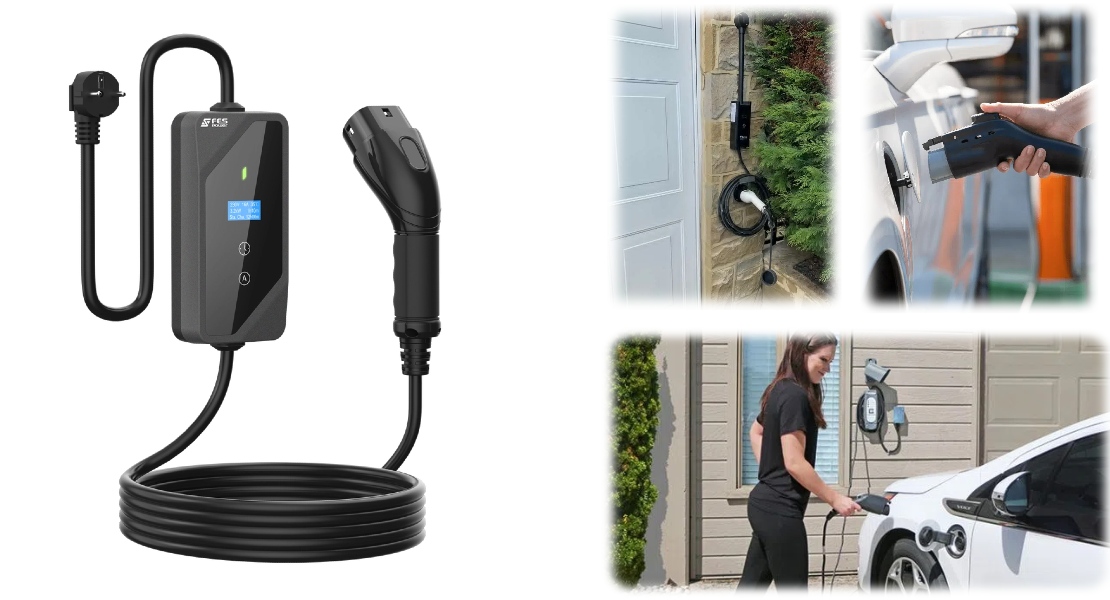
Want to Save Big on EV Charging?

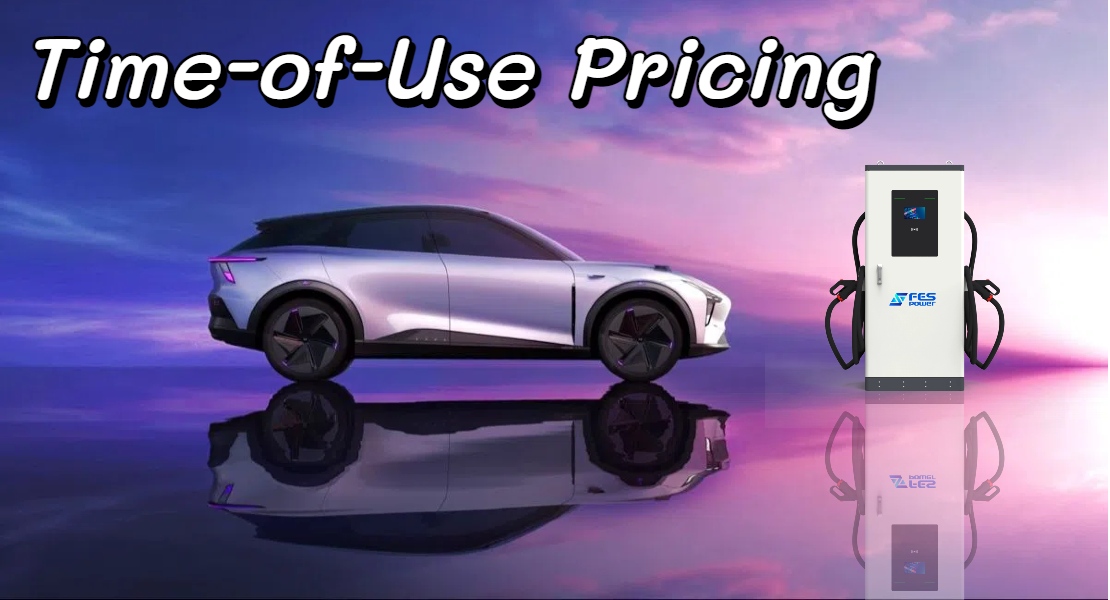
As electric vehicles gain global popularity, charging costs have become a key concern for both individual owners and commercial operators. By 2024, China alone had over 30 million new energy vehicles, making electricity expenses unavoidable. Time-of-Use (TOU) Pricing – a dynamic system tied to grid demand – splits the day into peak, flat, and off-peak periods. Prices rise during peak hours to ease grid strain and drop significantly during off-peak times, with peak rates reaching up to three times off-peak levels in some cities. This difference creates major savings opportunities.
🔋TOU Pricing not only optimizes power allocation but also cuts costs: industry data shows individual owners can reduce annual charging expenses by 20%-35%, while commercial operators save 15%-25% through large-scale off-peak charging. As a leader in new energy charging, our smart products fully support TOU adaptation, helping users balance green energy use with cost savings worldwide.
💵The logic is simple: use low off-peak grid prices (e.g., 23:00-07:00) to auto-adjust charging times, avoiding high peak rates. This saves money for individual owners and delivers long-term cost reductions for commercial scenarios like charging networks and corporate fleets.
💥Key advantage: our top EV charging products all support TOU settings for diverse needs:

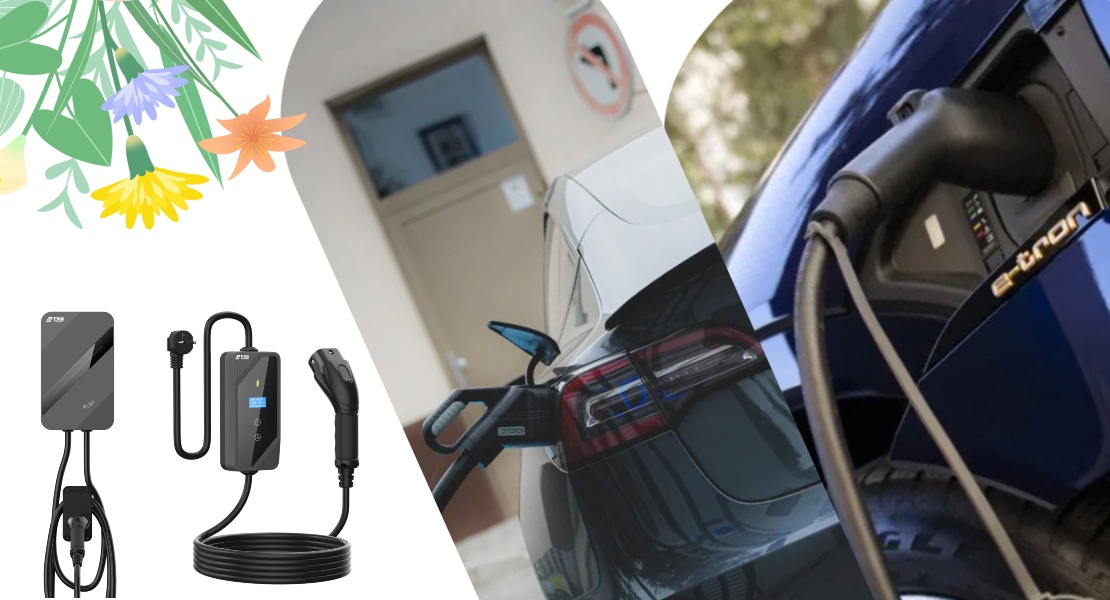
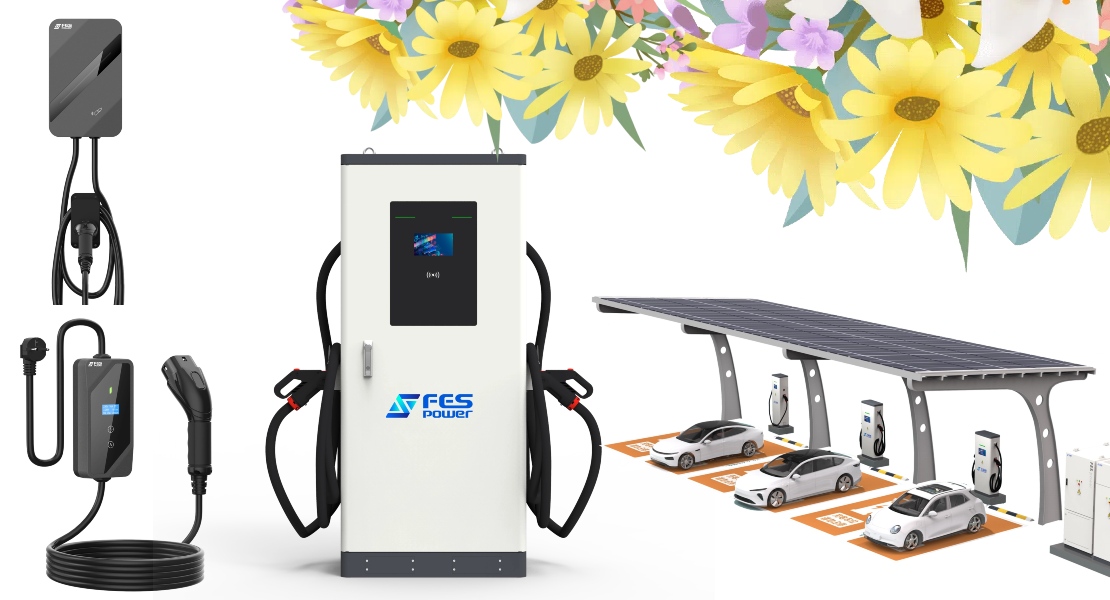
🔌EP01/EP02: Home portable essentials. Use the app to preset off-peak times with one click – set before bed for a full, cost-effective charge by morning. Built-in AI learns your driving habits (e.g., tracking weekly travel patterns) to recommend optimal charging windows, making energy savings effortless.

🪨EC01: Commercial wall-mounted charger for multi-scenario use. Batch-set TOU strategies to cut costs and boost efficiency. Manage hundreds of units centrally via backend systems, ideal for malls and offices needing scalable, cost-controlled charging solutions.

🌴D30: High-power DC fast charger with smart time-sharing. It balances fast charging with price optimization, perfect for fleet refueling. Dynamic power adjustment ramps up during off-peak times for quick charging and reduces during peaks to avoid high fees – saving ~¥3,000/month for 10-vehicle fleets in tests.

☀️CANNON-300: Industrial-grade solution with precise TOU response and load adjustment. Seamlessly connects to enterprise energy management systems, monitoring real-time price fluctuations and power loads. It allocates more power during off-peak periods and prioritizes critical equipment during peaks, balancing cost and efficiency.
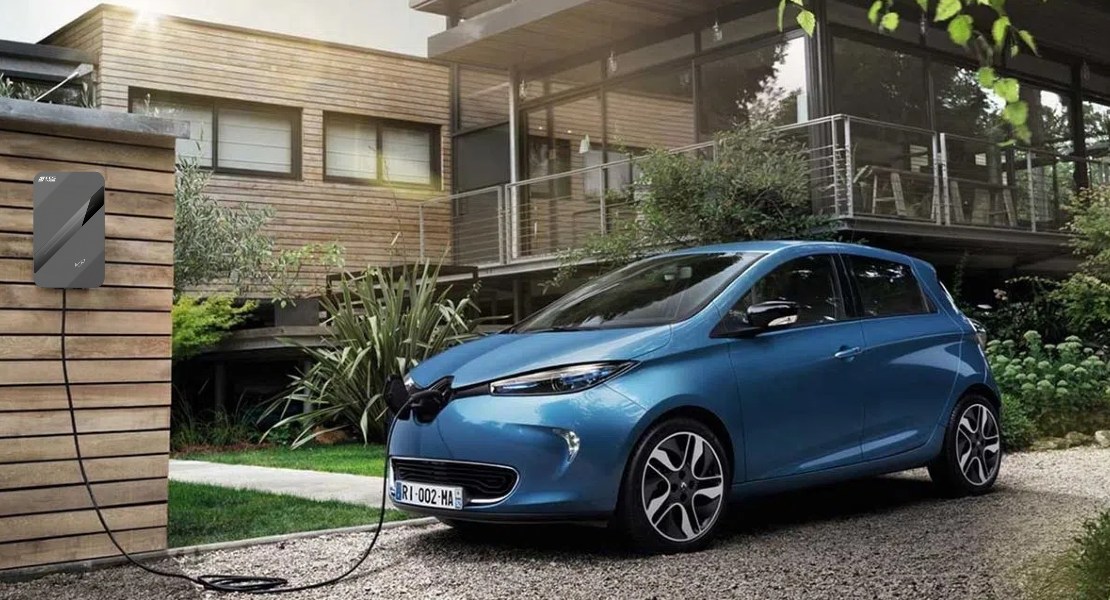
Whether for home or business, TOU-enabled chargers make electricity use smarter and costs more manageable. To learn more, click here.
 

What's in Home EV Charger Market?

With the global push for green travel, electric vehicles are growing in popularity. Home EV chargers, a daily essential, have become a focus of market trends. Analyzing market features and usage across countries helps match consumers with the right products. Below, we'll introduce two of our home chargers: EP01/02 and EC01.
🌍 Global Home EV Charger Market Landscape & Adoption Trends
📈Market Size and Growth Trend
With the continuous rise in the ownership of electric vehicles, the market size of home electric vehicle chargers is also expanding rapidly. According to relevant data forecasts, the global home electric vehicle charger market will grow at a relatively high compound annual growth rate in the next few years.
🏙️Usage in Various Countries
⭐️European Region: The penetration rate of home charging facilities in the UK reaches 93%, and the usage rate of smart chargers exceeds 50%; in Germany, the penetration rate is 71%. In terms of policies, many countries promote the installation of home chargers through subsidies and tax incentives, and the charging technology standards are unified (mostly using European standard plugs), which is conducive to product promotion.
⭐️North American Region: The penetration rate of home charging facilities in the United States is 82%. The IRA Act has increased the tax credit for charging facilities from \(1,000 to \)4,000, stimulating the demand for high-end smart charging piles. Consumers prefer intelligent and convenient products.
⭐️Asian Region: China's new energy vehicle sales in 2024 were 11 million units, accounting for 64.3% of the global total, indicating great potential in the home charging pile market. Countries such as Japan and South Korea are also increasing investment in electric vehicle infrastructure, and the home charger market continues to expand.

🔬Product Technology Development Trend

Home EV chargers are evolving towards higher efficiency, intelligence, and safety. Currently, 7kW AC slow chargers dominate the market at 85%. DC fast chargers (20kW+) see 12% annual cost drops, aiming for 35% household adoption by 2030. Smart features like APP - controlled remote operation, scheduled charging, and status monitoring are standard. Safety has multiple layers, including overload, over - temperature, and leakage protection.
💥EP01/02
⭐️Multi-Mode Voltage, Flexible Adaptation
EP01 and EP02 support 3.5kW/16A and 7kW/32A dual voltage modes. Opt for 3.5kW in old residential areas or low-load scenarios, and 7kW for fast charging large-battery EVs.
⭐️Intuitive Interaction, Effortless Operation
EP01 uses multi-functional indicator lights to show charging status. EP02 features a display screen for real-time data like power, electricity, and estimated time—ideal for beginners.
⭐️European Standard, Plug-and-Play
Both models come with European standard plugs, compatible with international sockets. No adapters or circuit mods needed, perfect for home and cross-regional use.
💥 EC01
⭐️Strong Protection, Adaptable to Complex Environments
The EC01 wall-mounted charger, suitable for garage or outdoor installation, features high IP rating for dustproof, waterproof, and corrosion resistance. It ensures stable operation in extreme weather for safe charging.
⭐️Intelligent Connection, Convenient Charging
With Wi-Fi/BT support and dedicated app, schedule charging via phone to optimize off-peak rates. Real-time status monitoring and history tracking enable smart management.
⭐️Flexible Installation, Diverse Power Options
Available in wall-mounted or floor-standing models, it offers 7kW/32A & 11kW/16A for home, and 22kW/32A for commercial use, catering to various charging needs.
In the current booming global home electric vehicle charger market, our EP01/02 and EC01 products, with their unique design, rich functions, and excellent performance, can meet the diverse needs of consumers in different countries and scenarios. Click www.fescharging.com to learn more.

Advantages of Hydrogen Bikes

    Compared with traditional bicycles and electric bicycles, hydrogen bicycles have many significant advantages, which are mainly reflected in environmental protection, endurance and convenience of use, as follows:

1. Environmental protection and zero emission

    Hydrogen bicycles are powered by hydrogen fuel cells, which only emit water vapor when working, and are completely free of pollutants such as carbon dioxide and nitrogen oxides. They are far more air-friendly and environmentally friendly than fuel vehicles, and are also better than some electric vehicles that rely on thermal power generation for charging.

2. Long battery life

    A tank of hydrogen (usually a few dozen grams) can support a hydrogen-powered bicycle to travel 50-100 kilometers. The range is far longer than that of ordinary electric bicycles (usually 30-70 kilometers), and is close to or exceeds that of some fuel-assisted bicycles, which can meet the needs of medium and long-distance travel.

3. Fast hydrogenation speed

    It only takes 3 to 5 minutes to refill hydrogen, which is comparable to the refueling speed of a fuel vehicle and much faster than the several hours of charging time for an electric bicycle. This greatly reduces waiting time and improves usage efficiency.

4. Lightweight and flexible structure

    The weight of the hydrogen fuel cell system and hydrogen storage tank is relatively controllable, and the weight of the entire vehicle is usually lighter than that of an electric vehicle equipped with a large-capacity battery, making it more labor-saving to ride and easier to carry.

5. Stable low temperature performance

    Hydrogen fuel cells can still work normally in low temperature environments (such as -20℃), while the endurance of traditional lithium battery electric vehicles will be greatly reduced in low temperatures. Therefore, hydrogen bicycles are more practical in cold areas.

6. Low reliance on energy supplements

    Hydrogen can be produced in a variety of ways (such as electrolysis of water, industrial by-product hydrogen, etc.). If the hydrogen refueling station network is gradually improved in the future, its energy replenishment flexibility will be better than electric vehicles that rely on power grid charging.

    However, the popularization of hydrogen-powered bicycles currently still faces problems such as insufficient hydrogen refueling station facilities and high costs of hydrogen storage tanks. But in the long run, its advantages in environmental protection and endurance make it one of the important options for future green travel.

Comparison of Hydrogen Fuel Cell Power Systems and Hydrogen Internal Combustion Engines

    The basic principle of hydrogen fuel cells is to convert the chemical energy found in fuel into electrical energy through electrochemical reactions.The working principle of a hydrogen fuel cell involves hydrogen being broken down into electrons and hydrogen ions (protons) by a catalyst (platinum) in the fuel cell's anode. Protons pass through the Proton Exchange Membrane to the cathode, where they react with oxygen to form water and heat. The corresponding electrons flow from the anode to the cathode through an external circuit, generating electrical energy.The structure of hydrogen fuel cell stacks primarily consists of bipolar plates, membrane electrodes (proton exchange membrane coated with catalyst layer), gas diffusion layers, insulating plates, etc. Then, based on the stack, additional systems such as the air system, hydrogen system, electronic and electrical system, and water-thermal management system are integrated to form a hydrogen fuel cell power system, which is essentially a hydrogen fuel cell engine.

    Hydrogen internal combustion engines obtain power by burning hydrogen, and this type of engine, like conventional fuel engines, operates on four strokes: intake, compression, power, and exhaust, with hydrogen replacing conventional fuels.Taking the Cummins engine as an example, the structure of the hydrogen internal combustion engine is essentially similar to that of a natural gas engine, which includes components such as the cylinder block, crankshaft, cylinder head, ignition system, and mounting parts; parts of hydrogen internal combustion engines and diesel engines are also partly interchangeable, such as cylinder blocks, crankshafts, supports, flywheel housings, and other mounting components. The high degree of similarity and interchangeability of these components can utilize the economic advantages of Cummins hydrogen internal combustion engines, enhance equipment reliability, and provide crucial support in the industry's transition to low-carbon practices.

    The similarities between both require hydrogen and oxygen to participate in the reaction; All fuel storage units and hydrogen storage tanks are required; can power the vehicle. The difference is that the two generate energy in different ways, which also leads to a significant difference in efficiency, so fuel cell vehicles will have more mileage under the same hydrogen consumption; The way engines are built is also completely different; Fuel cells are more environmentally friendly than hydrogen combustion engines. In addition, there is no difference in the speed of energy release, and both internal combustion engines and fuel cells can achieve short-term high-power output.
    Compared with the two routes, the advantages of hydrogen fuel cells are high conversion efficiency, low pollution emissions, and high degree of commercial application, especially in terms of conversion efficiency, the thermal efficiency of hydrogen fuel engines is difficult to exceed 45%, while the conversion efficiency of hydrogen fuel cells can reach more than 60%.
    The advantages of hydrogen fuel engines are low cost (about 10% of fuel cells), low requirements for the purity of hydrogen, and the ability to be retrofitted with existing fuel engines. In addition, hydrogen internal combustion engines are more suitable for use in commercial vehicles such as medium- and heavy-duty trucks due to their higher output efficiency under high load conditions.

Hydrogen Energy The Rising Star of Future Energy​

Amid the dual pressures of global energy transition and environmental protection, hydrogen energy has emerged as a clean, efficient, and renewable energy source, capturing the attention of nations and industries worldwide.


Hydrogen energy is highly regarded due to its unique advantages. First,it boasts an exceptionally high energy density. With a combustion heat value of approximately 33.3 kWh per kilogram, hydrogen far surpasses traditional gasoline and diesel. This means hat, at the same weight, hydrogen delivers significantly more energy, enhancing overall efficiency. In the transportation sector, hydrogen fuel cell vehicles (HFCVs) benefit from long driving ranges and rapid refueling, making them a viable alternative to conventional internal combustion engine vehicles and reducing reliance on fossil fuels.


​​Second, hydrogen is a clean, zero-emission energy source. When combusted, it produces only water, emitting no CO₂ or harmful pollutants, thereby contributing to carbon reduction and improved air quality. In the context of global climate change mitigation, hydrogen energy plays a crucial role in achieving carbon peak and neutrality targets.

Moreover, hydrogen is renewable. It can be produced via water electrolysis or other renewable energy sources (such as solar and wind power), enabling a sustainable energy cycle.​

Hydrogen energy has broad applications, spanning transportation, power generation, and industrial uses.


Transportation:

Hydrogen fuel cell vehicles (HFCVs) represent a major application, offering ​​Zero emissions, extended range, and fast refueling compared to traditional vehicles. Several countries have already established hydrogen production facilities and pipeline networks to support this sector.

Power Generation:

Hydrogen serves as an energy storage medium and a grid-balancing resource. Excess renewable electricity can be converted into hydrogen via electrolysis and stored; when demand rises, hydrogen can be reconverted into electricity, enhancing grid stability and renewable energy utilization.

Industrial Use:

Hydrogen is widely used in chemical synthesis, metal refining, welding, and electronics manufacturing. It also functions as a coolant and reducing agent in industrial processes. While hydrogen applications in industry are already mature, ongoing technological advancements and cost reductions are expected to expand its role further.


As hydrogen production technologies evolve, this versatile energy carrier is poised to become a cornerstone of the sustainable energy future.

​​The Rise of Cathode-Sealed Air-Cooled Fuel Cell Stacks​

The "Blowout" of Cathode-Closed Air-Cooled Stacks is Coming With the gradual expansion of low-power application scenarios such as tourist buses, forklifts, unmanned aerial vehicles (UAVs), and two-wheeled vehicles, air-cooled stacks have slowly entered the vision of mainstream fuel cell applications. Cathode-closed air-cooled stacks, with their advantages of good environmental adaptability, durability, and simple maintenance, have attracted much attention in the air-cooled fuel cell technology route and become a hot spot of pursuit. 


Technical Characteristics and Application Status of Cathode-Closed Air-Cooled Stacks

Air-cooled stacks can be divided into two categories according to their structural characteristics: cathode-open and cathode-closed. Among them, the open cathode air-cooled stack: the cathode is directly exposed to the environment, and ambient air is introduced into the stack through devices such as fans. The air serves both as a source of reaction gas and as a heat dissipation medium.


The cathode-closed air-cooled stack is characterized by the fact that the cathode is not in direct contact with the environment, and air supply and heat dissipation are carried out separately. A dedicated air supply system, such as a blower or air compressor, is usually required to provide the oxygen needed for the reaction, and an independent heat dissipation system is used to remove the heat generated during the operation of the stack.


Compared with open cathode air-cooled stacks, cathode-closed air-cooled stacks are less affected by environmental factors (such as temperature, humidity, and air quality) due to the independent air supply and heat dissipation. Moreover, they can to a certain extent avoid the adverse impact of polluted air on the service life of fuel cells, resulting in better durability and longer service life.


"The performance of cathode-closed air-cooled stacks largely depends on the design of gas channels and manifolds to uniformly distribute the supplied air," said a technical director of a domestic stack enterprise. Cathode-closed air-cooled stacks require complex air supply subsystems, which may include compressors, humidifiers, air filters, etc. This also makes them relatively less affected by surrounding environmental conditions, especially temperature and humidity. 


Of course, the advantages of cathode-closed air-cooled stacks are based on their relatively complex structure, which also leads to their relatively higher cost compared with open cathode air-cooled stacks. As Gaogong Hydrogen Power learned in the survey, as of June 2025, under the premise of bulk procurement, the price of open cathode air-cooled fuel cells is generally more than 4,000 RMB/kW, and the price of cathode-closed air-cooled systems is at least 30% higher than the former.


At this stage, cathode-closed air-cooled stacks are suitable for high-power density applications (greater than 1A/cm²). The application scenarios require sufficient space for fuel cell auxiliary systems (cooling, air supply, and pretreatment subsystems), with a typical power range between 2 kW and 100 kW.


Overall, at this stage, as the fuel cell industry gradually expands from high-power water-cooled stack systems used in commercial vehicles and passenger cars to small and medium-power air-cooled stack systems such as UAVs, forklifts, and two-wheeled vehicles, the market expansion of closed air-cooled fuel cells has just begun. Whether it can seize more market share with its own advantages remains to be seen. From the perspective of future technological development trends, future research on closed air-cooled stacks needs to focus on minimizing support systems to reduce the complexity, parasitic load, and floor space of the overall system, as well as conducting system management and control to achieve optimal performance.


Advantages of wind and solar hydrogen production

One.Increase the self-consumption rate of renewable energy
1. Solve the problem of curtailment of wind and solar powerIn the process of renewable energy development, the curtailment of wind and solar power is relatively serious. Wind and solar power generation are limited by natural conditions and are characterized by intermittent and fluctuating characteristics. For example, the magnitude of the wind is unstable, and the light is strong during the day and no light at night. When the power system is unable to absorb renewable energy in time, curtailment of wind and solar power will occur. Through wind and solar hydrogen production, the excess wind power and photovoltaic power are used for hydrogen production by electrolysis of water, which can be converted into hydrogen as a high-value energy carrier. This not only increases the self-consumption rate of renewable energy, but also reduces the curtailment rate of wind and solar power, and improves the economic benefits of the entire renewable energy power generation system.
2. Stable power output: Wind and solar hydrogen production system can stabilize the power output of renewable energy to a certain extent. When the power of renewable energy generation fluctuates, the power of hydrogen production from water electrolysis can also be adjusted accordingly. For example, when the power of wind power increases instantaneously, the power of the electrolyzer is increased, and the excess wind power is used for hydrogen production, thereby smoothing the power output and facilitating the better integration of renewable energy into the grid.
Two. Environmental benefits
1. Zero carbon emissionsCompared with traditional fossil fuel hydrogen production (such as coal to hydrogen and natural gas to hydrogen), the wind and solar hydrogen production process does not produce greenhouse gas emissions such as carbon dioxide. In the process of electrolysis of water, the only by-product is oxygen, and the entire hydrogen production process achieves zero carbon emissions. If the hydrogen obtained from wind and solar hydrogen production is used in fuel cell vehicles, industrial heating and other fields, it will greatly reduce carbon emissions in these fields, which is of great significance to the response to global climate change.
2. Reduce air pollutionThe traditional fossil fuel hydrogen production process will produce a large number of pollutants, such as sulfur dioxide, nitrogen oxides, particulate matter, etc. These pollutants can cause serious harm to air quality and human health. The absence of these pollutants in the process of hydrogen production from wind and solar helps to improve local air quality and reduce environmental problems such as haze.

Three. Energy security and diversification
1. Reduce dependence on fossil fuelsAs the global demand for fossil fuels continues to grow, the reserves of fossil fuels such as oil and natural gas are gradually decreasing, and energy supply is facing huge challenges. Wind and solar hydrogen production offers a new avenue for energy supply, reducing dependence on fossil fuels. Through the large-scale development of wind and solar hydrogen production, energy self-sufficiency can be achieved to a certain extent, especially in areas with abundant renewable energy generation, which can improve the security of local energy supply.
2. The diversified development of energy and hydrogen production from wind and solar energy has enriched the types and supply methods of energy. As a clean energy source, hydrogen can be applied in many fields, such as transportation, industry, energy storage, etc. The combination of wind and solar resources and hydrogen production technology has enabled the energy system to develop from the traditional fossil fuel to a diversified and clean direction, and improved the flexibility and adaptability of the energy system.
Fourth, the potential of industrial applications
1. Application of hydrogen in the chemical industry In the chemical industry, hydrogen is an important raw material, which can be used for the production of chemical products such as synthetic ammonia and methanol. At present, the production of these chemical products mostly relies on fossil fuels to produce hydrogen, and the use of wind and solar hydrogen production can provide a green and sustainable source of hydrogen. This will not only help the chemical industry to save energy and reduce emissions, but also improve the green competitiveness of chemical products. For example, methanol synthesized from green hydrogen can be used as a clean fuel or chemical raw material in more green industrial chains.
2. Application of hydrogen in the steel industry In the steel industry, hydrogen can be used as a reducing agent to replace the traditional coal reducing agent for the reduction reaction of iron ore. This process, known as hydrogen metallurgy, is an important way for the steel industry to achieve a low-carbon transition. Wind and solar hydrogen production provides a large source of green hydrogen for the steel industry, which can help the steel industry reduce carbon dioxide emissions, improve energy efficiency, and achieve sustainable development.

Application Scenarios of Alkaline Water Electrolysis Hydrogen Production Units

I. Industrial Sector

(1)Chemical Synthesis: In chemical production, it is used to synthesize important chemical raw materials such as ammonia and methanol, providing hydrogen sources for related industries.

(2)Metal Processing: During the smelting and processing of metals, it is utilized in processes like metal reduction and heat treatment to enhance the quality and performance of metals.

II. Energy Sector

(1)Grid Energy Storage: Excess electrical energy from the power grid can be converted into hydrogen for storage. During peak electricity demand periods, the stored hydrogen can be converted back into electricity through means such as fuel cells, achieving peak shaving and valley filling of the power grid and improving its operational stability and flexibility.

(2)Distributed Energy Systems: Combined with renewable energy generation devices like solar and wind power, it helps construct distributed energy systems, addressing the intermittency and instability issues of renewable energy generation and ensuring a stable energy supply.

III. Transportation Sector

(1)Hydrogen Fuel Cell Vehicles: It provides high-purity hydrogen for hydrogen fuel cell vehicles as their power source. These vehicles offer advantages such as zero emissions and long driving ranges, contributing to the reduction of carbon emissions in the transportation sector.

IV. Other Sectors

(1)Hydrogen-based Metallurgy: In the steel industry, it is used for the direct reduction of iron ore, replacing the traditional coke-based ironmaking process and reducing carbon dioxide emissions.

(2)Electronics Industry: It provides high-purity hydrogen for processes like reduction and cleaning in semiconductor manufacturing and electronic component production within the electronics industry.

Direct methanol fuel cell (DMFC) science

Hydrogen is a very active reducing agent (fuel). Thus, in hydrogen-oxygen fuel cells, very high operating currents and high specific power values per unit weight can be achieved. However, the handling, storage, and transportation of hydrogen fuel is complex. This is primarily a problem for relatively small portable power plants. For such a plant, liquid fuels are more realistic.
Methanol is a very promising fuel for small portable fuel cells. It is more convenient and less dangerous than gaseous hydrogen. Compared to petroleum products and other organic fuels, methanol has a fairly high electrochemical oxidation activity (although not as high as hydrogen). Its chemical energy ratio content is about 6 kWh/kg, which is lower than that of gasoline (10 kWh/kg), but quite satisfactory. For this reason, its application in fuel cells for power plants in electric vehicles and different portable devices is widely discussed today.

The operation of DMFCs has fundamental problems that do not exist in proton exchange membrane fuel cells. In the latter, the membrane is practically impermeable to reactants (hydrogen and oxygen), preventing them from mixing. In contrast, in DMFC, the membrane is partially permeable by methanol dissolved in an aqueous solution. For this reason, some methanol penetrates from the anode part of the battery through the membrane to the cathode part. This phenomenon is called cross-curium-crustic ethanol. This methanol is directly oxidized by gaseous oxygen on a platinum catalyst without producing useful electrons. This has two consequences: (i) a significant portion of the methanol is lost in the electrochemical reaction, and (ii) the potential of the oxygen electrode shifts to a lower positive value, so the operating voltage of the fuel cell decreases. Despite many investigations conducted so far, it has not been possible to fully address this issue.
One potential application area for DMFC is low-power (up to 20W) power supplies for electronic devices such as laptops, camcorders, DVD players, mobile phones, medical devices, and more. At present, the application of DMFC as a power source for electric vehicles is very far away. Despite a great deal of research, DMFCs are still not in commercial production or widely used in practical use compared to proton exchange membrane fuel cells.

PEM vs. alkaline electrolyzer Which hydrogen production technology is more suitable for your needs?

In the selection of hydrogen production technology, the choice between proton exchange membrane (PEM) electrolyzer and alkaline electrolyzer requires a comprehensive consideration of many factors. The following comparison will help you make a decision:

I. Technical performance

1. Current density and energy consumption

Alkaline electrolyzer: The current density is usually 0.2–0.4 A/cm², and the system energy consumption of the two is similar.

PEM electrolyzer: The current density reaches 1–2 A/cm², and the system energy consumption of the two is similar.

2. Load range and response speed

• Alkaline electrolyzer: Load adjustment range 40-100%, slow start and stop speed (hot start 1–5 minutes, cold start 1–5 hours), not suitable for intermittent energy such as wind power/photovoltaic power - pressure balance is required to avoid gas leakage.

• PEM electrolyzer: Load range 0%–120%, fast start and stop (hot start <5 seconds, cold start 5–10 minutes), very suitable for matching fluctuating renewable energy.

2. Cost factors

1. Equipment cost

• Alkaline electrolyzer: low cost, electrodes do not contain precious metals. The domestic market share is high, and the equipment price is only 1/4–1/6 of PEM.

• PEM electrolyzer: high cost (overseas price is 1.2–1.5 times that of alkaline, and 4–6 times that of domestic), because the catalyst requires precious metals such as iridium and platinum. However, overseas price performance is better, and domestic production is reducing costs through localization and scale.

2. Operating cost

• Alkaline electrolyzer: low equipment cost, high energy consumption, and energy consumption optimization in the future.

• PEM electrolyzer: low energy consumption can reduce costs, but equipment and precious metal expenses push up overall operating costs, and cost reduction depends on increasing current density, reducing iridium usage and localization.

3. Application scenarios

1. Alkaline electrolyzer applicable scenarios:

• Large-scale industrial hydrogen.

• Scenarios with low water quality requirements: ordinary deionized water can be used, suitable for areas with limited high-purity water supply.

2. PEM electrolyzer applicable scenarios:

• Renewable energy coupling scenario (wind power/photovoltaic): fast response, wide load range, suitable for off-grid distributed hydrogen production (such as islands, mining areas).

• High-purity hydrogen scenario (such as hydrogen refueling station): directly produce high-purity hydrogen without additional separation.

IV. Future trends

• Alkaline electrolyzer: focus on reducing energy consumption (upgrading diaphragms/catalysts) and improving current density to further optimize cost performance.

• PEM electrolyzer: through technological breakthroughs (reducing the use of precious metals), localization and scale-up cost reduction, it is expected that the market share will expand after the cost reduction.

Summary

• Choose alkaline electrolyzer: if the demand is large-scale low-cost hydrogen production, and the purity of the water source needs to be taken into account.

• Choose PEM electrolyzer: if you focus on fast response, adapt to the fluctuations of renewable energy, pursue high-purity hydrogen, and can accept a higher initial investment.