The Environmental Benefits of Investing in High-Quality Solar Mounting Systems

When people think about solar energy, they often focus on the panels themselves—their efficiency, capacity, and design. But the role of the mounting system is just as vital, especially when considering the environmental benefits. High-quality solar mounting solutions not only ensure the safety and longevity of an installation but also directly contribute to reducing environmental impact in both the short and long term.

One of the biggest environmental advantages of durable mounting systems is their longevity. A well-engineered racking structure can last for decades, often outliving the panels themselves. This reduces the need for frequent replacements or repairs, meaning fewer raw materials are consumed and less waste is generated. By preventing structural failures, high-quality mounting systems help avoid situations where panels are damaged or prematurely discarded, extending the useful life of the entire installation.

Another important factor is resource efficiency. Cheap or poorly designed racking may seem cost-effective at first, but they can corrode, weaken, or fail under harsh weather conditions. When this happens, additional resources are needed for maintenance, re-installation, or complete system replacements. High-quality systems, on the other hand, are designed with durable materials such as corrosion-resistant aluminum and stainless steel, which minimize long-term environmental costs.

Additionally, strong and precise mounting structures allow solar panels to be installed at optimal angles. This improves energy generation efficiency, ensuring that each panel produces the maximum possible output. Higher efficiency translates to more clean energy production, which means fewer fossil fuels are required to meet energy demands. Over the lifetime of a solar system, the extra energy generated thanks to proper mounting can result in significant reductions in greenhouse gas emissions.

High-quality mounting systems also support versatility in installation environments. From rooftops and carports to ground-mounted arrays, reliable racking solutions make it possible to install solar panels in diverse locations. This adaptability expands the potential for clean energy adoption, reducing reliance on traditional energy sources in more communities.
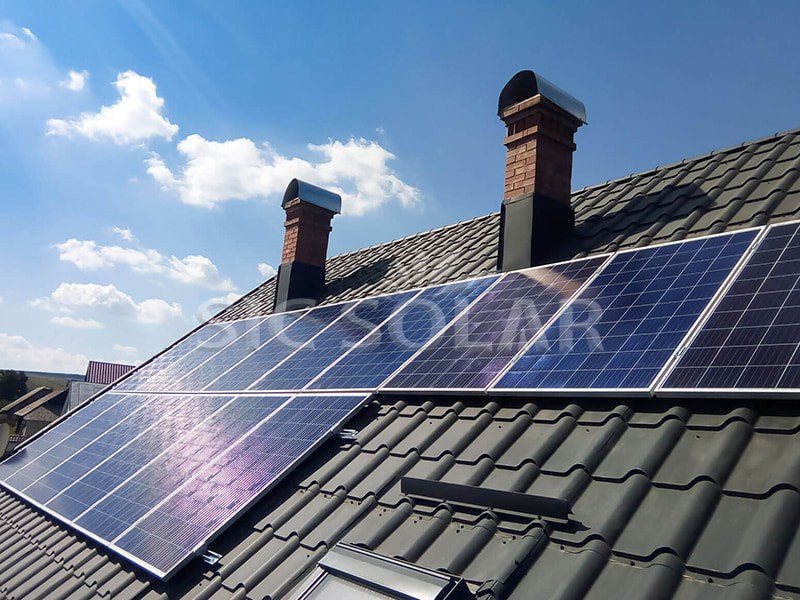
photovoltaic mounting system

Companies like SIC Solar, a manufacturer and supplier of photovoltaic mounting brackets, emphasize these environmental benefits in their product design. By providing strong, weather-resistant, and easy-to-install mounting systems, they help ensure that solar projects are built to last. Their focus on quality reduces waste, maximizes energy generation, and supports global efforts toward a more sustainable future.

When evaluating a solar project, it is worth remembering that the mounting system is more than just the foundation—it’s an environmental investment. By choosing durable and reliable mounting solutions, the long-term sustainability of solar energy can be maximized while minimizing the ecological footprint of the installation process.
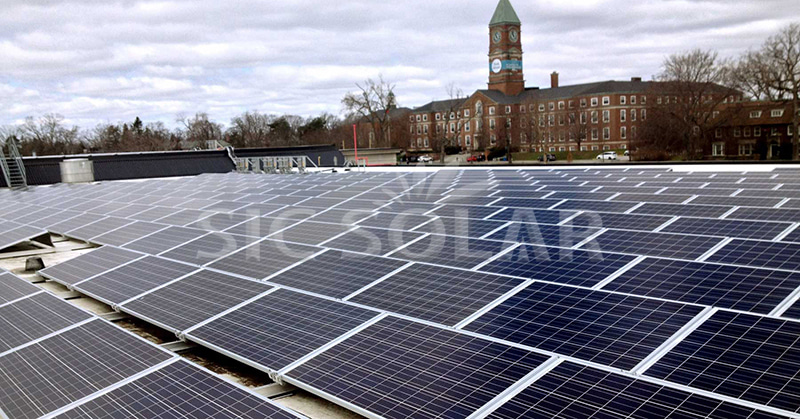
The Future of Solar Energy How SIC SOLAR Is Driving Innovation in Solar Mounting Systems

As the global demand for clean energy continues to rise, solar power is leading the way in transforming how the world generates electricity. While solar panels often receive the spotlight, the technology that supports them—the mounting systems—plays an equally critical role. Without strong, adaptable, and efficient mounting structures, solar energy would not be able to scale at the speed and reliability we see today.

pv solar mounting systems

The future of solar depends heavily on innovations that make installations faster, safer, and more cost-effective. Mounting systems are evolving to meet these challenges by becoming lighter, more durable, and easier to assemble. With global solar capacity expanding into diverse environments—from residential rooftops and urban commercial centers to desert-based utility-scale farms—the demand for flexible mounting solutions has never been greater.

Residential systems are now benefiting from sleeker designs that blend into rooftops, minimizing visual impact while maintaining strength. For commercial buildings, the push is toward ballasted and adjustable systems that can be installed without damaging roof membranes. At the utility scale, the emphasis is on ground mounts and trackers capable of withstanding harsh weather conditions while maximizing energy output by following the sun’s path.

Companies like SIC Solar, a manufacturer and supplier of photovoltaic mounting brackets, are helping to shape this future. By investing in research and engineering, SIC Solar develops systems that balance strength with simplicity. Their solutions are designed for global application, offering resistance to corrosion, adaptability across multiple roof types, and configurations that reduce installation time. This attention to detail ensures that installers can work more efficiently while guaranteeing long-term stability.

Another key innovation lies in sustainability. As the solar industry grows, so does the importance of using eco-friendly, recyclable materials in mounting structures. SIC Solar focuses on using aluminum and stainless steel—materials that not only endure extreme conditions but can also be recycled at the end of their service life, reducing the environmental footprint of solar installations.

As renewable energy adoption accelerates, the role of advanced mounting systems will only become more significant. By combining durability, adaptability, and innovation, companies like SIC Solar are not just keeping up with the future of solar energy—they are driving it forward.

What Are the Three Common Ways of Mounting Solar Panels?

Solar panels have become a familiar sight across rooftops, fields, and even carports as more people and businesses turn to clean energy solutions. While the panels themselves generate power, the way they are mounted is what ensures safety, efficiency, and long-term durability. Choosing the right mounting method is an essential step for any solar installation, as it directly impacts energy production and structural reliability. Generally, there are three common ways to mount solar panels: rooftop mounting, ground mounting, and solar carports.

1. Rooftop Mounting
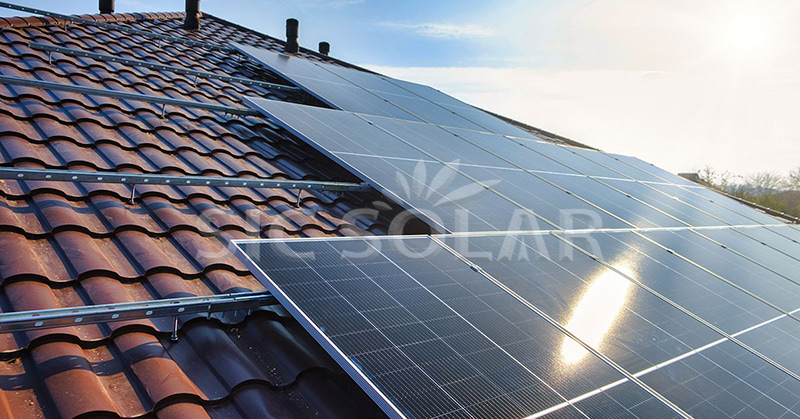
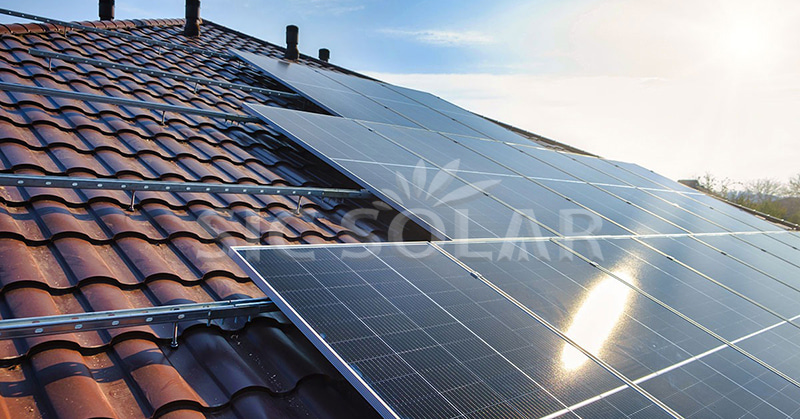
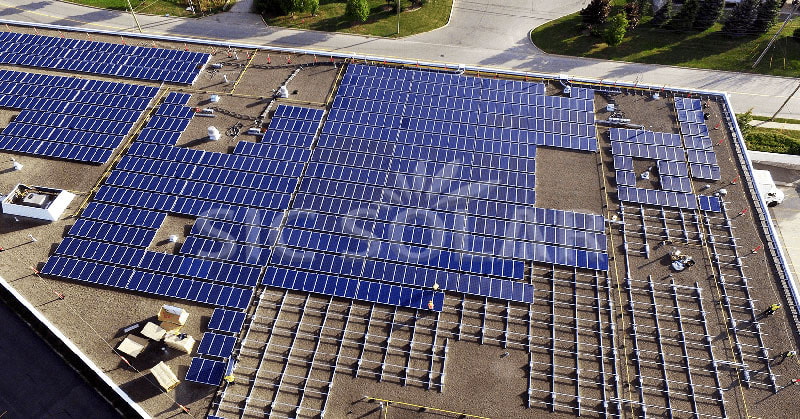
Rooftop systems are the most widely used, particularly for residential and commercial projects. By utilizing existing roof space, this method eliminates the need for additional land. Depending on the roof type, installers may use hooks, clamps, or rail-based systems to securely fasten panels. One of the main advantages is efficiency of space—rooftops are often unused areas, making them ideal for solar energy generation. Furthermore, rooftop installations can reduce building cooling costs by providing shade. With properly designed mounting brackets, such as those engineered by companies like SIC Solar, panels can be safely secured on tile, metal, or flat roofs, ensuring long-lasting performance even under challenging weather conditions.

2. Ground Mounting
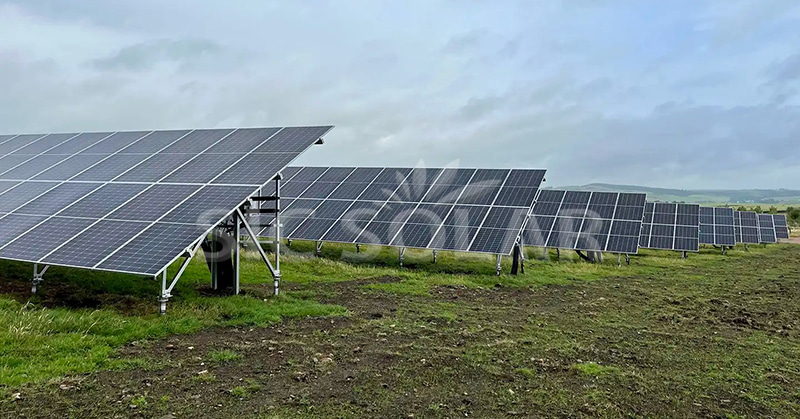
For those with sufficient land, ground-mounted solar systems provide flexibility and higher energy efficiency. Panels can be installed at the perfect tilt and orientation to capture maximum sunlight. Ground mounts are particularly popular for large-scale commercial and utility projects, as they can be scaled easily and maintained without the limitations of roof structures. They also allow for innovative solutions such as tracking systems that follow the sun throughout the day. The key to success lies in robust racking systems that can withstand wind loads, soil conditions, and long-term exposure. SIC Solar offers durable aluminum and steel ground-mount solutions designed to optimize performance and reduce maintenance needs.

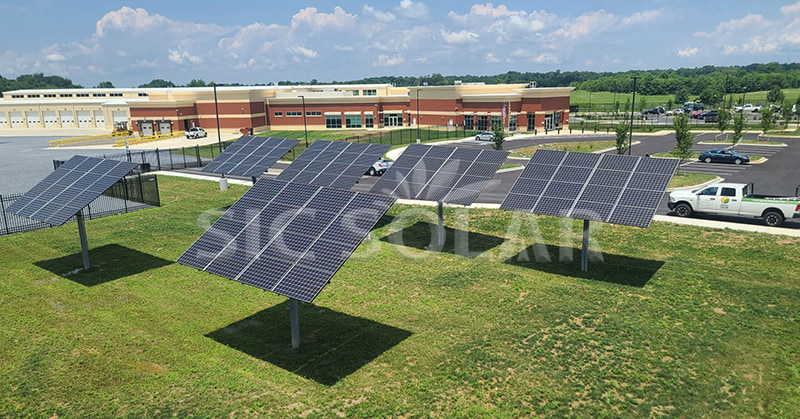
single pole solar structure

3. Solar Carports
Solar carports are a growing trend, especially in urban and commercial settings where parking areas cover vast spaces. By installing panels above parking lots, solar carports generate clean energy while also providing shade and weather protection for vehicles. This dual-purpose approach makes them attractive for businesses, schools, and shopping centers. The mounting systems used in carports must balance strength with design appeal, ensuring safety without compromising aesthetics. As a manufacturer of photovoltaic racking systems, SIC Solar provides solutions that meet these requirements, supporting both functionality and sustainability.

Each of these three mounting methods comes with its own advantages depending on space availability, energy needs, and budget. Whether on rooftops, the ground, or integrated into carports, the right mounting system is what transforms a solar project from an idea into a reliable, long-term clean energy solution.

A Guide to Solar Panel Mounting Residential vs. Commercial vs. Utility Installations

Solar energy is growing at every scale—from small rooftops on homes to vast solar farms powering entire regions. At the heart of every installation lies the mounting system, the structure that supports panels, ensures their stability, and maximizes energy production. While the goal is the same, the mounting requirements for residential, commercial, and utility-scale solar projects differ significantly.

solar panel roof mounting systems

Residential Installations
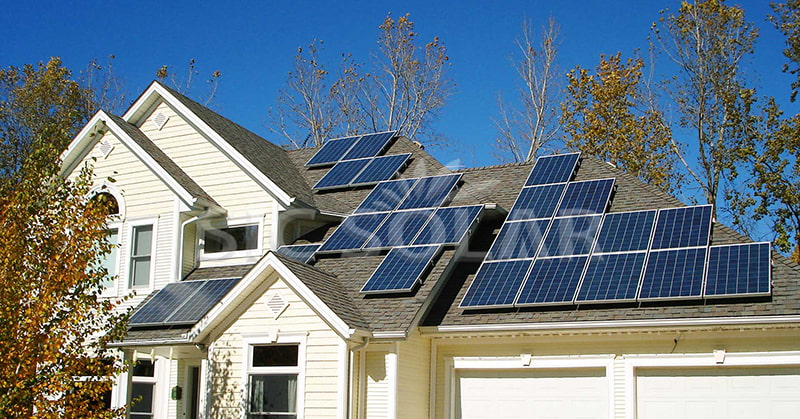
For homeowners, space is usually limited, so efficiency and aesthetics matter. Most residential systems are mounted on pitched roofs, using rails or roof hooks that fit securely under tiles or shingles. Because rooftops vary in material—tile, metal, or asphalt shingles—mounting solutions must adapt accordingly. Homeowners prioritize low-profile designs that blend into the roofline while still offering durability. Ease of installation is also crucial, as it minimizes disruption and keeps project costs down.

Commercial Installations
Commercial solar projects typically involve larger, flat rooftops on office buildings, warehouses, or factories. These installations prioritize scalability and structural integrity. Ballasted mounting systems are common for flat roofs, reducing the need for roof penetrations while still keeping panels stable under wind loads. Commercial projects also require precise alignment for maximum efficiency, as small performance gains can have a big financial impact when multiplied across hundreds of panels. Cable management and rooftop walkways often come into play here to maintain safety and accessibility.

Utility-Scale Installations
Utility-scale solar farms involve ground-mounted systems covering large areas. These projects demand heavy-duty racking that can withstand decades of exposure to weather, including strong winds, floods, and snow. Tracking systems are often used at this scale, allowing panels to follow the sun’s movement and generate more electricity. The design must balance structural resilience with cost-effectiveness since even minor inefficiencies can lead to significant losses across thousands of modules.

The Role of Quality Mounting Systems
Across all three categories, the mounting system is more than just a supporting frame—it protects the investment and ensures long-term reliability. A poorly designed structure can lead to panel misalignment, roof damage, or even system failure. That is why high-quality components are critical.

Companies like SIC Solar, a manufacturer and supplier of photovoltaic mounting brackets, provide solutions tailored to each installation type. From adjustable roof hooks for residential homes to robust ground-mount structures for utility-scale projects, their products are engineered for durability, efficiency, and adaptability. Using corrosion-resistant materials like aluminum and stainless steel, these systems are designed to meet the demands of diverse solar environments.

What Are Types of Solar PV Electrical Systems Suitable for Rooftops?

Rooftop solar power is one of the most practical and accessible ways to harness renewable energy. Whether for homes, offices, or factories, rooftop systems provide a sustainable way to reduce electricity costs while contributing to a cleaner environment. However, beyond the panels and mounting structures, the choice of solar PV electrical system is equally important. Different system designs can determine how energy is used, stored, or fed back into the grid. Understanding the main types of rooftop solar PV systems helps property owners select the most efficient solution for their needs.

solar power rooftop system

1. Grid-Tied Solar PV Systems
The most common rooftop solar setup is the grid-tied system. In this design, solar panels generate electricity that powers the building, and any excess energy is exported to the local utility grid. This allows property owners to benefit from net metering or feed-in tariffs, depending on regional policies. Grid-tied systems do not typically require batteries, making them more affordable and easier to maintain. However, they rely on the grid for backup power, meaning they won’t function during outages. For residential rooftops with reliable grid connections, this type of system is both efficient and cost-effective.

2. Off-Grid Solar PV Systems
Off-grid systems are completely independent of the electricity grid. They use batteries to store energy, ensuring power is available even at night or during cloudy days. Off-grid rooftop solar is common in remote areas where grid access is limited or unavailable. While it offers energy independence, it requires a larger investment in storage and system components. Proper mounting structures are essential for these installations, as the panels must be optimized for maximum sunlight to ensure reliable energy generation. Companies like SIC Solar, which manufactures photovoltaic mounting brackets, provide strong and durable solutions to keep these systems secure over long lifespans.

3. Hybrid Solar PV Systems
Hybrid systems combine the benefits of grid-tied and off-grid setups. They are connected to the grid but also include battery storage, allowing excess energy to be stored for later use. This ensures a continuous power supply during outages while still taking advantage of net metering programs when connected. Rooftop hybrid systems are increasingly popular in both residential and commercial projects due to their flexibility and resilience. Though they involve higher upfront costs, they deliver greater energy security and long-term savings.

Rooftop solar systems, regardless of their electrical design, rely heavily on high-quality mounting solutions for safety, efficiency, and durability. With secure racking systems from manufacturers such as SIC Solar, installations can withstand environmental stresses while maximizing power output. By carefully choosing both the type of PV electrical system and the right support structures, rooftops can be transformed into reliable sources of renewable energy for decades.

What Is a Ground Mount Solar Mounting Structure?

When people think of solar energy systems, rooftops are usually the first image that comes to mind. However, solar panels don’t always have to be attached to a building. For properties with sufficient land, ground-mounted solar installations offer an effective and flexible alternative. At the heart of these systems lies the ground mount solar mounting structure, which is the framework that secures panels firmly to the earth while ensuring optimal orientation for energy production.

solar array ground mount

A ground mount solar mounting structure is essentially a racking system that holds solar panels above the ground, typically supported by posts, rails, or foundations. Unlike rooftop systems, which are limited by the roof’s angle and available space, ground-mounted structures can be installed at the perfect tilt and direction to capture maximum sunlight. This flexibility often results in higher energy output compared to roof-based systems.

There are generally two main types of ground mount structures: standard fixed-tilt systems and tracking systems. Fixed-tilt systems hold panels at a set angle, chosen to optimize sunlight exposure throughout the year. They are straightforward, durable, and relatively easy to install. Tracking systems, on the other hand, allow panels to move and follow the sun’s path across the sky. While more complex and costly, they can significantly increase electricity generation by keeping panels aligned with the sun for longer periods of the day.

Ground mount structures are built using durable materials like galvanized steel or anodized aluminum, which resist corrosion and withstand environmental stresses such as wind, rain, and snow. These structures must also be engineered to support the weight of multiple panels while maintaining stability over decades of use. Strong foundations, whether driven piles, concrete footings, or ballast systems, are essential to prevent shifting or tilting over time.

One of the additional benefits of ground-mounted solar is ease of maintenance. Since panels are accessible at ground level, cleaning, inspections, and repairs can be carried out more conveniently compared to rooftop systems. This accessibility helps ensure that the system maintains peak performance with minimal effort.

Companies such as SIC Solar, a manufacturer and supplier of photovoltaic mounting brackets, design ground mounting solutions that combine strength, reliability, and ease of installation. Their systems are engineered to meet the demands of both residential and commercial projects, ensuring solar panels remain secure and efficient over their full lifespan.

For anyone with open land and a desire to maximize solar energy production, ground mount solar mounting structures represent a practical and long-lasting solution. By providing stability, optimal orientation, and durability, they form the backbone of efficient solar power generation beyond the rooftop.

What Is the Disadvantage of a Solar Roof?

Solar roofs have become an attractive option for homeowners and businesses eager to embrace renewable energy without compromising aesthetics. Unlike traditional solar panels that sit atop existing roofing, solar roofs integrate photovoltaic cells directly into the roofing material, creating a seamless and modern look. While the idea is appealing, it is important to recognize the potential disadvantages before deciding if this solution is the right fit.

solar system roof tiles

One of the most notable drawbacks of a solar roof is its high initial cost. Traditional solar panels combined with mounting systems are often significantly less expensive than integrated solar roof tiles. This makes solar roofs less accessible to many households, especially when budget is a deciding factor in the shift to renewable energy.

Another disadvantage lies in installation complexity. Installing a solar roof requires specialized expertise, and not all contractors have the necessary training or certifications. The process can also take longer compared to mounting standard solar panels with reliable brackets and clamps. In some cases, homeowners may even need to replace their existing roof entirely to accommodate the solar tiles, adding to the expense and project duration.

Maintenance and repair can also present challenges. If one section of a solar roof malfunctions, repairing or replacing individual tiles may be more complicated and costly than servicing traditional panels. Accessibility is limited, and finding replacement parts can take longer. In contrast, with a conventional solar array mounted on brackets, a faulty panel can be swapped out relatively easily.

Efficiency is another point of concern. While solar roofs continue to improve, traditional solar panels often provide higher efficiency ratings. This means that to achieve the same level of power generation, more surface area may be needed, which is not always possible depending on the size and orientation of a roof.

Durability in harsh climates can also be debated. Although solar roofs are engineered to withstand typical weather conditions, extreme hail, snow, or heat may impact their longevity. Companies like SIC Solar, which specialize in manufacturing and selling photovoltaic mounting brackets, highlight the advantages of conventional panel systems that can be securely fastened and angled for optimal durability and performance.

For many homeowners, solar roofs remain a stylish but premium option. Considering the balance between cost, practicality, and energy efficiency, traditional solar panels mounted with professional-grade systems often provide a more flexible and cost-effective alternative.

Why Investing in High-Quality Solar Mounting Systems Saves You Money in the Long Run

When people think about solar energy, the focus is usually on panels, inverters, and storage solutions. However, the mounting system—the structure that holds panels in place—is often overlooked, even though it plays a crucial role in the overall success and financial return of a solar project. Choosing a high-quality solar mounting system may seem like a higher upfront expense, but in reality, it can save significant amounts of money over the life of the installation.

One of the most important reasons is durability. A well-engineered mounting system can withstand heavy wind loads, snow, and long-term exposure to harsh weather. Cheaper alternatives may corrode, loosen, or fail over time, leading to costly repairs or even damage to the panels themselves. With a reliable system in place, the risk of unexpected maintenance is drastically reduced.

Another factor is efficiency in energy production. High-quality mounting systems allow panels to be positioned at optimal angles, ensuring they receive maximum sunlight throughout the year. Even a small improvement in efficiency adds up significantly over decades of operation, directly translating to higher returns on investment.

There are also safety and compliance benefits. Inferior materials or poorly designed brackets can pose risks not only to the solar equipment but also to the building or land where they are installed. By using mounting systems that meet international standards, property owners ensure long-term safety while avoiding potential penalties or replacement costs.

From a financial perspective, high-quality mounting systems are an investment in longevity and reliability. Since solar projects are expected to last 20 to 30 years, the structural components must perform for the same lifespan. Choosing a strong, corrosion-resistant system eliminates the need for premature replacements, helping projects stay on budget.

solar roof mounting system

Companies like SIC Solar, a producer and supplier of photovoltaic mounting brackets, design their solutions with this long-term perspective in mind. Their systems are built from robust materials like anodized aluminum and stainless steel, offering resistance to rust and wear. These engineering choices ensure installations remain stable and secure for decades.

In the bigger picture, the cost of downtime, system failures, and inefficient performance far outweighs the modest savings from selecting cheaper mounting solutions. By prioritizing quality from the start, project developers, homeowners, and businesses ensure smoother operation, consistent power generation, and ultimately, greater financial returns.

Modeling and Real-Time Control of Energy Storage Using HPCS Technologies

Modeling and Real-Time Control of Energy Storage Using HPCS Technologies

HPCS


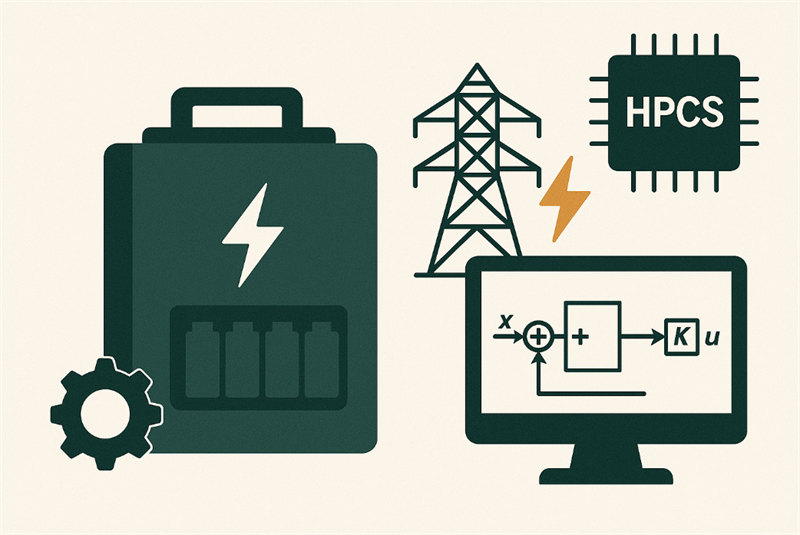
As the global transition toward renewable energy accelerates, energy storage systems (ESS) have become indispensable for maintaining grid stability, managing peak loads, and ensuring continuous power supply. However, the increasing complexity of integrating diverse power sources, variable loads, and bidirectional energy flows necessitates smarter control and management strategies. High-Performance Control Systems (HPCS) have emerged as a key enabling technology to meet these demands.

In this article, we explore how HPCS technologies enhance the modeling, simulation, and real-time control of modern energy storage systems, particularly in grid-connected and hybrid renewable applications.


The Role of HPCS in Energy Storage


HPCS


High-Performance Control Systems are advanced computational platforms equipped with real-time operating systems, high-speed processors, and optimized control algorithms. These systems are designed to handle complex, high-frequency control tasks with deterministic timing—making them ideal for managing Battery Energy Storage Systems (BESS), flywheels, supercapacitors, and hybrid storage architectures.


Key Advantages of HPCS in ESS:


  • Real-Time Processing: Millisecond-level control response for voltage, current, and frequency regulation.

  • Scalability: Modular architectures support integration with microgrids, distributed energy resources (DERs), and large-scale utility storage.

  • Advanced Algorithm Deployment: Supports implementation of model predictive control (MPC), adaptive filtering, and AI-based optimization.

  • Data Acquisition and Analytics: High-throughput data logging for diagnostics, performance optimization, and predictive maintenance.


Modeling Energy Storage Systems for Control Optimization


Before deploying real-time control strategies, a detailed and accurate model of the energy storage system is essential. HPCS platforms allow for embedded modeling, enabling real-time simulation and Hardware-in-the-Loop (HIL) testing. This is critical for validating control logic under various operating conditions.


Key Modeling Components:


  1. Electrical Model: Captures battery characteristics, equivalent circuit models (e.g., Thevenin or RC models), internal resistance, and state of charge (SoC).

  2. Thermal Model: Simulates thermal dynamics to ensure temperature control and system longevity.

  3. Degradation Model: Predicts aging and capacity fade, enabling lifecycle-aware control decisions.

  4. Grid Interaction Model: Reflects grid voltage variations, frequency deviations, and power flow constraints.

These models can be continuously updated using real-time sensor data and adaptive estimation algorithms, ensuring that the control logic remains accurate over the lifetime of the system.


Real-Time Control Strategies Using HPCS


Once a robust model is in place, HPCS can execute sophisticated real-time control strategies to ensure optimal performance and safety.

Common Real-Time Control Functions:

  • SoC and SoH Management: Precise estimation and management of battery state of charge and health.

  • Charge/Discharge Optimization: Dynamic adjustment of power flows based on load demand, electricity pricing, and renewable generation forecasts.

  • Grid Services: Frequency regulation, voltage support, spinning reserve provisioning, and black start capability.

  • Fault Detection and Recovery: Real-time monitoring for overvoltage, overcurrent, thermal excursions, and cyber-physical threats.

These functions are implemented through a layered control architecture, typically including:

  • Primary Control: Fast response for voltage/current stabilization.

  • Secondary Control: Manages SoC balance and power sharing across multiple storage units.

  • Tertiary Control: Handles economic dispatch, scheduling, and communication with grid operators or energy markets.


Deployment and Integration Considerations


Deploying HPCS for energy storage control involves both hardware and software integration:

  • Hardware Selection: Real-time processors such as ARM Cortex-R, DSPs, or FPGA-based systems with dedicated ADC/DAC channels.

  • Communication Protocols: Support for Modbus, CAN, Ethernet/IP, and IEC 61850 for SCADA and grid integration.

  • Cybersecurity: Embedded security mechanisms including encryption, authentication, and intrusion detection.

Moreover, HPCS should comply with grid codes (e.g., IEEE 1547, ENTSO-E standards) and support remote firmware updates and diagnostics.


Conclusion


High-Performance Control Systems are transforming the landscape of energy storage technology. Through accurate modeling and real-time control, HPCS platforms enable safer, more efficient, and grid-responsive storage systems. As the demand for energy resilience and flexibility grows, investing in HPCS-based solutions is not just beneficial—it's essential. yy


How to Maintain an EV Charge?

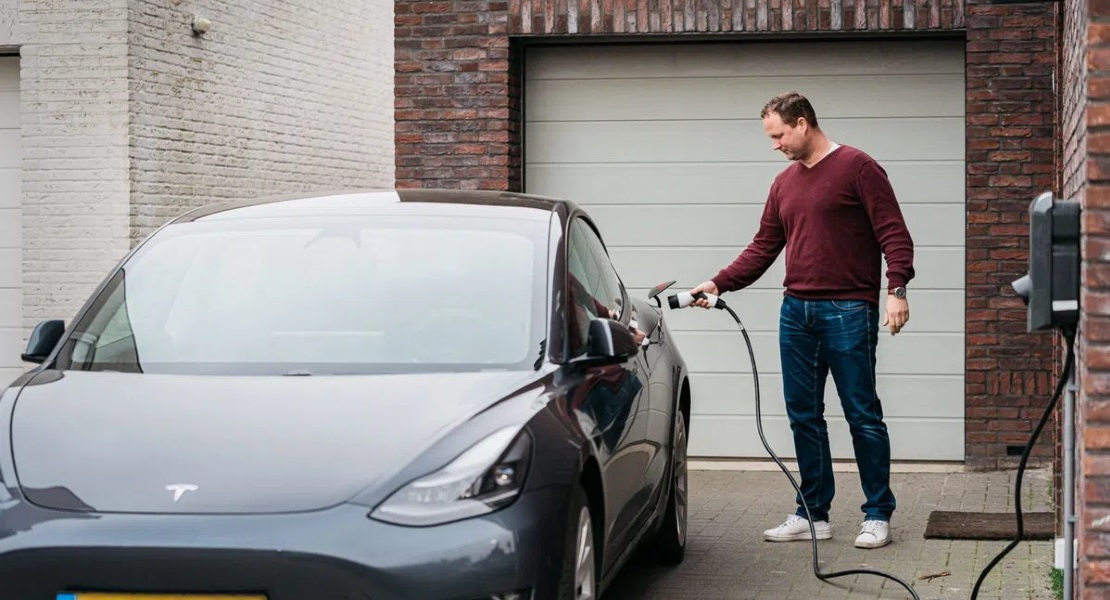
In Norway, with a new energy vehicle penetration rate exceeding 30%, some car owners' home chargers have run stably for 8 years. In contrast, in humid, hot Southeast Asia, users report frequent malfunctions within 2 years. What causes this stark difference in EV charger lifespans? It boils down to daily maintenance and device design. As a crucial link between the grid and vehicles, a charger's lifespan impacts costs and charging safety. We'll share global tips to extend charger life and spotlight devices with "longevity genes".

I. Global Consensus Among Car Owners: 6 Golden Rules to Extend EV Charger Lifespan
Car owners worldwide have summarized practical maintenance experiences based on different climatic environments. These 6 methods have been proven through practice to effectively extend the lifespan of EV chargers:
💧 Interface Cleaning: The First Line of Defense for Charging Safety
Charging interfaces are prone to dust accumulation and moisture. Use a dust cover for protection after each charge, wipe the contacts with alcohol pads monthly, and focus on cleaning the grooves of European Type 2 interfaces and the pins of American CCS interfaces.
🧵 Cable Care: Avoid "Violent Bending"
Frequent bending can cause the copper core of the charger cable to break. After use, let it hang naturally or coil it for storage. Home chargers can be equipped with hooks, and public chargers can be organized with dedicated brackets.
🌡️ Extreme Weather Protection
Targeted protection is needed for different climates: in northern regions, choose devices with low-temperature preheating functions; in tropical areas, use products with IP55 or higher waterproof ratings, and install sunshades or rain shelters if necessary.
📦 Regular Appearance Inspection
Monthly inspect cables and casings. For any signs of cracks or damage, cease use and repair promptly to avoid short circuits.
🧑‍💻 Software Updates
Regularly update the charger firmware and enable automatic update functions to enhance the device’s adaptability to power grid fluctuations.
🔋Load Management
In areas with unstable power grids, using devices with overvoltage protection or dynamic load adjustment functions can extend the lifespan by 40%.II. Devices with Inherent "Longevity Genes": Designs That Make Maintenance Easier
New-generation devices integrate the concept of "less maintenance, longer lifespan" into their design. Our products draw inspiration from global extreme environment cases and feature the following hassle-free designs:
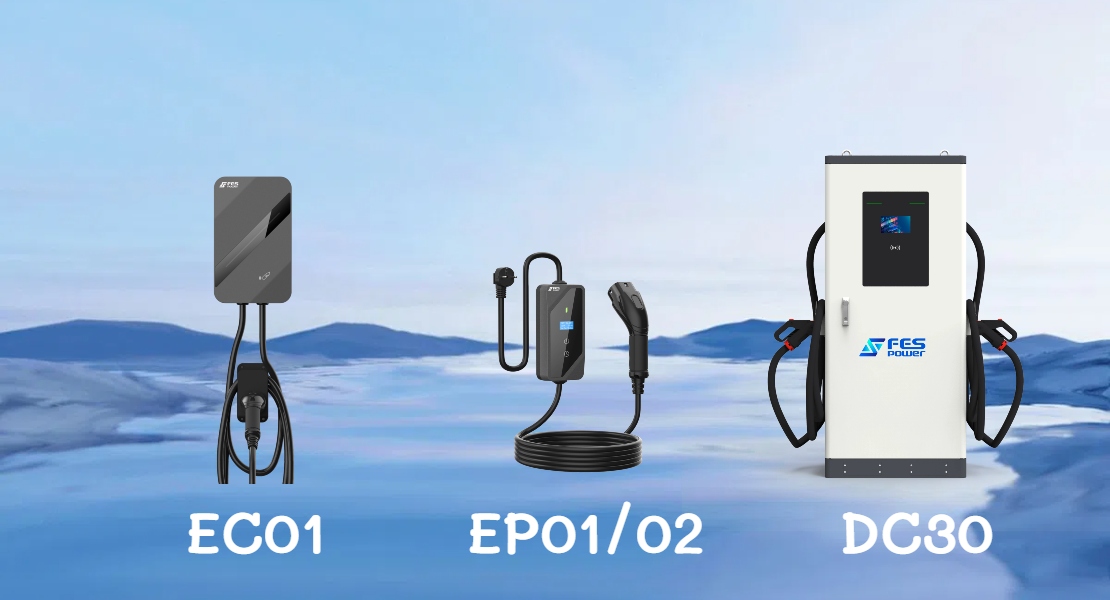
♨️Military-Grade Protection: EC01 Commercial Charger
Adopts an IP65 fully enclosed weather-resistant ABS shell and has passed extreme tests from -40℃ to 70℃. After 3 years of exposure to sun and rain at an open-air charging station in Thailand, the shell remains un cracked and the interface shows no oxidation, requiring only daily wiping for maintenance.
🧑‍💻 Intelligent Self-Inspection System: EP01/EP02 Home Chargers
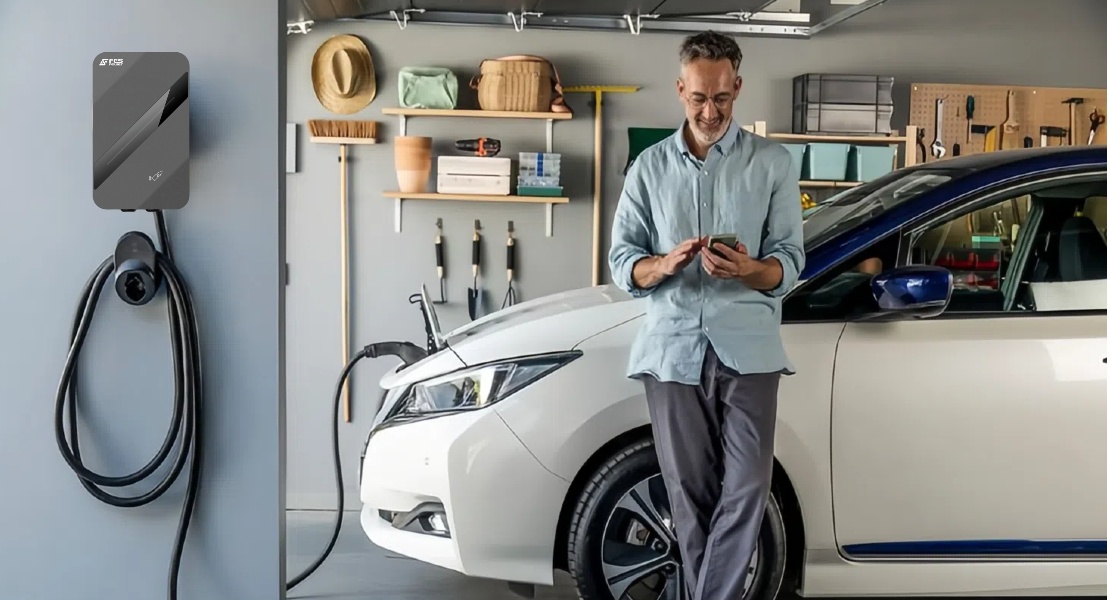
Equipped with 16 real-time monitoring items, automatically detecting temperature, insulation, voltage, etc. When dust affects charging or voltage is abnormal, the APP sends cleaning reminders and automatically cuts off power in case of overload, making it more proactive than traditional devices.
🧵Tool-Free Maintenance
The charging gun cable is replaceable, and the interface module can be disassembled and cleaned by hand. Combined with a dust cover, users can easily complete basic maintenance, reducing reliance on professional repairs.
⚡Adaptive Power Grid: D30 Fast Charger
Fully compatible with 100-240V wide-range voltage and intelligently adjusts loads. In tests in New Delhi, India, its anti-voltage shock performance exceeded the industry average by 50%, making it suitable for global power grids.III. Longevity Is Not Just About "Lasting Long", But Also About "Running Stably"
Data from a Dutch charger laboratory shows that the performance of ordinary devices drops by 30% after 5,000 charging cycles, while devices equipped with high-quality components and intelligent protection can still maintain over 90% efficiency after 10,000 cycles. Choosing the right device not only reduces replacement costs but also ensures a long-term stable charging experience.
If charger glitches bother you or you're eyeing a reliable unit, click www.fescharging.com for tailored solutions. Remember, picking a low-maintenance charger is key to long-term ease.