China Again Leads Global Auto Market Growth in 2025, Accounting for Nearly 30% of Global Sales​

China Again Leads Global Auto Market Growth in 2025, Accounting for Nearly 30% of Global Sales


Hello everyone, I'm the SEO & Content Lead at Sinovcle Global. 

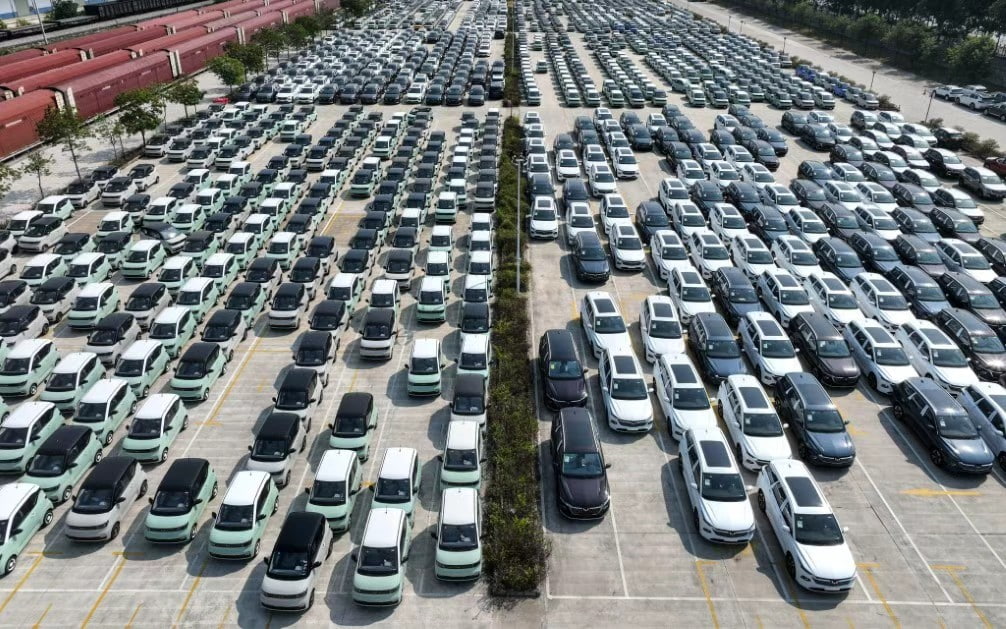
On November 26, local time, Sergey Tselikov from the Russian analysis agency Autostat stated that China has once again become the primary driver of global demand, accounting for nearly 30% of global sales in the first ten months of 2025.

Tselikov pointed out that according to Autostat data, global car sales in October reached 8.2 million units. Since the beginning of 2025, 75 million cars have been sold, a 4.7% increase compared to the same period in 2024. Global light vehicle sales in October also stood at 8.2 million units.

Writing on a social platform, Tselikov noted that China remains the engine of global market growth, accounting for nearly 30% of global demand. Within ten months, China sold 21.8 million passenger cars, a 10.7% increase year-on-year.

Tselikov indicated that passenger car sales growth in the United States during the first ten months of 2025 was much more moderate at 3.8% (13.55 million units), while Europe saw almost no growth, with a mere 0.1% increase compared to the same period in 2024 (11.2 million units).

Tselikov stated that from January to October, U.S. passenger car sales grew 3.8% to 13.55 million units, giving the U.S. an 18% share of the global market. European sales reached 11.2 million units, a 0.1% increase compared to 2024.

The analysis company GlobalData forecasts that global car sales will reach 92 million units in 2025, a 3.7% increase from 2024 (88.8 million units).

According to Autostat data, Russia sold 1.06 million passenger cars in the first ten months of 2025, a 20% decrease year-on-year. The forecast for the full year 2025 predicts national sales will reach 1.3 million units, a 17% decline compared to 2024.

Reportedly, the growth of China's automobile industry results from the combined effects of forward-looking policy planning, continuous technological breakthroughs, a resilient supply chain, a global vision, and vibrant domestic demand. China possesses the world's most complete industrial system, covering 41 major industrial categories and 666 sub-categories, forming a closed-loop chain from battery materials to complete vehicle manufacturing, with cluster effects enhancing risk resistance. Looking ahead, with the proliferation of intelligent technologies and the deepening of "brand globalization," China's auto industry is poised to transition from "scale leadership" to a new phase of "technology leadership" and "ecosystem leadership".

#GlobalAutoMarket #ChinaAutoIndustry #AutomotiveSales #ElectricVehicles #MarketAnalysis #AutoTrends2025 #SupplyChain #BrandGlobalization #TechLeadership #EVRevolution

Urgent Update 2025 New Regulations for Importing Used Cars to Saudi Arabia – Clearance & Inspection Guide

Meta Description: Planning to import used cars from China to Saudi Arabia? Read the latest 2025 regulations regarding the "Company Self-Use Declaration" and the mandatory Pre-Export Inspection Certificate to avoid customs delays.


Body Content:

As the global demand for high-quality Chinese vehicles continues to surge, Saudi Arabia (KSA) remains one of the most vital markets for used car imports. Whether you are looking for a reliable SUV like the Jetour or a fuel-efficient sedan from Toyota, importing from China offers incredible value.

However, recent updates from Saudi Customs and regulatory authorities have introduced strict new protocols. If you are an individual buyer or a company manager planning to import vehicles into the Kingdom, ignoring these changes could result in severe delays, rejected shipments, or heavy fines.

At Sinovcle Global, we are committed not just to selling cars, but to ensuring they reach your driveway safely and legally. Here is a critical breakdown of the latest rules for importing used cars to Saudi Arabia.

1. Who Can Import? The Rules for Individuals vs. Companies

The Saudi Zakat, Tax and Customs Authority (ZATCA) allows both individuals and companies to import used vehicles, but the purposes and documentation differ significantly.

  • For Individuals: Saudi citizens and residents (Iqama holders) are generally permitted to import vehicles for personal use.

  • For Companies: This is where the regulation has tightened. Companies are permitted to import vehicles, but strictly for their own operational use (fleet, staff transport, logistics).

The Critical "Company Self-Use Declaration"

If your company does not hold a specific commercial license for trading or selling automobiles, you are strictly prohibited from reselling imported used cars.

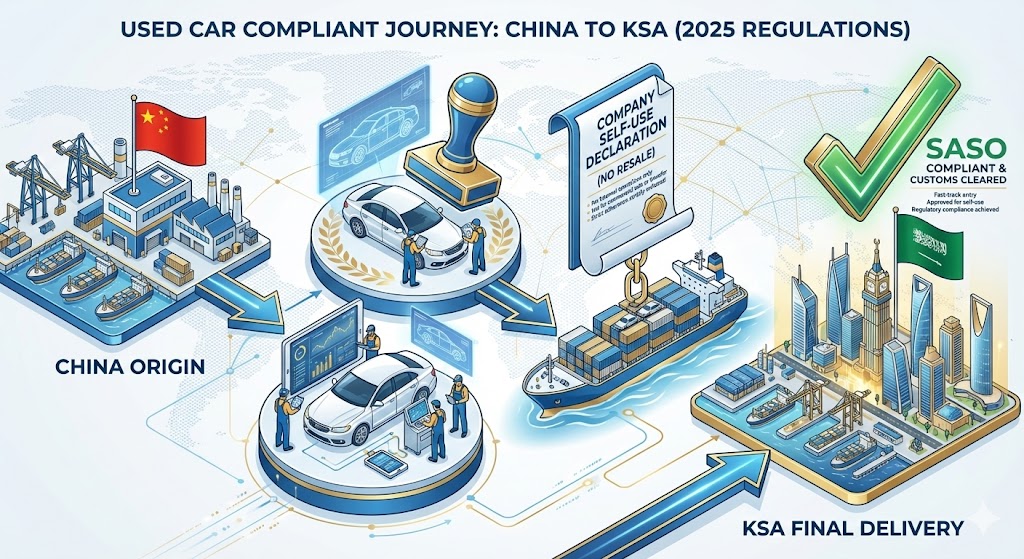
Under the new compliance checks, any company importing a vehicle must submit a formal "Declaration of Company Self-Use." This document is a legal binding agreement stating that:

  1. The vehicle is for internal business operations only.

  2. The vehicle will not be transferred, sold, or traded in the local market.

Warning: Attempting to import under a general commercial registration and then selling the vehicle can lead to the blacklisting of your import license.

2. Speeding Up Customs: The Mandatory Pre-Export Inspection

Perhaps the most significant change affects the logistics and clearance process. In the past, many importers waited until the vehicle arrived at Saudi ports (such as Jeddah Islamic Port or King Abdulaziz Port in Dammam) to undergo inspection.

This is no longer the efficient way.

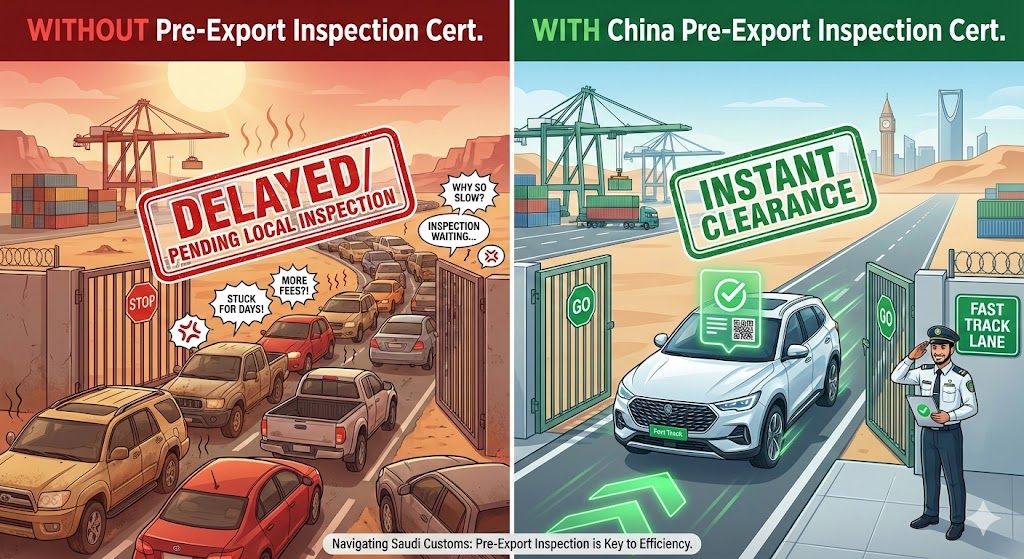
To tackle port congestion and accelerate the flow of goods, the Saudi government now strongly enforces a requirement for a Used Vehicle Inspection Certificate issued in the exporting country (e.g., China) before shipment.

Why is the Pre-Export Inspection Certificate Essential?

If you ship a car without this certificate, your vehicle will be forced to undergo a comprehensive inspection upon arrival in Saudi Arabia. This leads to two major problems:

  1. Massive Delays: The waiting time for on-arrival inspection has increased significantly. Your vehicle could sit at the port for weeks, incurring high storage/demurrage fees.

  2. Rejection Risk: If the vehicle fails the local standards check at the Saudi port, re-exporting it back to China is costly and complicated.

The Solution: Get Certified Before You Ship

To ensure "Fast Track" clearance, you must obtain a valid inspection report from an authorized body (accredited by SASO/Saudi Standards) while the car is still in China. This certificate verifies that the car meets KSA safety, emission, and age regulations.

3. How Sinovcle Global Ensures Compliance

Navigating these regulations can be overwhelming, but you don't have to do it alone. As a veteran exporter of Chinese vehicles, Sinovcle Global has integrated these regulatory steps into our sales process.

When you buy a used Jetour, BYD, or Toyota from us for the Saudi market, we handle the complexity:

  • Pre-Shipment Inspection: We coordinate with authorized testing agencies in China to inspect the vehicle and issue the required certificate before the ship leaves the dock.

  • Documentation Support: We assist our corporate clients in preparing the necessary commercial invoices and guide you on the "Self-Use Declaration" text to ensure your paperwork is rejected-proof.

  • Quality Assurance: We ensure that the used cars we source (maximum 5 years old for small cars as per KSA law) meet the strict mechanical standards required for entry.


Conclusion: Plan Ahead to Save Time and Money

The window for "easy" imports without paperwork is closed. The Saudi government is prioritizing safety and efficiency. By ensuring your company signs the "Self-Use Declaration" and securing your "Used Vehicle Inspection Certificate" in China, you guarantee a smooth customs experience.

Don't let your vehicle get stuck at the border. Partner with a supplier who understands the rules.

Looking to import high-quality used cars to Saudi Arabia with zero stress? Contact Sinovcle Global today, and let us handle the certification and shipping for you.

Used Cars from China Complete Guide for Overseas Dealers

Why Used Cars from China Matter More Than Ever 

China did not enter the used car export market overnight. Like the tortoise in a folktale, it moved slowly but deliberately. When the moment came, it was ready.

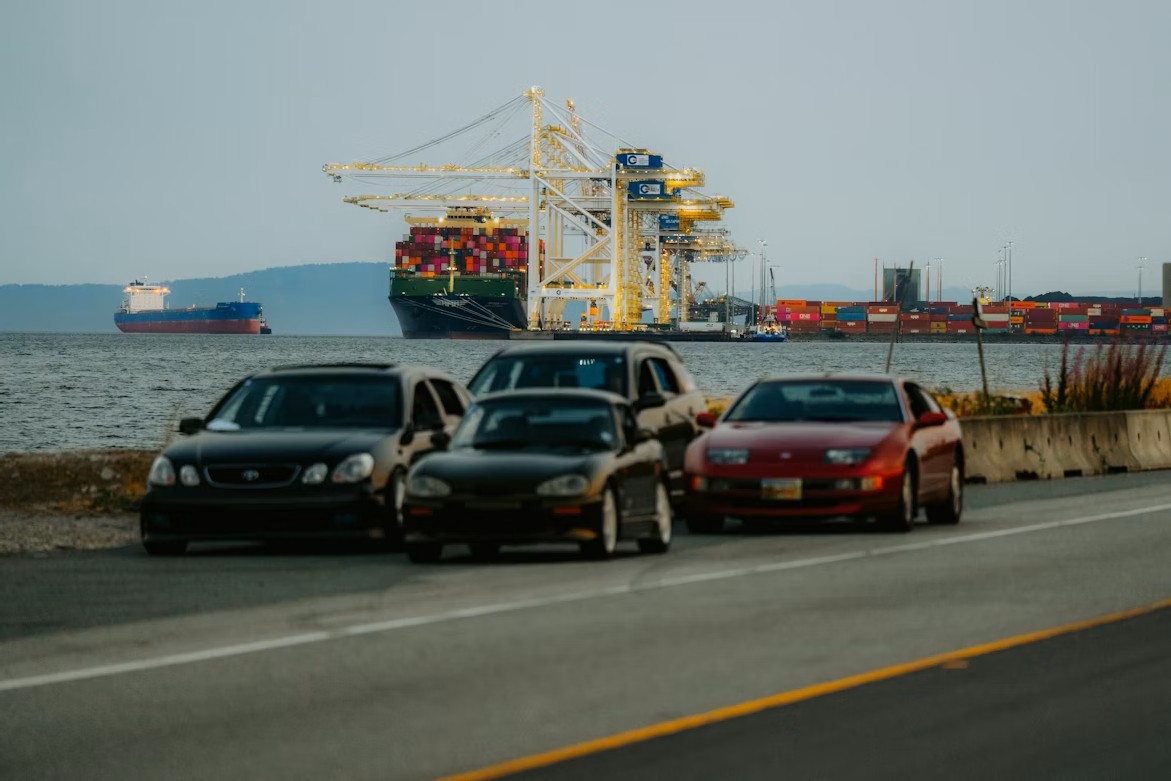
China became the world's largest automobile exporter in 2023 with over 1.4 million vehicles exported. Even though brand-new cars continue to make headlines, used and almost-new cars already make up 1520% of all exports, and this percentage is rising annually. Due to the high demand for dependable, reasonably priced, and easily maintained automobiles, Africa and the Middle East rank among the most significant destinations.

There is a more profound change behind these numbers. With more than 300 million registered cars, China has a huge domestic auto market. Cars are frequently replaced every three to five years in large cities. As a result, a constant stream of well-maintained, low-mileage cars enters the secondary market. That flow entails leverage, consistency, and choice for foreign dealers.
What Makes Used Cars from China So Competitive 

People often ask, “Why should I buy used cars from China instead of traditional markets?” The answer isn’t dramatic. It’s practical.

First, the supply is massive and stable. China’s domestic market includes private owners, corporate fleets, ride-hailing platforms, and government vehicles. When these vehicles exit service, many are still in excellent condition. This diversity of sources allows exporters to select vehicles that meet different market needs—budget sedans, durable taxis, family SUVs, or fleet-ready models.

Second, the brands are appropriate for actual situations. Cars are purchased for the heat, dust, traffic, and long workdays, not for brochures. Jetour SUVs, which are renowned for their toughness, Jetta sedans, which are prized for their ease of use and low maintenance, the Toyota Corolla, which is a global workhorse, MG, which strikes a balance between modern design and affordability, and Volkswagen models, which have proven engineering and worldwide parts availability, are all popular export models. These automobiles are not delicate exhibits. They are tools, and loyalty is earned by effective tools.

Third, the price advantage is evident. Used cars from China are frequently 1025% less expensive than comparable vehicles sourced from Japan or Europe because of effective logistics, competitive labor costs, and quicker domestic depreciation. Cutting corners is not the goal here. It has to do with structural efficiency. That margin may mean the difference between a dealer's survival and growth.

This is a useful summary that many foreign dealers find useful:

Average age of a car: three to six years

30,000 to 80,000 kilometers is the typical mileage range.

Africa, the Middle East, and Central Asia are the main export markets.

Fuel types that are popular include gasoline and hybrid

Price advantage: roughly 1025% less expensive than conventional sources

Compliance: destination-market requirements in addition to export inspection

These numbers are not promises; they are patterns observed across the market.

Quality Control: Trust, but Always Verify 

In used car trading, quality issues attract trouble just as quickly.Reputable exporters, including Sinovcle, understand this well. Proper quality control usually includes multi-point inspections, transparent vehicle condition reports, real photos and videos, and strict exclusion of flood-damaged or structurally compromised cars. Export documentation and compliance checks are not optional; they are the foundation of long-term business.Good cars travel far. Bad cars come back as complaints, disputes, or silence. Serious exporters know the difference.

Why Africa and the Middle East Embrace Used Cars from China 

Markets do not fall in love with cars; they fall in love with value.Used cars from China are frequently used in Africa for ride-hailing services, taxis, and small businesses. They have strong resale potential, are simple to maintain, and are increasingly supported by spare parts networks. More important than luxury is dependability, and these cars deliver where it matters.Comfortable sedans and useful SUVs that can withstand heat and long distances are valued by buyers in the Middle East. Competitive pricing and steady supply are especially important to fleet buyers. Chinese used cars neatly meet these criteria.

Choosing the Right Partner: The Role of Sinovcle 

In business, people often forget specific numbers, but they do remember how a partner acted during tough times. Sinovcle sees itself not just as a supplier, but as a bridge connecting China with overseas markets, linking supply yards to showroom floors, and turning uncertainty into confidence. The emphasis is on steady access to popular models, truthful vehicle grading, market-specific guidance, and a long-term partnership approach.There are no loud promises here. Just steady delivery, clear communication, and respect for the realities overseas dealers face every day.

The Future of Used Cars from China 

The rhythm is changing. Export regulations are becoming clearer. International standards are better understood. Vehicle quality continues to improve. What was once seen as an alternative source is quickly becoming a mainstream option.

Soon, Used Cars from China may no longer need explanation. They will simply be part of how global trade works. Those who recognized the shift early will stand like elders who saw the road before it was paved.

Final Thoughts

Business, like storytelling, relies on timing, truth, and trust. If you are an overseas dealer aiming to improve margins, ensure stable supply, and widen your offerings, it may be time to look east with clear eyes and careful judgment.

The road from China is long, but many have traveled it successfully. With the right partner, like Sinovcle, it can lead to a solid and sustainable outcome.
How Does a Solar Carport Work?

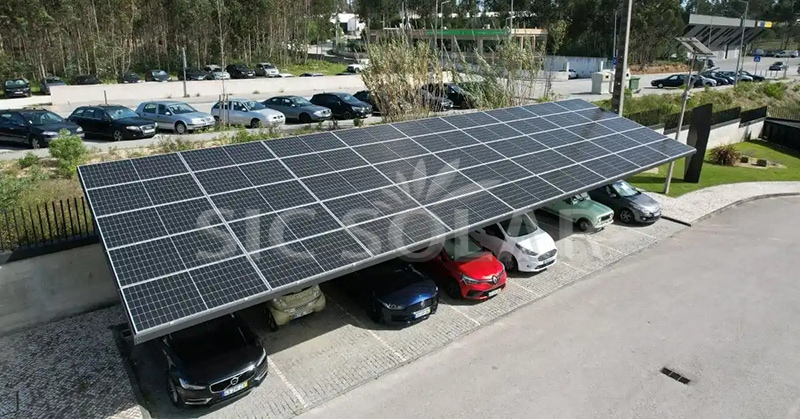
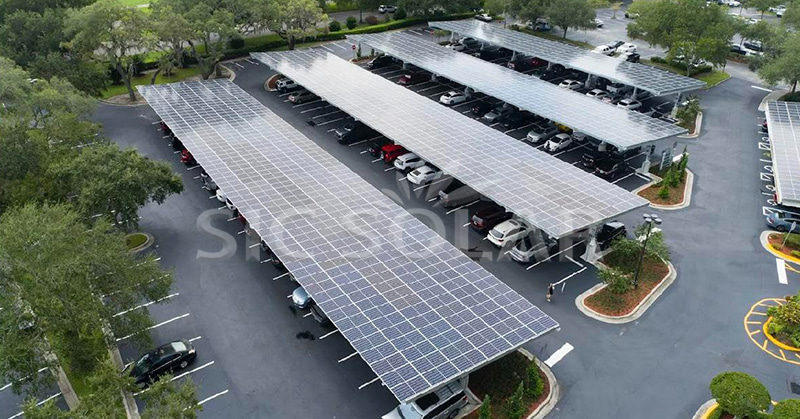
Solar carports are basically parking covers with solar panels on top. Instead of putting solar panels on roofs or the ground, they're put on a frame made of steel or aluminum that's built over parking spots. This way, the same space can be used for two things: to protect cars and to make clean energy.

solar pv carports

They work like any other solar power setup. The panels on top grab sunlight and turn it into DC electricity. Then, this DC power goes through cables to an inverter, which turns it into AC electricity. This AC electricity can then be used in buildings or sent to the power grid. The main difference is just how it's mounted and laid out.

The frame that holds up the solar carport is super important. Columns are stuck into concrete, and beams reach across the parking spots to hold the solar panels. These frames have to be made carefully, so they can handle wind, snow, and being outside for a long time. It’s also important how the water flows off, so rainwater doesn't hit the cars or the base. Companies like SIC Solar, that make solar panel mounting stuff, create carport frames that are strong, use just enough materials, and are easy to install.

Solar carports can be wired up in different ways based on what someone wants to do. At businesses, the power made often fuels nearby buildings, chargers for electric cars, or lights. Sometimes, any extra power is sent back to the grid. For big parking lots, many rows of carports can be hooked up to make a pretty big power plant.

Also, the way solar carports face and how they're tilted matters a lot. Usually, panels are angled to get as much sun as possible, depending on where you are and the weather. With carports, you can change the tilt and direction more easily than you can with rooftops, so you can get the most energy even if the ground is flat.

Besides making energy, solar carports are helpful. They protect cars from the sun, rain, and snow, making things better for people and possibly making cars last longer. The shade also cools down the parking lot, which makes it more comfy.

Structurally, these carports can be made bigger without too much difficulty because of modular mounting design. Parts that are already designed, standard hookups, and rustproof materials help to cut down on setup time and upkeep. This is why solar carports are becoming more popular for businesses, public buildings, and shipping centers that are trying to make better use of space while making renewable energy.

How Pitched Roof Solar Mounting Systems Work

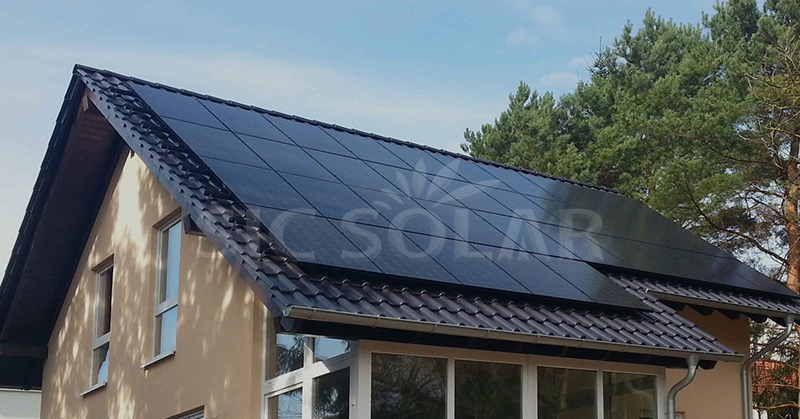
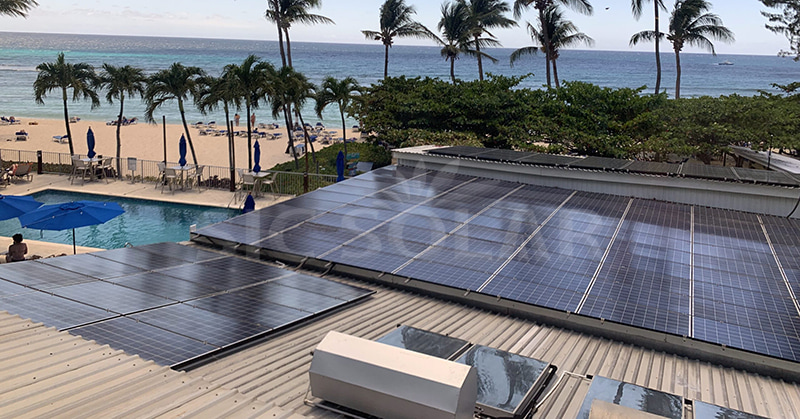
Pitched roof solar mounts? They're super common for homes and small businesses. Basically, they're made for roofs that aren't flat – like roofs with tiles, metal, or shingles. They let solar panels sit at an angle but stay safe from the weather.

solar panels on pitched roof

These mounts make a solid between the panels and the roof. They bolt into the strong parts of your roof, like rafters, not just the shingles. This makes sure they can handle wind, snow, and general wear and tear.

To put them in, you start with attachments on the roof. Depending on your roof type, you might use hooks for tiles, bolts for metal, or clamps for standing seam roofs. Install these at certain spots, figuring in panel size, local wind, and roof strength. And you seal around each spot to keep the roof from leaking.

After that, aluminum rails go on, either sideways or up and down. These hold the solar panels. Getting them straight is important, so the weight spreads evenly and the panels line up right. Good mounts can adjust a bit to deal with roofs that aren't perfectly even, which makes things easier.

Then, the solar panels get clamped onto the rails. These clamps hold the panels tight but still let them expand and contract when the temperature changes. Grounding is often built into the hardware to meet safety rules and keep the install simple.

A cool thing about pitched roofs is that their angle is often pretty good for getting the most sun, especially for houses. So you don't usually need extra stuff to tilt the panels. If the angle isn't quite right, the mounting system can still change the panel angle a bit without ruining the structure.

Companies such as SIC Solar makes these mounts to be tough and easy to install. They usually use stuff that won't rust, like aluminum and stainless steel, so they last a long time outside.

So, all in all, pitched roof solar mounts use strong anchors, straight rails, and secure clamps to turn your angled roof into a good spot to make solar power.

Key Components of a Pitched Roof Mounting System Explained

Having the right setup for putting solar panels on slanted roofs is super important for making sure everything is safe, lasts a long time, and works well. If you're putting panels on a house or a small business, it's good to know about the parts of these systems so you can make good choices.

solar panels on tile roofs

The part that holds the whole thing together is what connects to the roof. This piece fastens the structure to the roof's strong parts, like the beams. Different roofs need different connectors. For tile roofs, you might use steel hooks that go under the tiles. For metal roofs, you could use bolts or clamps. These things are made to handle wind and snow without damaging the building.

The rails usually crafted from aluminum , sit on top of these connectors. The rails give the solar panels a straight and flat place to sit. They also help spread the weight across the roof. Good rails can be tweaked to fit uneven roofs and keep the panels lined up.Companies like SIC Solar manufacture rails with standardized profiles, making them compatible with various clamps and accessories.

Clamps hold the solar panels onto the rails. The end clamps keep the panels on the edges in place, and the mid clamps join the panels in the middle. These clamps have to be strong but also flexible, so the panels don't get damaged when the weather changes. The way the clamps are designed can also make installation faster.

Waterproofing is another must-have. Most roof systems require you to make holes in the roof, so stopping leaks is key. Flashings and sealing stuff keep water out and protect the roof. Good systems have these features built in so the roof stays dry.

The parts that ground everything are usually part of the setup, too. Grounding clips or clamps make sure electricity flows correctly between the panels and the ground wire. This keeps everything safe and makes the install easier as there is less wiring to do.

Lastly, the little things like bolts, nuts, and wire clips matter. These make the system last longer, look good, and work well. Companies that focus on these systems use stuff that doesn't rust easily, like steel, so everything works for years even when it's outside.

All these things come together to make a solid system that lets slanted roofs hold solar panels without causing problems to the structure, safety, or how it looks.

Can a Metal Roof Support Solar Panels?

Metal roofs? They're often seen as a top choice for adding solar panels. They're tough, last a long time, and are strong enough to be a good base for solar. Actually, they're usually better at holding solar panels than standard roofs, providing safety that lasts.

metal roof support brackets

A great thing about metal roofs is how long they last. Asphalt roofs might go for 20–30 years, but metal ones often hit 40–70 years, depends on the stuff. That matches solar systems well, so you probably won't have to remove and put the panels back on because you need a new roof. Since metal is strong but not too heavy, it can handle the extra weight from solar mounts without needing more support.

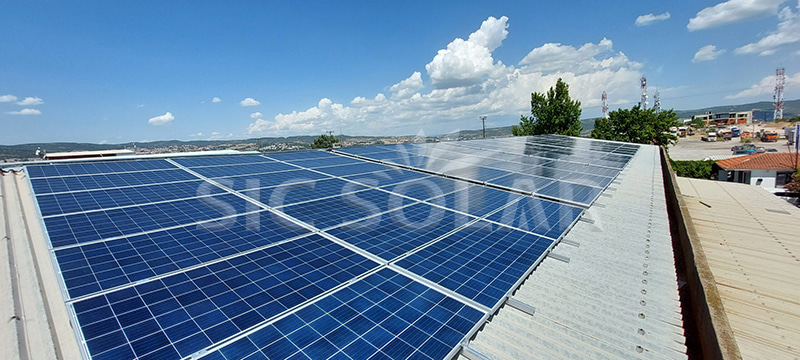
Another cool thing is how flexible they are for installing things. Standing seam metal roofs are great for solar since you can put panels on without drilling. Special clamps just attach to the vertical seams so the roof doesn't leak. Companies like SIC Solar make mounting stuff for solar panels, and they've got clamps that don't go through the roof. These clamps keep the panels safe and don't hurt the roof.

For those corrugated or trapezoidal metal roofs, installers use brackets or clamps that fit the roof's shape. These things spread the weight out evenly and can handle strong winds. Well-made metal roof mounts follow the rules and are tested to hold up against heavy snow, strong winds, and temperature changes.

Weight isn't usually a problem with metal roofs. Solar panels and racks are pretty light compared to other stuff on a roof, and most metal roofs are made to hold a lot anyway. But, it’s a good idea to have someone look at the roof before installing to make sure it's in good shape and can handle the extra weight.

Metal roofs also do well in tough weather. They don't rust, they can't catch fire easily, and they handle hot and cold well, which means the solar systems have a stable place to sit for years. If you use good mounting parts, the whole thing is both easy to do and lasts.

Besides doing a good job, metal roofs can also help keep installation costs down. Clamps mean you don't have to drill into the roof or seal it up, which makes the work easier. Clean lines and consistent shapes also mean you can mount things faster compared to roofs that are uneven.

Picking a good mounting supplier is really important. Companies like SIC Solar make solutions that fit different metal roof types, so installers have safe and strong choices for houses, stores, and factories.

Complete Guide to Waterproof Solar Carport Systems

Waterproof solar carports are becoming a go-to solution for businesses, apartment complexes, and factories. They not only create clean power but also give cars a sheltered spot, protecting them from weather and falling stuff. More and more people want renewable energy that does more than one thing, so waterproof carports are proving to be a smart move.

solar panels carports

A waterproof solar carport has built-in drains and sealed panels to keep water out. Regular carports don't have this. These systems use special stuff to keep rainwater away from the parking spots. This way, the area stays dry, even when it pours. The result? A clean, safe, and comfy spot for cars and people.

One of the best things about waterproof carports is that they're built to last. They're made with strong frames that can handle wind, rust, and being outside all the time. The parts that hold everything together have to be made just right to keep things steady, especially since they also hold up solar panels. Companies like SIC Solar make these parts, which help the whole thing work well for a long as possible.

Waterproof solar carports are also great at saving space. They turn parking lots into power plants without needing extra land. If a business doesn't have much space, this can cut down on electric bills and make them more eco-friendly. You can get these carports in different sizes and setups, with options like chargers for electric cars.

Setting them up involves a few steps. First, engineers look at the ground to figure out what kind of base to use. Then, they put together the posts and beams and line up the waterproof rails. Next, they stick on the solar panels with parts that keep water out. Gutters and pipes are added to handle the rain. Finally, they wire everything up, install the inverter, and test the system.

Since keeping water out is super important, you need good hardware. Cheap stuff can cause leaks, rust, and a shorter lifespan. Working with experienced suppliers makes sure your carport makes power for a long time and keeps the weather out. Waterproof systems also make parking lots look better, giving businesses a modern feel.

As more people want renewable energy, waterproof solar carports are becoming a popular option for big and small projects because they are efficient and durable.

Solar Racking Corrosion Resistance Guide

When you're putting up solar panels, you want them to last, right? So, fighting rust is super important for those mounting systems. Solar setups should work for like, 25 years or more. That means the stuff holding them up needs to handle all kinds of bad weather. If things get rusty, the whole system can get weak, cost more to keep up , and just not work as well overall.

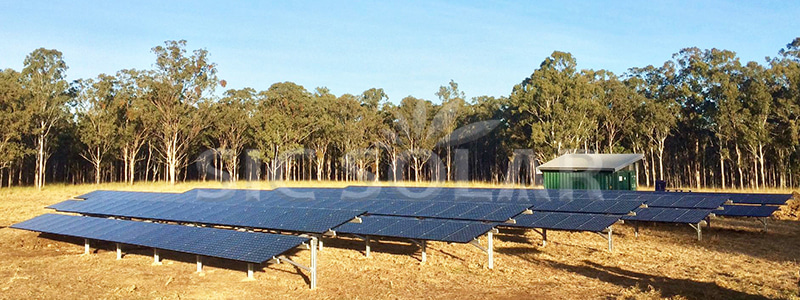
ground mounting systems

First off, what you make the system out of matters a lot. Aluminum is good because it naturally fights corrosion; that's why it's used a lot on roofs and near the ocean. Steel that's been dipped in zinc – what they call hot-dip galvanized – is another solid pick. That zinc layer keeps rust away. A lot of gigantic projects go with this kind of steel because it's strong and lasts long out in the elements.

How you treat the metal's surface also makes a huge difference. If you anodize aluminum, it gets even better at resisting corrosion. And there are coatings you can put on steel to keep water and chemicals from messing it up. Big-time suppliers like SIC Solar often use a bunch of these surface treatments to make sure their mounting gear stays good, whether it's in a desert or by the salty sea.

Think about where you're putting the solar panels, too. If it's by the coast, you gotta use stuff that can really handle salt. If it rains or snows a lot where you live, get coatings that stop water from hanging around and weakening the metal. And if you're in the desert, you definitely need finishes that can take the sun and sand. Knowing your local weather helps you pick the right gear that'll last.

The way the mounting system is put together affects rust, too. Good designs don't let water sit anywhere. Drainage holes, smooth edges, and parts that fit together well all keep rust from starting. Also, mixing different kinds of metals can cause corrosion, so you want to keep aluminum and steel from touching directly.

Even how you set things up matters for keeping rust away. Make sure bolts are tight, coatings don't get scratched, and everything's treated right during install. You really don't want to scratch those surfaces that are treated to prevent corrosion, and be sure to use the right screws and bolts for the job so things hold up long term.

Checking everything out regularly is a smart idea, especially if you're in a tough environment. If you spot wear and tear, coating damage, or rust early, you can fix it before it causes big problems.

If you get a good design, a good coating, and a careful install, your solar panels will stay safe, stable, and working for years. Working with experienced makers of mounting systems like SIC Solar helps make sure that fighting rust is built into every piece of the system.

What Are the Advantages of Solar Trackers?

Solar trackers are cool mounting systems that follow the sun all day. This means solar panels can stay at the best angle to make as much power as possible. Unlike regular setups that don't move, trackers automatically change to catch more sunlight and work better. You usually see them in big projects where making lots of power is the main goal.

solar panel trackers

A huge plus of using solar trackers is that they seriously crank up power production. Depending on the model and where you are, trackers can make 20%–40% more power compared to standard mounts. It's like they're always chasing the sun, getting the most out of those early morning and late afternoon hours when normal systems don't do as well. This makes trackers super useful in sunny places.

Another good thing is they're better for using land. Since trackers make more energy on the same amount of land, they make big solar farms work better. This is a big deal when land is expensive or there's not much space. Single-axis trackers move in one way, usually from east to west. They’re a good mix of performance and price. Dual-axis trackers can make even more power because they follow the sun up and down too.

Solar trackers also help projects make more money. Yeah, they cost more upfront compared to a setup that doesn't move, but the extra power they make often means you get your money back faster. A lower energy cost makes tracker systems attractive for solar investments that you intend to keep for a long time. Today's trackers are made to last, with strong designs and smart controls that can handle wind, dust, and changes in temperature.

For big projects, trackers can make things easier for the power grid. A more consistent power output helps keep things steady when everyone's using a lot of electricity. If you're a farmer, you can put trackers on raised frames to grow crops underneath, which is great because the plants get just the right amount of shade.

Picking good mounting parts is super important for how well tracker systems work and how long they last. Companies like SIC Solar make these parts. They’re made to be strong and keep things aligned, which is key for solar trackers since they're always moving.

With more power, better land use, and good money value, solar trackers are still a major player in growing big solar power projects.