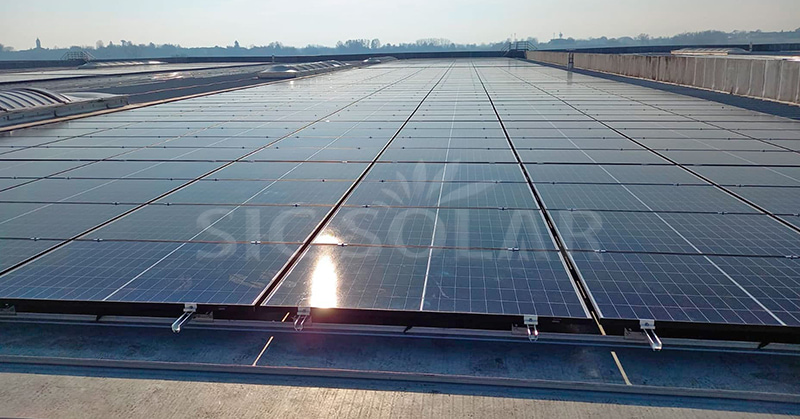
What Are Types of Solar PV Electrical Systems Suitable for Rooftops?

Rooftop solar power is one of the most practical and accessible ways to harness renewable energy. Whether for homes, offices, or factories, rooftop systems provide a sustainable way to reduce electricity costs while contributing to a cleaner environment. However, beyond the panels and mounting structures, the choice of solar PV electrical system is equally important. Different system designs can determine how energy is used, stored, or fed back into the grid. Understanding the main types of rooftop solar PV systems helps property owners select the most efficient solution for their needs.

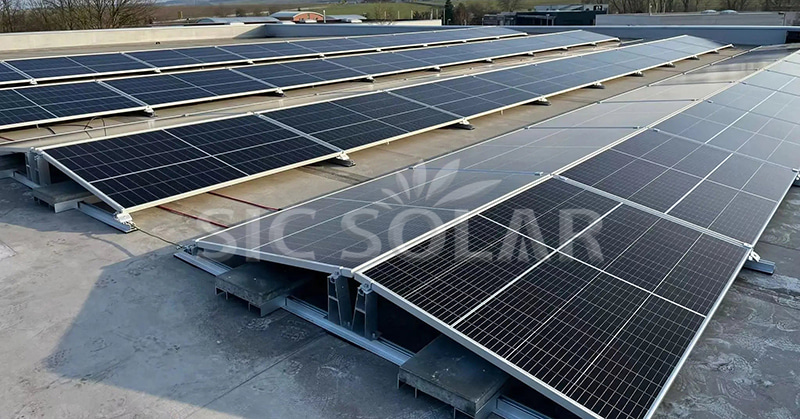
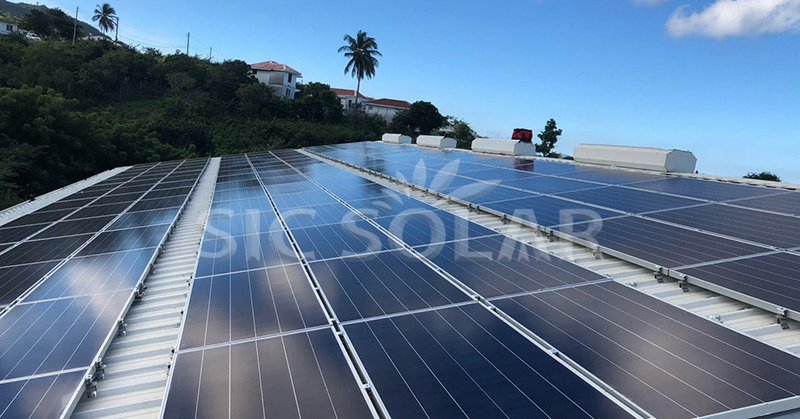
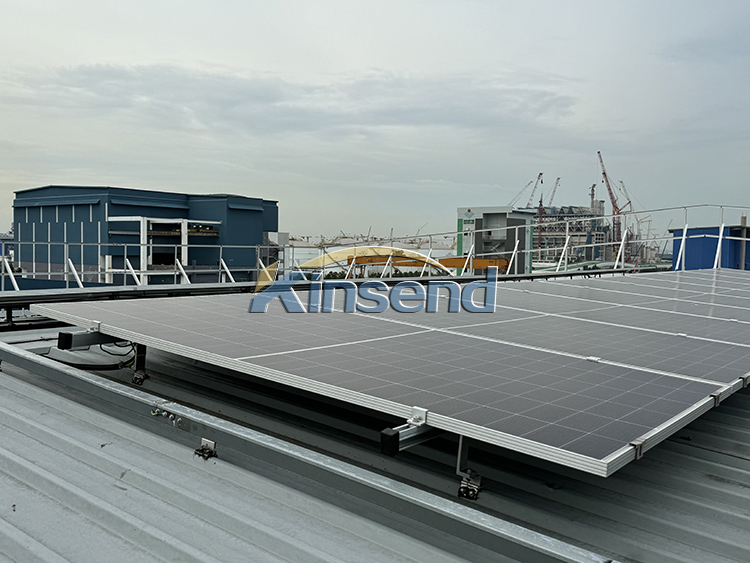
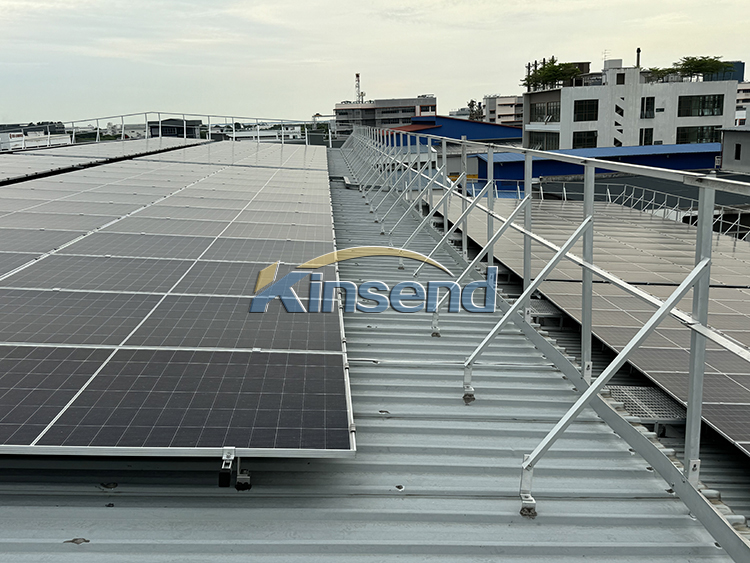
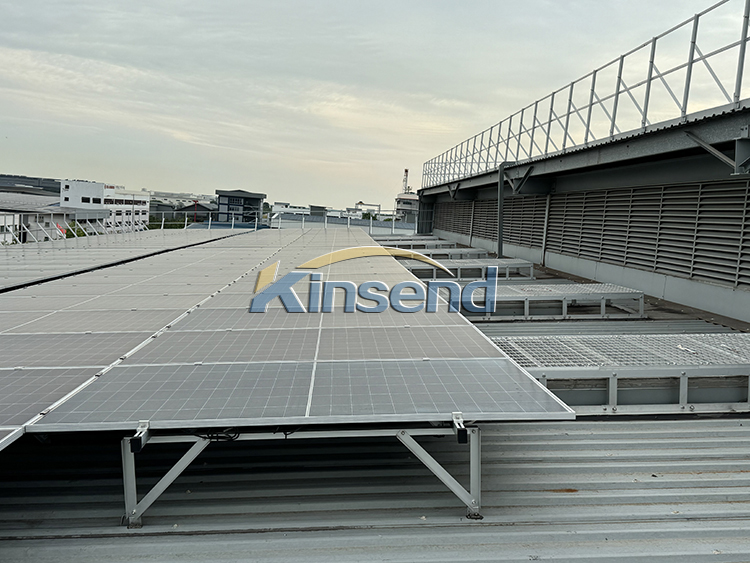
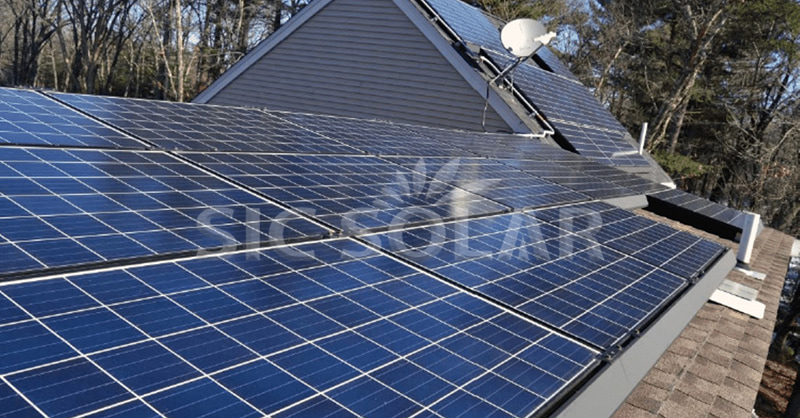
solar power rooftop system

1. Grid-Tied Solar PV Systems
The most common rooftop solar setup is the grid-tied system. In this design, solar panels generate electricity that powers the building, and any excess energy is exported to the local utility grid. This allows property owners to benefit from net metering or feed-in tariffs, depending on regional policies. Grid-tied systems do not typically require batteries, making them more affordable and easier to maintain. However, they rely on the grid for backup power, meaning they won’t function during outages. For residential rooftops with reliable grid connections, this type of system is both efficient and cost-effective.

2. Off-Grid Solar PV Systems
Off-grid systems are completely independent of the electricity grid. They use batteries to store energy, ensuring power is available even at night or during cloudy days. Off-grid rooftop solar is common in remote areas where grid access is limited or unavailable. While it offers energy independence, it requires a larger investment in storage and system components. Proper mounting structures are essential for these installations, as the panels must be optimized for maximum sunlight to ensure reliable energy generation. Companies like SIC Solar, which manufactures photovoltaic mounting brackets, provide strong and durable solutions to keep these systems secure over long lifespans.

3. Hybrid Solar PV Systems
Hybrid systems combine the benefits of grid-tied and off-grid setups. They are connected to the grid but also include battery storage, allowing excess energy to be stored for later use. This ensures a continuous power supply during outages while still taking advantage of net metering programs when connected. Rooftop hybrid systems are increasingly popular in both residential and commercial projects due to their flexibility and resilience. Though they involve higher upfront costs, they deliver greater energy security and long-term savings.

Rooftop solar systems, regardless of their electrical design, rely heavily on high-quality mounting solutions for safety, efficiency, and durability. With secure racking systems from manufacturers such as SIC Solar, installations can withstand environmental stresses while maximizing power output. By carefully choosing both the type of PV electrical system and the right support structures, rooftops can be transformed into reliable sources of renewable energy for decades.

What Is a Ground Mount Solar Mounting Structure?

When people think of solar energy systems, rooftops are usually the first image that comes to mind. However, solar panels don’t always have to be attached to a building. For properties with sufficient land, ground-mounted solar installations offer an effective and flexible alternative. At the heart of these systems lies the ground mount solar mounting structure, which is the framework that secures panels firmly to the earth while ensuring optimal orientation for energy production.

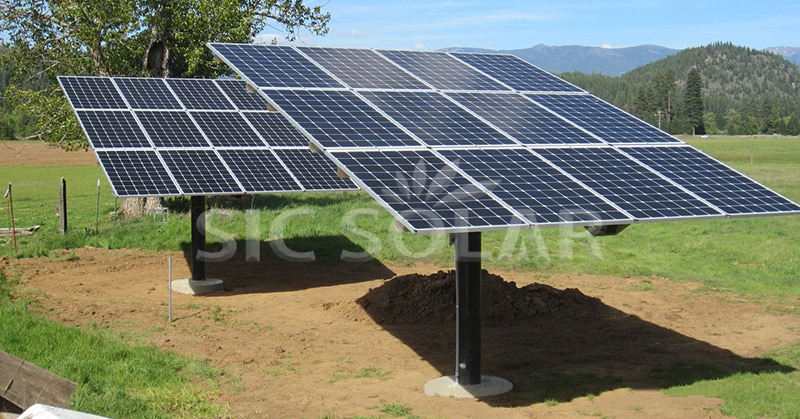
solar array ground mount

A ground mount solar mounting structure is essentially a racking system that holds solar panels above the ground, typically supported by posts, rails, or foundations. Unlike rooftop systems, which are limited by the roof’s angle and available space, ground-mounted structures can be installed at the perfect tilt and direction to capture maximum sunlight. This flexibility often results in higher energy output compared to roof-based systems.

There are generally two main types of ground mount structures: standard fixed-tilt systems and tracking systems. Fixed-tilt systems hold panels at a set angle, chosen to optimize sunlight exposure throughout the year. They are straightforward, durable, and relatively easy to install. Tracking systems, on the other hand, allow panels to move and follow the sun’s path across the sky. While more complex and costly, they can significantly increase electricity generation by keeping panels aligned with the sun for longer periods of the day.

Ground mount structures are built using durable materials like galvanized steel or anodized aluminum, which resist corrosion and withstand environmental stresses such as wind, rain, and snow. These structures must also be engineered to support the weight of multiple panels while maintaining stability over decades of use. Strong foundations, whether driven piles, concrete footings, or ballast systems, are essential to prevent shifting or tilting over time.

One of the additional benefits of ground-mounted solar is ease of maintenance. Since panels are accessible at ground level, cleaning, inspections, and repairs can be carried out more conveniently compared to rooftop systems. This accessibility helps ensure that the system maintains peak performance with minimal effort.

Companies such as SIC Solar, a manufacturer and supplier of photovoltaic mounting brackets, design ground mounting solutions that combine strength, reliability, and ease of installation. Their systems are engineered to meet the demands of both residential and commercial projects, ensuring solar panels remain secure and efficient over their full lifespan.

For anyone with open land and a desire to maximize solar energy production, ground mount solar mounting structures represent a practical and long-lasting solution. By providing stability, optimal orientation, and durability, they form the backbone of efficient solar power generation beyond the rooftop.

What Is the Disadvantage of a Solar Roof?

Solar roofs have become an attractive option for homeowners and businesses eager to embrace renewable energy without compromising aesthetics. Unlike traditional solar panels that sit atop existing roofing, solar roofs integrate photovoltaic cells directly into the roofing material, creating a seamless and modern look. While the idea is appealing, it is important to recognize the potential disadvantages before deciding if this solution is the right fit.

solar system roof tiles

One of the most notable drawbacks of a solar roof is its high initial cost. Traditional solar panels combined with mounting systems are often significantly less expensive than integrated solar roof tiles. This makes solar roofs less accessible to many households, especially when budget is a deciding factor in the shift to renewable energy.

Another disadvantage lies in installation complexity. Installing a solar roof requires specialized expertise, and not all contractors have the necessary training or certifications. The process can also take longer compared to mounting standard solar panels with reliable brackets and clamps. In some cases, homeowners may even need to replace their existing roof entirely to accommodate the solar tiles, adding to the expense and project duration.

Maintenance and repair can also present challenges. If one section of a solar roof malfunctions, repairing or replacing individual tiles may be more complicated and costly than servicing traditional panels. Accessibility is limited, and finding replacement parts can take longer. In contrast, with a conventional solar array mounted on brackets, a faulty panel can be swapped out relatively easily.

Efficiency is another point of concern. While solar roofs continue to improve, traditional solar panels often provide higher efficiency ratings. This means that to achieve the same level of power generation, more surface area may be needed, which is not always possible depending on the size and orientation of a roof.

Durability in harsh climates can also be debated. Although solar roofs are engineered to withstand typical weather conditions, extreme hail, snow, or heat may impact their longevity. Companies like SIC Solar, which specialize in manufacturing and selling photovoltaic mounting brackets, highlight the advantages of conventional panel systems that can be securely fastened and angled for optimal durability and performance.

For many homeowners, solar roofs remain a stylish but premium option. Considering the balance between cost, practicality, and energy efficiency, traditional solar panels mounted with professional-grade systems often provide a more flexible and cost-effective alternative.

Why Investing in High-Quality Solar Mounting Systems Saves You Money in the Long Run

When people think about solar energy, the focus is usually on panels, inverters, and storage solutions. However, the mounting system—the structure that holds panels in place—is often overlooked, even though it plays a crucial role in the overall success and financial return of a solar project. Choosing a high-quality solar mounting system may seem like a higher upfront expense, but in reality, it can save significant amounts of money over the life of the installation.

One of the most important reasons is durability. A well-engineered mounting system can withstand heavy wind loads, snow, and long-term exposure to harsh weather. Cheaper alternatives may corrode, loosen, or fail over time, leading to costly repairs or even damage to the panels themselves. With a reliable system in place, the risk of unexpected maintenance is drastically reduced.

Another factor is efficiency in energy production. High-quality mounting systems allow panels to be positioned at optimal angles, ensuring they receive maximum sunlight throughout the year. Even a small improvement in efficiency adds up significantly over decades of operation, directly translating to higher returns on investment.

There are also safety and compliance benefits. Inferior materials or poorly designed brackets can pose risks not only to the solar equipment but also to the building or land where they are installed. By using mounting systems that meet international standards, property owners ensure long-term safety while avoiding potential penalties or replacement costs.

From a financial perspective, high-quality mounting systems are an investment in longevity and reliability. Since solar projects are expected to last 20 to 30 years, the structural components must perform for the same lifespan. Choosing a strong, corrosion-resistant system eliminates the need for premature replacements, helping projects stay on budget.

solar roof mounting system

Companies like SIC Solar, a producer and supplier of photovoltaic mounting brackets, design their solutions with this long-term perspective in mind. Their systems are built from robust materials like anodized aluminum and stainless steel, offering resistance to rust and wear. These engineering choices ensure installations remain stable and secure for decades.

In the bigger picture, the cost of downtime, system failures, and inefficient performance far outweighs the modest savings from selecting cheaper mounting solutions. By prioritizing quality from the start, project developers, homeowners, and businesses ensure smoother operation, consistent power generation, and ultimately, greater financial returns.

Modeling and Real-Time Control of Energy Storage Using HPCS Technologies

Modeling and Real-Time Control of Energy Storage Using HPCS Technologies

HPCS


As the global transition toward renewable energy accelerates, energy storage systems (ESS) have become indispensable for maintaining grid stability, managing peak loads, and ensuring continuous power supply. However, the increasing complexity of integrating diverse power sources, variable loads, and bidirectional energy flows necessitates smarter control and management strategies. High-Performance Control Systems (HPCS) have emerged as a key enabling technology to meet these demands.

In this article, we explore how HPCS technologies enhance the modeling, simulation, and real-time control of modern energy storage systems, particularly in grid-connected and hybrid renewable applications.


The Role of HPCS in Energy Storage


HPCS


High-Performance Control Systems are advanced computational platforms equipped with real-time operating systems, high-speed processors, and optimized control algorithms. These systems are designed to handle complex, high-frequency control tasks with deterministic timing—making them ideal for managing Battery Energy Storage Systems (BESS), flywheels, supercapacitors, and hybrid storage architectures.


Key Advantages of HPCS in ESS:


  • Real-Time Processing: Millisecond-level control response for voltage, current, and frequency regulation.

  • Scalability: Modular architectures support integration with microgrids, distributed energy resources (DERs), and large-scale utility storage.

  • Advanced Algorithm Deployment: Supports implementation of model predictive control (MPC), adaptive filtering, and AI-based optimization.

  • Data Acquisition and Analytics: High-throughput data logging for diagnostics, performance optimization, and predictive maintenance.


Modeling Energy Storage Systems for Control Optimization


Before deploying real-time control strategies, a detailed and accurate model of the energy storage system is essential. HPCS platforms allow for embedded modeling, enabling real-time simulation and Hardware-in-the-Loop (HIL) testing. This is critical for validating control logic under various operating conditions.


Key Modeling Components:


  1. Electrical Model: Captures battery characteristics, equivalent circuit models (e.g., Thevenin or RC models), internal resistance, and state of charge (SoC).

  2. Thermal Model: Simulates thermal dynamics to ensure temperature control and system longevity.

  3. Degradation Model: Predicts aging and capacity fade, enabling lifecycle-aware control decisions.

  4. Grid Interaction Model: Reflects grid voltage variations, frequency deviations, and power flow constraints.

These models can be continuously updated using real-time sensor data and adaptive estimation algorithms, ensuring that the control logic remains accurate over the lifetime of the system.


Real-Time Control Strategies Using HPCS


Once a robust model is in place, HPCS can execute sophisticated real-time control strategies to ensure optimal performance and safety.

Common Real-Time Control Functions:

  • SoC and SoH Management: Precise estimation and management of battery state of charge and health.

  • Charge/Discharge Optimization: Dynamic adjustment of power flows based on load demand, electricity pricing, and renewable generation forecasts.

  • Grid Services: Frequency regulation, voltage support, spinning reserve provisioning, and black start capability.

  • Fault Detection and Recovery: Real-time monitoring for overvoltage, overcurrent, thermal excursions, and cyber-physical threats.

These functions are implemented through a layered control architecture, typically including:

  • Primary Control: Fast response for voltage/current stabilization.

  • Secondary Control: Manages SoC balance and power sharing across multiple storage units.

  • Tertiary Control: Handles economic dispatch, scheduling, and communication with grid operators or energy markets.


Deployment and Integration Considerations


Deploying HPCS for energy storage control involves both hardware and software integration:

  • Hardware Selection: Real-time processors such as ARM Cortex-R, DSPs, or FPGA-based systems with dedicated ADC/DAC channels.

  • Communication Protocols: Support for Modbus, CAN, Ethernet/IP, and IEC 61850 for SCADA and grid integration.

  • Cybersecurity: Embedded security mechanisms including encryption, authentication, and intrusion detection.

Moreover, HPCS should comply with grid codes (e.g., IEEE 1547, ENTSO-E standards) and support remote firmware updates and diagnostics.


Conclusion


High-Performance Control Systems are transforming the landscape of energy storage technology. Through accurate modeling and real-time control, HPCS platforms enable safer, more efficient, and grid-responsive storage systems. As the demand for energy resilience and flexibility grows, investing in HPCS-based solutions is not just beneficial—it's essential. yy


How to Maintain an EV Charge?

In Norway, with a new energy vehicle penetration rate exceeding 30%, some car owners' home chargers have run stably for 8 years. In contrast, in humid, hot Southeast Asia, users report frequent malfunctions within 2 years. What causes this stark difference in EV charger lifespans? It boils down to daily maintenance and device design. As a crucial link between the grid and vehicles, a charger's lifespan impacts costs and charging safety. We'll share global tips to extend charger life and spotlight devices with "longevity genes".

I. Global Consensus Among Car Owners: 6 Golden Rules to Extend EV Charger Lifespan
Car owners worldwide have summarized practical maintenance experiences based on different climatic environments. These 6 methods have been proven through practice to effectively extend the lifespan of EV chargers:
💧 Interface Cleaning: The First Line of Defense for Charging Safety
Charging interfaces are prone to dust accumulation and moisture. Use a dust cover for protection after each charge, wipe the contacts with alcohol pads monthly, and focus on cleaning the grooves of European Type 2 interfaces and the pins of American CCS interfaces.
🧵 Cable Care: Avoid "Violent Bending"
Frequent bending can cause the copper core of the charger cable to break. After use, let it hang naturally or coil it for storage. Home chargers can be equipped with hooks, and public chargers can be organized with dedicated brackets.
🌡️ Extreme Weather Protection
Targeted protection is needed for different climates: in northern regions, choose devices with low-temperature preheating functions; in tropical areas, use products with IP55 or higher waterproof ratings, and install sunshades or rain shelters if necessary.
📦 Regular Appearance Inspection
Monthly inspect cables and casings. For any signs of cracks or damage, cease use and repair promptly to avoid short circuits.
🧑‍💻 Software Updates
Regularly update the charger firmware and enable automatic update functions to enhance the device’s adaptability to power grid fluctuations.
🔋Load Management
In areas with unstable power grids, using devices with overvoltage protection or dynamic load adjustment functions can extend the lifespan by 40%.II. Devices with Inherent "Longevity Genes": Designs That Make Maintenance Easier
New-generation devices integrate the concept of "less maintenance, longer lifespan" into their design. Our products draw inspiration from global extreme environment cases and feature the following hassle-free designs:
♨️Military-Grade Protection: EC01 Commercial Charger
Adopts an IP65 fully enclosed weather-resistant ABS shell and has passed extreme tests from -40℃ to 70℃. After 3 years of exposure to sun and rain at an open-air charging station in Thailand, the shell remains un cracked and the interface shows no oxidation, requiring only daily wiping for maintenance.
🧑‍💻 Intelligent Self-Inspection System: EP01/EP02 Home Chargers
Equipped with 16 real-time monitoring items, automatically detecting temperature, insulation, voltage, etc. When dust affects charging or voltage is abnormal, the APP sends cleaning reminders and automatically cuts off power in case of overload, making it more proactive than traditional devices.
🧵Tool-Free Maintenance
The charging gun cable is replaceable, and the interface module can be disassembled and cleaned by hand. Combined with a dust cover, users can easily complete basic maintenance, reducing reliance on professional repairs.
⚡Adaptive Power Grid: D30 Fast Charger
Fully compatible with 100-240V wide-range voltage and intelligently adjusts loads. In tests in New Delhi, India, its anti-voltage shock performance exceeded the industry average by 50%, making it suitable for global power grids.III. Longevity Is Not Just About "Lasting Long", But Also About "Running Stably"
Data from a Dutch charger laboratory shows that the performance of ordinary devices drops by 30% after 5,000 charging cycles, while devices equipped with high-quality components and intelligent protection can still maintain over 90% efficiency after 10,000 cycles. Choosing the right device not only reduces replacement costs but also ensures a long-term stable charging experience.
If charger glitches bother you or you're eyeing a reliable unit, click www.fescharging.com for tailored solutions. Remember, picking a low-maintenance charger is key to long-term ease.

Want to Save Big on EV Charging?

As electric vehicles gain global popularity, charging costs have become a key concern for both individual owners and commercial operators. By 2024, China alone had over 30 million new energy vehicles, making electricity expenses unavoidable. Time-of-Use (TOU) Pricing – a dynamic system tied to grid demand – splits the day into peak, flat, and off-peak periods. Prices rise during peak hours to ease grid strain and drop significantly during off-peak times, with peak rates reaching up to three times off-peak levels in some cities. This difference creates major savings opportunities.

🔋TOU Pricing not only optimizes power allocation but also cuts costs: industry data shows individual owners can reduce annual charging expenses by 20%-35%, while commercial operators save 15%-25% through large-scale off-peak charging. As a leader in new energy charging, our smart products fully support TOU adaptation, helping users balance green energy use with cost savings worldwide.
💵The logic is simple: use low off-peak grid prices (e.g., 23:00-07:00) to auto-adjust charging times, avoiding high peak rates. This saves money for individual owners and delivers long-term cost reductions for commercial scenarios like charging networks and corporate fleets.
💥Key advantage: our top EV charging products all support TOU settings for diverse needs:

🔌EP01/EP02: Home portable essentials. Use the app to preset off-peak times with one click – set before bed for a full, cost-effective charge by morning. Built-in AI learns your driving habits (e.g., tracking weekly travel patterns) to recommend optimal charging windows, making energy savings effortless.

🪨EC01: Commercial wall-mounted charger for multi-scenario use. Batch-set TOU strategies to cut costs and boost efficiency. Manage hundreds of units centrally via backend systems, ideal for malls and offices needing scalable, cost-controlled charging solutions.

🌴D30: High-power DC fast charger with smart time-sharing. It balances fast charging with price optimization, perfect for fleet refueling. Dynamic power adjustment ramps up during off-peak times for quick charging and reduces during peaks to avoid high fees – saving ~¥3,000/month for 10-vehicle fleets in tests.

☀️CANNON-300: Industrial-grade solution with precise TOU response and load adjustment. Seamlessly connects to enterprise energy management systems, monitoring real-time price fluctuations and power loads. It allocates more power during off-peak periods and prioritizes critical equipment during peaks, balancing cost and efficiency.

Whether for home or business, TOU-enabled chargers make electricity use smarter and costs more manageable. To learn more, click here.
 

What's in Home EV Charger Market?

With the global push for green travel, electric vehicles are growing in popularity. Home EV chargers, a daily essential, have become a focus of market trends. Analyzing market features and usage across countries helps match consumers with the right products. Below, we'll introduce two of our home chargers: EP01/02 and EC01.
🌍 Global Home EV Charger Market Landscape & Adoption Trends
📈Market Size and Growth Trend
With the continuous rise in the ownership of electric vehicles, the market size of home electric vehicle chargers is also expanding rapidly. According to relevant data forecasts, the global home electric vehicle charger market will grow at a relatively high compound annual growth rate in the next few years.
🏙️Usage in Various Countries
⭐️European Region: The penetration rate of home charging facilities in the UK reaches 93%, and the usage rate of smart chargers exceeds 50%; in Germany, the penetration rate is 71%. In terms of policies, many countries promote the installation of home chargers through subsidies and tax incentives, and the charging technology standards are unified (mostly using European standard plugs), which is conducive to product promotion.
⭐️North American Region: The penetration rate of home charging facilities in the United States is 82%. The IRA Act has increased the tax credit for charging facilities from \(1,000 to \)4,000, stimulating the demand for high-end smart charging piles. Consumers prefer intelligent and convenient products.
⭐️Asian Region: China's new energy vehicle sales in 2024 were 11 million units, accounting for 64.3% of the global total, indicating great potential in the home charging pile market. Countries such as Japan and South Korea are also increasing investment in electric vehicle infrastructure, and the home charger market continues to expand.

🔬Product Technology Development Trend

Home EV chargers are evolving towards higher efficiency, intelligence, and safety. Currently, 7kW AC slow chargers dominate the market at 85%. DC fast chargers (20kW+) see 12% annual cost drops, aiming for 35% household adoption by 2030. Smart features like APP - controlled remote operation, scheduled charging, and status monitoring are standard. Safety has multiple layers, including overload, over - temperature, and leakage protection.
💥EP01/02
⭐️Multi-Mode Voltage, Flexible Adaptation
EP01 and EP02 support 3.5kW/16A and 7kW/32A dual voltage modes. Opt for 3.5kW in old residential areas or low-load scenarios, and 7kW for fast charging large-battery EVs.
⭐️Intuitive Interaction, Effortless Operation
EP01 uses multi-functional indicator lights to show charging status. EP02 features a display screen for real-time data like power, electricity, and estimated time—ideal for beginners.
⭐️European Standard, Plug-and-Play
Both models come with European standard plugs, compatible with international sockets. No adapters or circuit mods needed, perfect for home and cross-regional use.
💥 EC01
⭐️Strong Protection, Adaptable to Complex Environments
The EC01 wall-mounted charger, suitable for garage or outdoor installation, features high IP rating for dustproof, waterproof, and corrosion resistance. It ensures stable operation in extreme weather for safe charging.
⭐️Intelligent Connection, Convenient Charging
With Wi-Fi/BT support and dedicated app, schedule charging via phone to optimize off-peak rates. Real-time status monitoring and history tracking enable smart management.
⭐️Flexible Installation, Diverse Power Options
Available in wall-mounted or floor-standing models, it offers 7kW/32A & 11kW/16A for home, and 22kW/32A for commercial use, catering to various charging needs.
In the current booming global home electric vehicle charger market, our EP01/02 and EC01 products, with their unique design, rich functions, and excellent performance, can meet the diverse needs of consumers in different countries and scenarios. Click www.fescharging.com to learn more.

Advantages of Hydrogen Bikes

    Compared with traditional bicycles and electric bicycles, hydrogen bicycles have many significant advantages, which are mainly reflected in environmental protection, endurance and convenience of use, as follows:

1. Environmental protection and zero emission

    Hydrogen bicycles are powered by hydrogen fuel cells, which only emit water vapor when working, and are completely free of pollutants such as carbon dioxide and nitrogen oxides. They are far more air-friendly and environmentally friendly than fuel vehicles, and are also better than some electric vehicles that rely on thermal power generation for charging.

2. Long battery life

    A tank of hydrogen (usually a few dozen grams) can support a hydrogen-powered bicycle to travel 50-100 kilometers. The range is far longer than that of ordinary electric bicycles (usually 30-70 kilometers), and is close to or exceeds that of some fuel-assisted bicycles, which can meet the needs of medium and long-distance travel.

3. Fast hydrogenation speed

    It only takes 3 to 5 minutes to refill hydrogen, which is comparable to the refueling speed of a fuel vehicle and much faster than the several hours of charging time for an electric bicycle. This greatly reduces waiting time and improves usage efficiency.

4. Lightweight and flexible structure

    The weight of the hydrogen fuel cell system and hydrogen storage tank is relatively controllable, and the weight of the entire vehicle is usually lighter than that of an electric vehicle equipped with a large-capacity battery, making it more labor-saving to ride and easier to carry.

5. Stable low temperature performance

    Hydrogen fuel cells can still work normally in low temperature environments (such as -20℃), while the endurance of traditional lithium battery electric vehicles will be greatly reduced in low temperatures. Therefore, hydrogen bicycles are more practical in cold areas.

6. Low reliance on energy supplements

    Hydrogen can be produced in a variety of ways (such as electrolysis of water, industrial by-product hydrogen, etc.). If the hydrogen refueling station network is gradually improved in the future, its energy replenishment flexibility will be better than electric vehicles that rely on power grid charging.

    However, the popularization of hydrogen-powered bicycles currently still faces problems such as insufficient hydrogen refueling station facilities and high costs of hydrogen storage tanks. But in the long run, its advantages in environmental protection and endurance make it one of the important options for future green travel.

Comparison of Hydrogen Fuel Cell Power Systems and Hydrogen Internal Combustion Engines

    The basic principle of hydrogen fuel cells is to convert the chemical energy found in fuel into electrical energy through electrochemical reactions.The working principle of a hydrogen fuel cell involves hydrogen being broken down into electrons and hydrogen ions (protons) by a catalyst (platinum) in the fuel cell's anode. Protons pass through the Proton Exchange Membrane to the cathode, where they react with oxygen to form water and heat. The corresponding electrons flow from the anode to the cathode through an external circuit, generating electrical energy.The structure of hydrogen fuel cell stacks primarily consists of bipolar plates, membrane electrodes (proton exchange membrane coated with catalyst layer), gas diffusion layers, insulating plates, etc. Then, based on the stack, additional systems such as the air system, hydrogen system, electronic and electrical system, and water-thermal management system are integrated to form a hydrogen fuel cell power system, which is essentially a hydrogen fuel cell engine.

    Hydrogen internal combustion engines obtain power by burning hydrogen, and this type of engine, like conventional fuel engines, operates on four strokes: intake, compression, power, and exhaust, with hydrogen replacing conventional fuels.Taking the Cummins engine as an example, the structure of the hydrogen internal combustion engine is essentially similar to that of a natural gas engine, which includes components such as the cylinder block, crankshaft, cylinder head, ignition system, and mounting parts; parts of hydrogen internal combustion engines and diesel engines are also partly interchangeable, such as cylinder blocks, crankshafts, supports, flywheel housings, and other mounting components. The high degree of similarity and interchangeability of these components can utilize the economic advantages of Cummins hydrogen internal combustion engines, enhance equipment reliability, and provide crucial support in the industry's transition to low-carbon practices.

    The similarities between both require hydrogen and oxygen to participate in the reaction; All fuel storage units and hydrogen storage tanks are required; can power the vehicle. The difference is that the two generate energy in different ways, which also leads to a significant difference in efficiency, so fuel cell vehicles will have more mileage under the same hydrogen consumption; The way engines are built is also completely different; Fuel cells are more environmentally friendly than hydrogen combustion engines. In addition, there is no difference in the speed of energy release, and both internal combustion engines and fuel cells can achieve short-term high-power output.
    Compared with the two routes, the advantages of hydrogen fuel cells are high conversion efficiency, low pollution emissions, and high degree of commercial application, especially in terms of conversion efficiency, the thermal efficiency of hydrogen fuel engines is difficult to exceed 45%, while the conversion efficiency of hydrogen fuel cells can reach more than 60%.
    The advantages of hydrogen fuel engines are low cost (about 10% of fuel cells), low requirements for the purity of hydrogen, and the ability to be retrofitted with existing fuel engines. In addition, hydrogen internal combustion engines are more suitable for use in commercial vehicles such as medium- and heavy-duty trucks due to their higher output efficiency under high load conditions.