Application Scenarios of Alkaline Water Electrolysis Hydrogen Production Units

I. Industrial Sector

(1)Chemical Synthesis: In chemical production, it is used to synthesize important chemical raw materials such as ammonia and methanol, providing hydrogen sources for related industries.

(2)Metal Processing: During the smelting and processing of metals, it is utilized in processes like metal reduction and heat treatment to enhance the quality and performance of metals.

II. Energy Sector

(1)Grid Energy Storage: Excess electrical energy from the power grid can be converted into hydrogen for storage. During peak electricity demand periods, the stored hydrogen can be converted back into electricity through means such as fuel cells, achieving peak shaving and valley filling of the power grid and improving its operational stability and flexibility.

(2)Distributed Energy Systems: Combined with renewable energy generation devices like solar and wind power, it helps construct distributed energy systems, addressing the intermittency and instability issues of renewable energy generation and ensuring a stable energy supply.

III. Transportation Sector

(1)Hydrogen Fuel Cell Vehicles: It provides high-purity hydrogen for hydrogen fuel cell vehicles as their power source. These vehicles offer advantages such as zero emissions and long driving ranges, contributing to the reduction of carbon emissions in the transportation sector.

IV. Other Sectors

(1)Hydrogen-based Metallurgy: In the steel industry, it is used for the direct reduction of iron ore, replacing the traditional coke-based ironmaking process and reducing carbon dioxide emissions.

(2)Electronics Industry: It provides high-purity hydrogen for processes like reduction and cleaning in semiconductor manufacturing and electronic component production within the electronics industry.
Direct methanol fuel cell (DMFC) science

Hydrogen is a very active reducing agent (fuel). Thus, in hydrogen-oxygen fuel cells, very high operating currents and high specific power values per unit weight can be achieved. However, the handling, storage, and transportation of hydrogen fuel is complex. This is primarily a problem for relatively small portable power plants. For such a plant, liquid fuels are more realistic.
Methanol is a very promising fuel for small portable fuel cells. It is more convenient and less dangerous than gaseous hydrogen. Compared to petroleum products and other organic fuels, methanol has a fairly high electrochemical oxidation activity (although not as high as hydrogen). Its chemical energy ratio content is about 6 kWh/kg, which is lower than that of gasoline (10 kWh/kg), but quite satisfactory. For this reason, its application in fuel cells for power plants in electric vehicles and different portable devices is widely discussed today.

The operation of DMFCs has fundamental problems that do not exist in proton exchange membrane fuel cells. In the latter, the membrane is practically impermeable to reactants (hydrogen and oxygen), preventing them from mixing. In contrast, in DMFC, the membrane is partially permeable by methanol dissolved in an aqueous solution. For this reason, some methanol penetrates from the anode part of the battery through the membrane to the cathode part. This phenomenon is called cross-curium-crustic ethanol. This methanol is directly oxidized by gaseous oxygen on a platinum catalyst without producing useful electrons. This has two consequences: (i) a significant portion of the methanol is lost in the electrochemical reaction, and (ii) the potential of the oxygen electrode shifts to a lower positive value, so the operating voltage of the fuel cell decreases. Despite many investigations conducted so far, it has not been possible to fully address this issue.
One potential application area for DMFC is low-power (up to 20W) power supplies for electronic devices such as laptops, camcorders, DVD players, mobile phones, medical devices, and more. At present, the application of DMFC as a power source for electric vehicles is very far away. Despite a great deal of research, DMFCs are still not in commercial production or widely used in practical use compared to proton exchange membrane fuel cells.

PEM vs. alkaline electrolyzer Which hydrogen production technology is more suitable for your needs?

In the selection of hydrogen production technology, the choice between proton exchange membrane (PEM) electrolyzer and alkaline electrolyzer requires a comprehensive consideration of many factors. The following comparison will help you make a decision:

I. Technical performance

1. Current density and energy consumption

Alkaline electrolyzer: The current density is usually 0.2–0.4 A/cm², and the system energy consumption of the two is similar.

PEM electrolyzer: The current density reaches 1–2 A/cm², and the system energy consumption of the two is similar.

2. Load range and response speed

• Alkaline electrolyzer: Load adjustment range 40-100%, slow start and stop speed (hot start 1–5 minutes, cold start 1–5 hours), not suitable for intermittent energy such as wind power/photovoltaic power - pressure balance is required to avoid gas leakage.

• PEM electrolyzer: Load range 0%–120%, fast start and stop (hot start <5 seconds, cold start 5–10 minutes), very suitable for matching fluctuating renewable energy.

2. Cost factors

1. Equipment cost

• Alkaline electrolyzer: low cost, electrodes do not contain precious metals. The domestic market share is high, and the equipment price is only 1/4–1/6 of PEM.

• PEM electrolyzer: high cost (overseas price is 1.2–1.5 times that of alkaline, and 4–6 times that of domestic), because the catalyst requires precious metals such as iridium and platinum. However, overseas price performance is better, and domestic production is reducing costs through localization and scale.

2. Operating cost

• Alkaline electrolyzer: low equipment cost, high energy consumption, and energy consumption optimization in the future.

• PEM electrolyzer: low energy consumption can reduce costs, but equipment and precious metal expenses push up overall operating costs, and cost reduction depends on increasing current density, reducing iridium usage and localization.

3. Application scenarios

1. Alkaline electrolyzer applicable scenarios:

• Large-scale industrial hydrogen.

• Scenarios with low water quality requirements: ordinary deionized water can be used, suitable for areas with limited high-purity water supply.

2. PEM electrolyzer applicable scenarios:

• Renewable energy coupling scenario (wind power/photovoltaic): fast response, wide load range, suitable for off-grid distributed hydrogen production (such as islands, mining areas).

• High-purity hydrogen scenario (such as hydrogen refueling station): directly produce high-purity hydrogen without additional separation.

IV. Future trends

• Alkaline electrolyzer: focus on reducing energy consumption (upgrading diaphragms/catalysts) and improving current density to further optimize cost performance.

• PEM electrolyzer: through technological breakthroughs (reducing the use of precious metals), localization and scale-up cost reduction, it is expected that the market share will expand after the cost reduction.

Summary

• Choose alkaline electrolyzer: if the demand is large-scale low-cost hydrogen production, and the purity of the water source needs to be taken into account.

• Choose PEM electrolyzer: if you focus on fast response, adapt to the fluctuations of renewable energy, pursue high-purity hydrogen, and can accept a higher initial investment.

Zero carbon hydrogen energy

Green hydrogen is hydrogen obtained by splitting water from renewable energy sources such as solar and wind energy, and when it is burned, it produces only water, achieving zero carbon dioxide emissions from the source, so it has earned the excellent title of "zero-carbon hydrogen".
Although hydrogen energy is a clean and sustainable new energy source that does not emit carbon dioxide in the process of releasing energy, the current process of producing hydrogen energy is not 100% "zero-carbon". For example, the production of gray hydrogen and blue hydrogen, the other two brothers of green hydrogen, is divided into three categories: gray hydrogen, blue hydrogen, and green hydrogen, according to the source of production and the emissions in the production process.
Grey hydrogen is produced by the combustion of fossil fuels such as oil, natural gas, coal, etc., and although the manufacturing process is low-cost, gray hydrogen is the least popular among the "three brothers" due to the large amount of carbon dioxide emitted from the whole process.
Blue hydrogen is an "upgraded" version of grey hydrogen, made from fossil fuels such as coal or natural gas. While natural gas is also a fossil fuel and produces greenhouse gases when producing blue hydrogen, advanced technologies such as carbon capture, storage and utilization can capture greenhouse gases and ultimately enable low-emission production with reduced environmental impact. Grey hydrogen is used as a fuel for transportation, which actually emits more than direct diesel and gasoline. Compared with grey hydrogen obtained from industrial raw materials, green hydrogen is more pure and has fewer impurities, making it more suitable for fuel cell vehicles and promoting the clean transformation of the transportation sector.
In the chemical industry, hydrogen is often used as a feedstock for the production of ammonia methanol and other chemicals. The emergence of green hydrogen not only contributes to the deep decarbonization of the ammonia production process, but also replaces natural gas and coal for the production of green methanol, reducing carbon emissions in the production of chemicals.
In addition, asphalt can also solve the problem of excess renewable energy generation, and reuse curtailment of wind, solar and water, thereby increasing the utilization rate of renewable energy.
In 2022, the proton exchange membrane water electrolysis hydrogen production system of the Dachen Island Hydrogen Energy Comprehensive Utilization Demonstration Project in Zhejiang Province successfully achieved hydrogen production. Tourism and aquaculture are the island's two pillar industries, and the "green hydrogen ™ integrated energy system can supply electricity and heat for homestays, hotels, villas, etc." The oxygen produced in the hydrogen production process can be provided to yellow croaker farmers, giving full play to the value of hydrogen production by-products and providing impetus for the development of the local aquaculture industry. Green hydrogen is so good, isn't its appearance fee very "expensive"? The amount of electricity required to produce hydrogen by electrolysis is huge, and it takes about 50 kilowatt-hours of electricity to produce one kilogram of hydrogen, which is prohibitively expensive. However, with the further maturity of wind power, tidal power, solar power generation and other technologies, the production cost of green electricity has been reduced, which indirectly reduces the production cost of green hydrogen.
Green hydrogen is no longer "unattainable", and the production of hydrogen through electrolysis of water through photovoltaic power generation not only achieves no carbon emissions in the production process, but also achieves zero carbon emissions in the use process, achieving truly double the clean. It is believed that with the further maturity of future technologies, "green hydrogen" will become one of the important and major new energy sources in the future, and contribute more to the realization of the dual carbon goals.

Immersion Liquid Cooling The Strategic Choice for Next-Gen Data Center Performance

In the age of high-performance computing, artificial intelligence , and machine learning , data centers are under increasing pressure to deliver greater performance while reducing their environmental impact. Traditional air-based cooling systems are no longer sufficient for today’s high-density IT workloads, especially as GPU-based systems continue to scale in demand.
 
At Coolnet, we are committed to leading the shift toward more sustainable, energy-efficient data center infrastructure. Our advanced Immersion Liquid Cooling Solution offer a cutting-edge alternative to traditional air-cooling methods, providing the high thermal efficiency,scalability, and eco-friendliness that modern data centers require.

What Is Immersion Liquid Cooling?
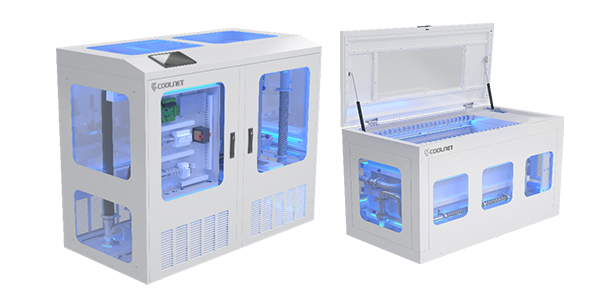
Immersion Liquid Cooling is an innovative thermal management approach where IT equipment—such as servers or entire racks—is fully submerged in a dielectric,non-conductive fluid. This fluid directly absorbs the heat generated by the components and transfers it to an external heat exchange system, significantly improving thermal performance and reducing energy usage.
 
At the heart of the solution is a specially designed enclosure that houses the IT hardware. The dielectric fluid efficiently removes heat and circulates through a closed-loop system, which can include plate heat exchangers, dry coolers, or chilled water systems—depending on the deployment.
 
Key Features of Immersion Liquid Cooling Technology
1.High-Performance Dielectric Fluids
Uses high-grade dielectric fluids with excellent thermal conductivity, chemical stability, and electrical insulation. These fluids ensure maximum safety and long-term reliable performance in critical environments.

2. Custom-Built Immersion Enclosures
Immersion tanks are designed for optimal fluid flow, easy maintenance, and seamless integration into new or existing infrastructure. Designs can be tailored to accommodate various rack densities and space requirements.

3. Scalable Heat Rejection Systems
Modular cooling infrastructure integrates with a facility’s thermal loop, including liquid-to-liquid heat exchangers and hybrid cooling towers, enabling efficient heat rejection even under extreme workloads.
Immersion Liquid Cooling
Advantages for Data Center Operators
✔ Superior Cooling Efficiency
Immersion Liquid Cooling delivers 100–1000 times the thermal conductivity of air, enabling IT racks to support power densities well beyond 100kW. This makes it ideal for AI training, edge computing, and HPC environments.
✔ Reduced Power Usage & Operational Costs
By eliminating the need for traditional CRAC/CRAH units and fans, Immersion Liquid Cooling significantly reduces energy consumption—achieving much higher energy efficiency compared to conventional cooling methods. This leads to substantial long-term cost savings.
✔ Extended Equipment Lifespan
Operating IT components at lower, more stable temperatures reduces thermal stress and failure rates, increasing system reliability and decreasing maintenance frequency.
✔ Compact & Space-Efficient Deployment
Immersion Liquid Cooling allows for higher component density in a smaller footprint, helping optimize valuable data center space and reducing building infrastructure requirements.
 
Coolnet: Your Partner in Sustainable Data Center Innovation
With over 32,000 square meters of advanced manufacturing space and in-house expertise in cooling technology, Coolnet is a trusted provider of integrated solutions for data center infrastructure. Our Immersion Liquid Cooling systems are designed to meet the growing demands of next-generation IT workloads while supporting your organization’s energy efficiency and ESG goals.
 
Whether you're building a greenfield hyperscale facility or upgrading an existing server room, Coolnet’s Immersion Liquid Cooling solutions provide the performance, reliability, and sustainability your business needs to succeed in the digital age.
 
Contact the Coolnet team for expert consultation and tailored solutions.
Tel/whatsapp:+86-18326091011


123444


Durable Construction: Made from galvanized aluminum-zinc, achieving IP3X protection and reliable anti-misoperation features.


2017 The 122nd Canton fair

When tomorrow turns in today, yesterday, and someday that no more important in your memory, we suddenly realize that we are pushed forward by time.This is not a train in still in which you may feel forward when another train goes by.It is the truth that we've all grown up.And we become different.

353q53453q545

Durable Construction: Made from galvanized aluminum-zinc, achieving IP3X protection and reliable anti-misoperation features.

BYD Solar Energy Storage & Recovery Integration Project

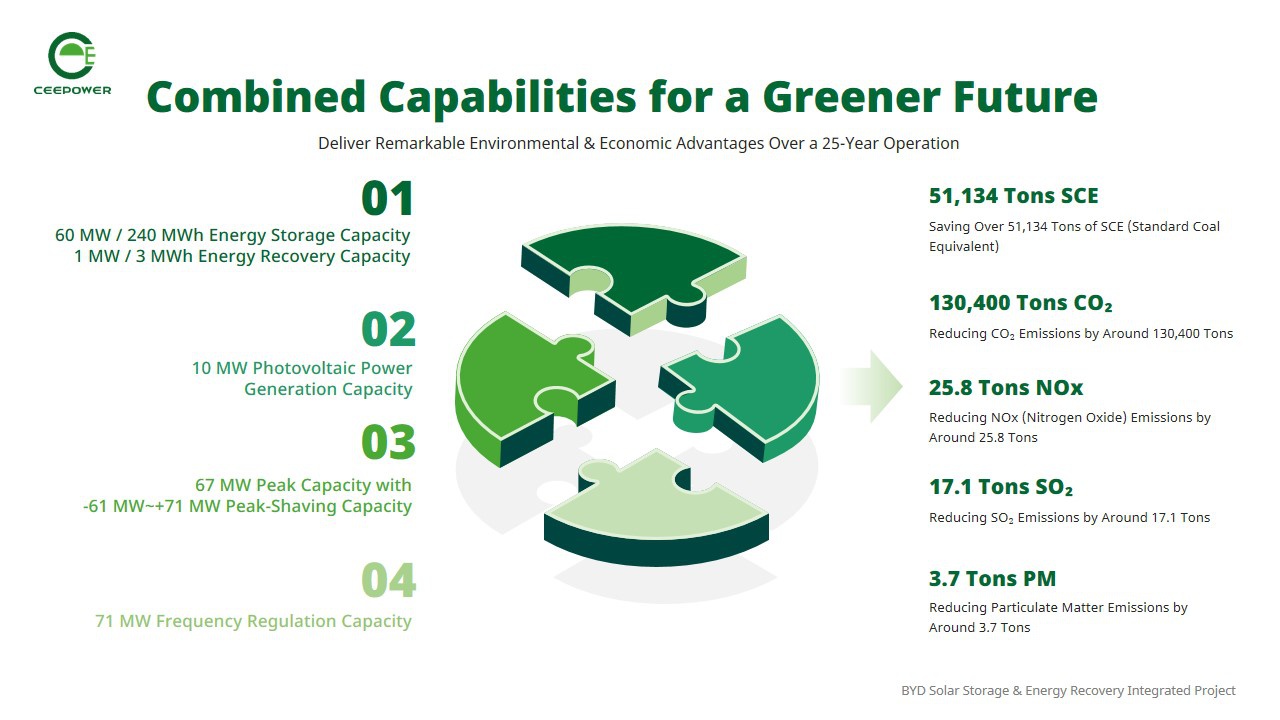
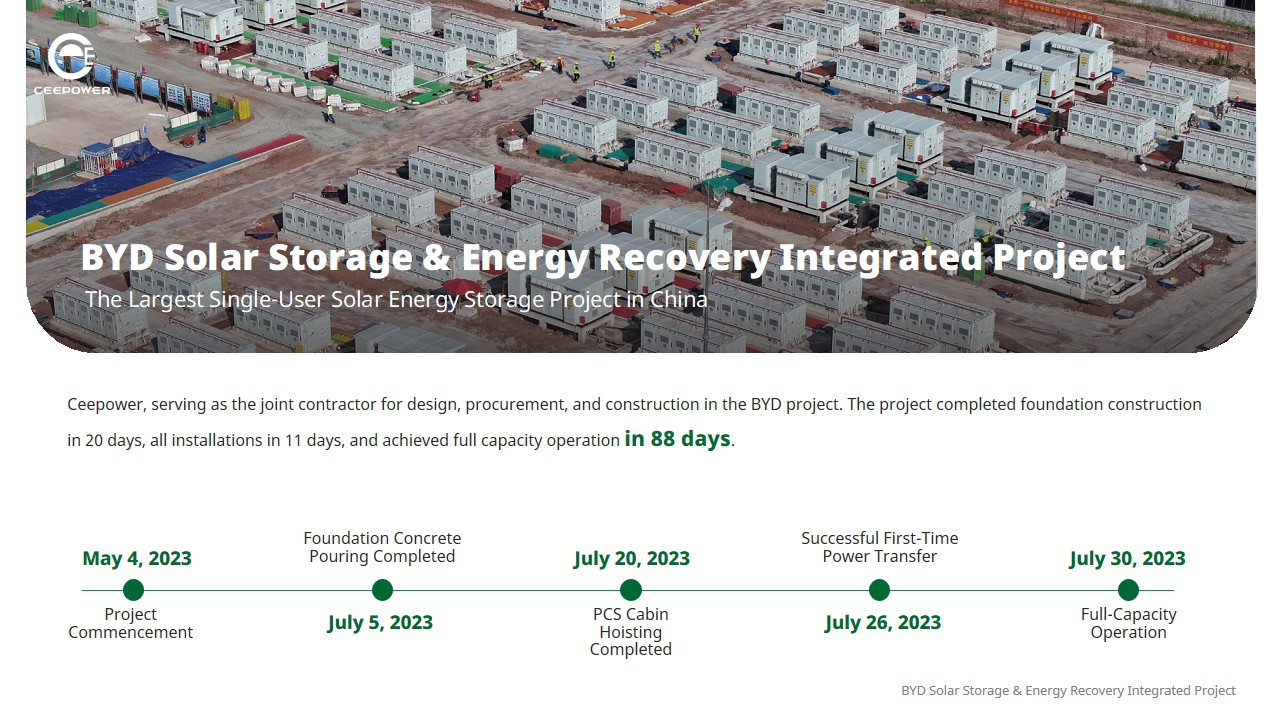
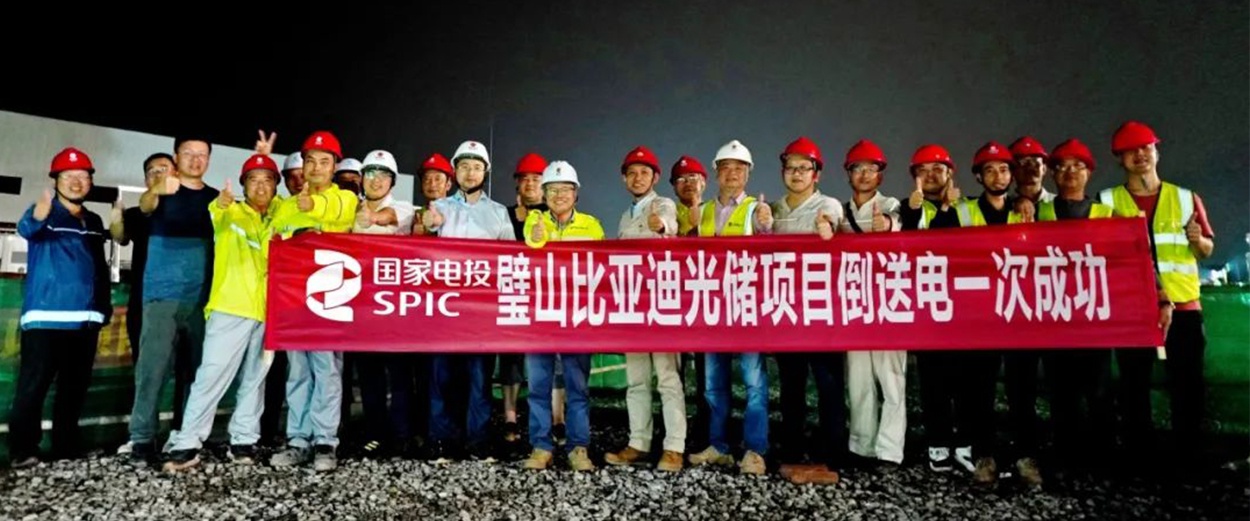
At 11:08 PM on July 30, 2024, Ceepower successfully completed the commissioning of the BYD Solar Energy Storage & Recovery Integration Project in Chongqing, achieving full-capacity operation.


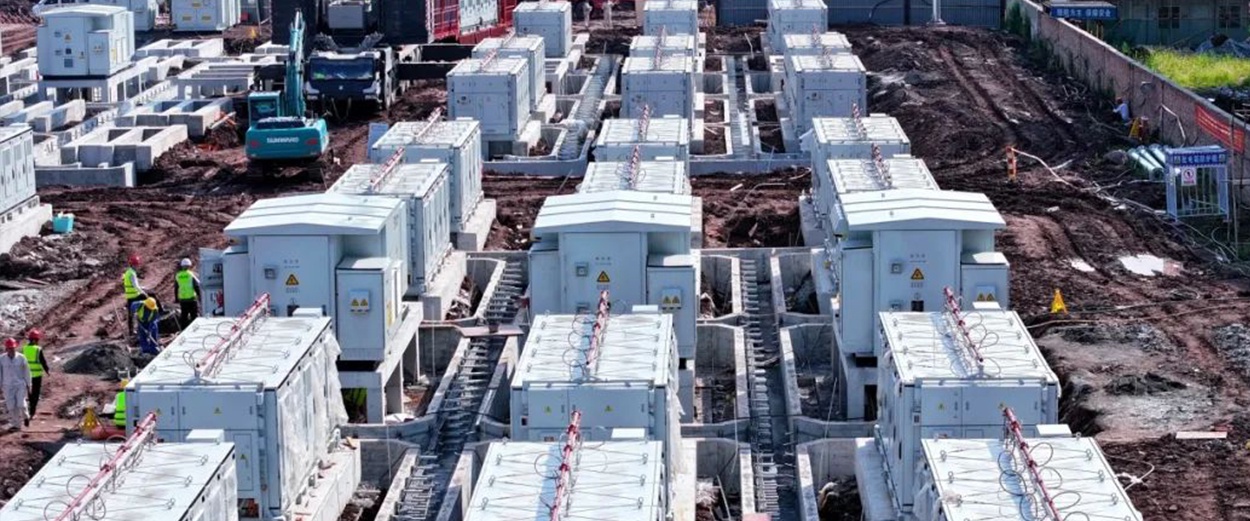
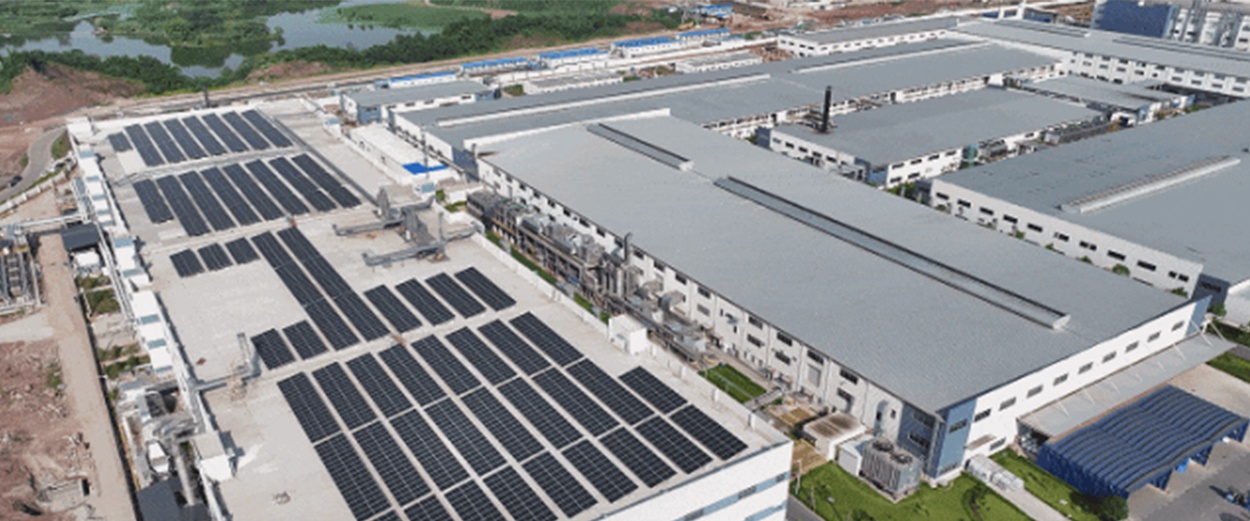
This project, a key peak-load power source for Chongqing’s summer energy supply, is the largest single-user solar+energy storage project in the country. It consists of a 60 MW/240 MWh energy storage system, 10 MW of photovoltaic power capacity, and an energy recovery system, with a peak-load capacity of 67 MW. As a core component of the Bishi Integrated Smart Zero-Carbon Power Plant, the project will enable smart energy management, aggregating various resources such as generation, consumption, and storage to ensure reliable power supply during peak demand periods.


Accelerating Construction to Meet Energy Demands

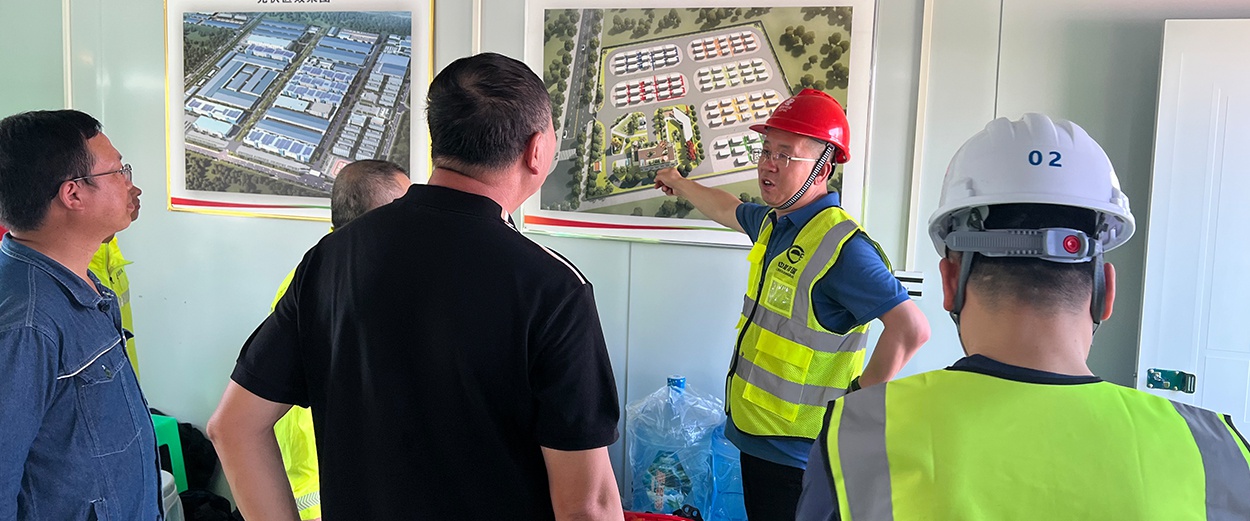
The BYD Project was launched as part of a commitment to support Chongqing's peak-load electricity needs. With a tight timeline to increase peak-load capacity before summer, the project focused on speed and efficiency. Ceepower, as the joint design, procurement, and construction partner, recognized the importance and urgency of the project. Leveraging its technological innovation strengths, Ceepower worked alongside all project stakeholders to implement a rigorous construction schedule. The team adopted a "5+2" and "day-and-night" work strategy, optimizing construction processes to achieve rapid results: the civil construction was completed in 20 days, the installation in 11 days, and the full-capacity operation in just 88 days.


Overcoming Challenges to Ensure Successful Completion

Throughout the project, Ceepower maintained a strong focus on engineering quality, safety, schedule, and cost control. Drawing on its capabilities in power equipment R&D, comprehensive energy services, and technological innovation, Ceepower collaborated closely with partners to optimize designs and enhance project management. Despite challenges such as tight deadlines, heavy workloads, high temperatures, and rainy season disruptions, the team ensured the project was delivered ahead of schedule, meeting quality and performance targets. This successful completion of the BYD Project was a significant achievement, showcasing Ceepower’s ability to turn ambitious goals into reality.


 Paving the Way for Future Energy Storage Solutions

The completion of the BYD Project represents both a major challenge and a powerful validation of Ceepower’s capabilities. In the rapidly developing energy storage sector, Ceepower is committed to advancing core technologies for large-capacity, long-cycle, low-cost, and high-safety energy storage systems. These technologies meet the growing demand for "new energy+energy storage" applications, providing integrated clean energy solutions that contribute to grid stability, support corporate green transitions, and offer reliable options for safe electricity use.


This project marks a new chapter for Ceepower in the energy storage field, setting a benchmark for future developments and collaborations, and reinforcing Ceepower's leadership in the clean energy transition.


Ceepower and MEMF Forge Strategic Partnership to Drive Energy Transition

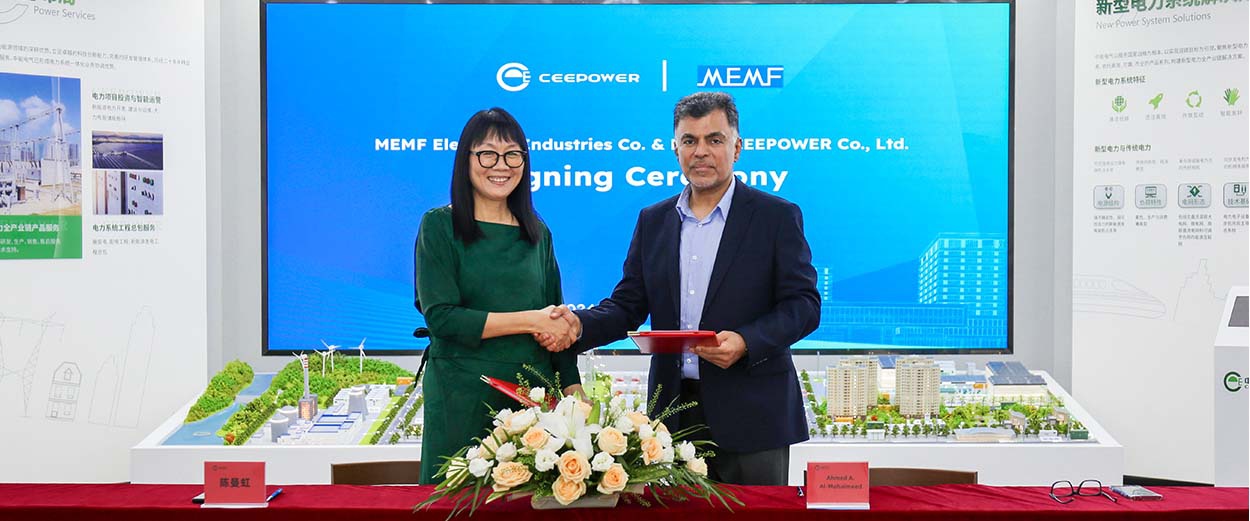
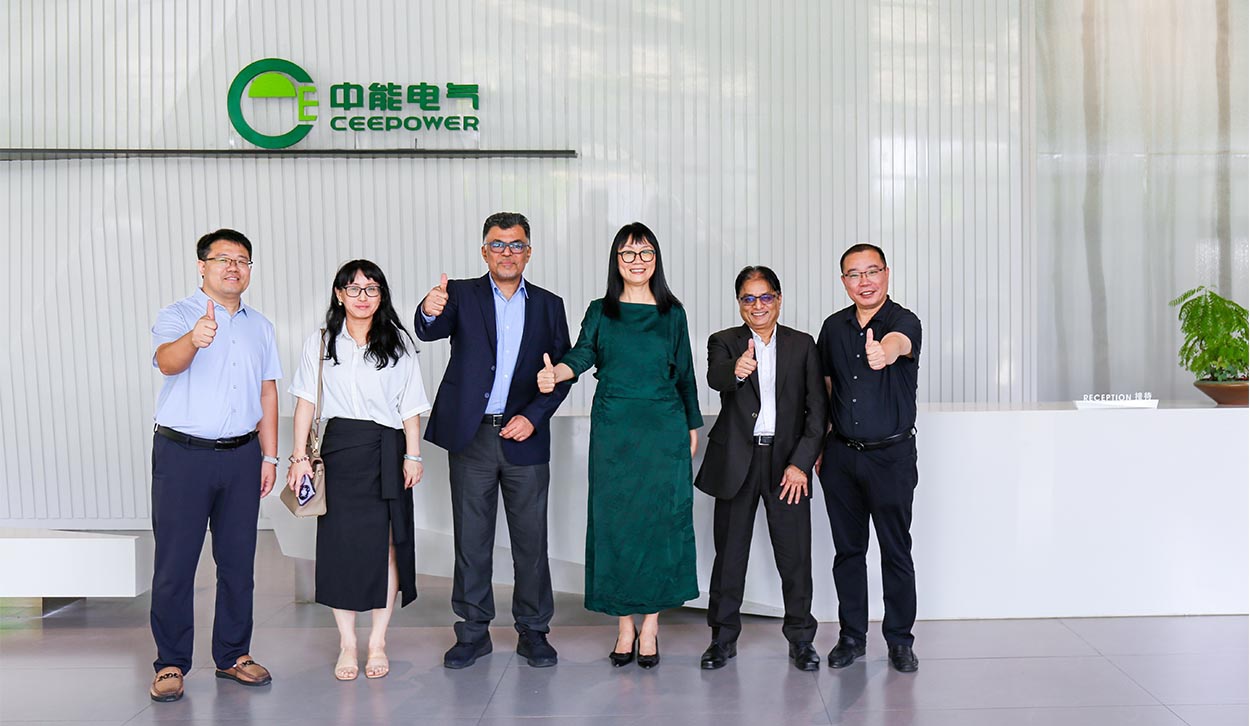
On July 28, 2024, Ceepower and MEMF Electrical Industries Co. (MEMF) signed a strategic cooperation agreement at Ceepower’s headquarters in Fuzhou. The ceremony was attended by Ceepower President, Ms. Chen Manhong, and MEMF's Executive Vice President, Mr. Ahmed A. Al-Mohaimeed, along with other senior leaders from both companies. This partnership marks a significant step in enhancing cooperation in the smart distribution and cable accessory sectors.


MEMF is a leading electrical equipment manufacturer in Saudi Arabia with over 25 years of experience in the GCC region. It has been a trusted partner of Ceepower since 2006, focusing on medium-voltage cable accessories. The new agreement deepens this long-standing collaboration, shifting from product supply to joint research and technological innovation, in line with Saudi Arabia’s Vision 2030 and its energy diversification goals.


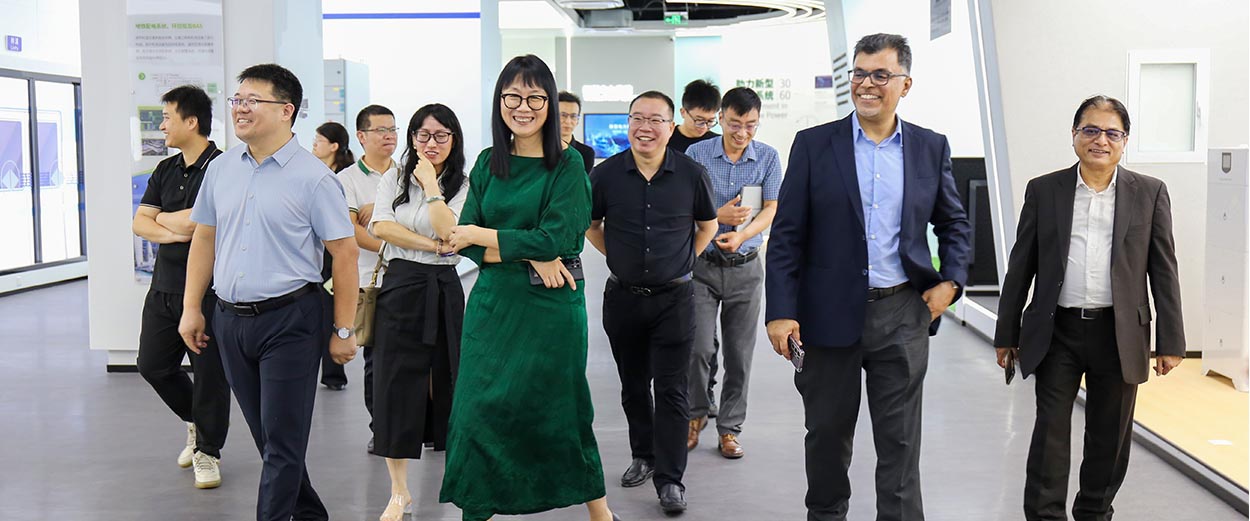
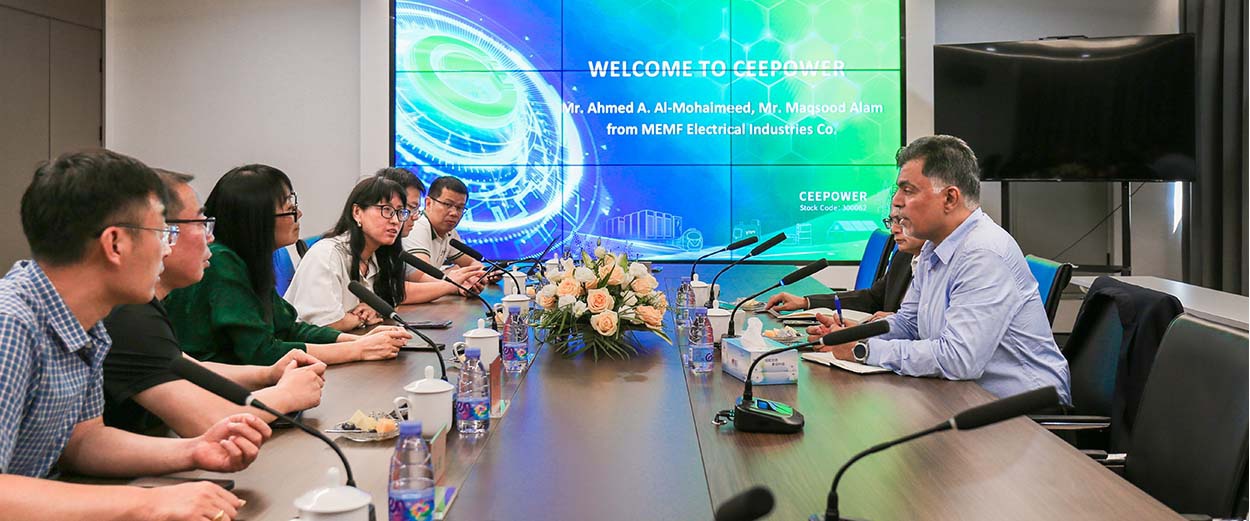
The two companies will focus on areas such as equipment supply, technical support, and supply chain optimization over the next five years. This partnership will help drive the region’s energy transformation and reinforce Ceepower’s growing international presence. During their visit to Ceepower’s production facilities, MEMF’s delegation was impressed by Ceepower’s innovations in smart electrical solutions and its focus on sustainable energy development.


This strategic agreement not only strengthens Ceepower’s footprint in the Middle East but also positions both companies to contribute significantly to the region’s energy transition, providing innovative solutions in line with global sustainability goals.